


This post may contain affiliate links. See our Privacy Policy.
Flour may seem like a simple ingredient, but the type you choose can make a big difference in a recipe’s texture and structure. Some flours create chewy breads and crisp pizza crusts, while others are better for soft cakes, tender biscuits, and delicate pastries.
This guide covers the most common types of flour, including all-purpose, bread, cake, pastry, whole wheat, and self-rising flour. You’ll also find notes on specialty flours, protein content, bleached and unbleached flour, and how to measure flour accurately.
I’ve also included a handy substitution guide, storage tips, and answers to a few common questions. Whether you bake often or just need a quick flour substitute, this guide will help you choose and use the right flour.

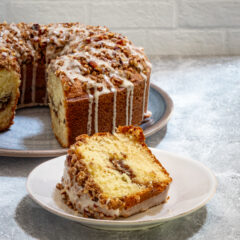


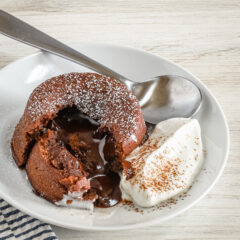
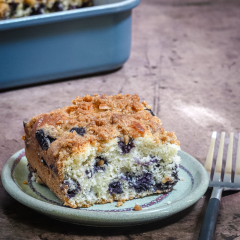

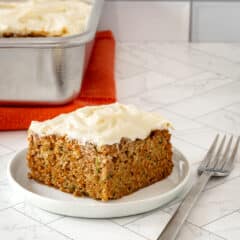




Types of Flour
- All-Purpose Flour: A versatile wheat flour suitable for cakes, cookies, muffins, quick breads, sauces, and many yeast breads. Protein content varies by brand.
- Bread Flour: Higher in protein than all-purpose flour, which helps produce more gluten, chew, and structure. Best for yeast breads, pizza dough, bagels, and other recipes where elasticity is important.
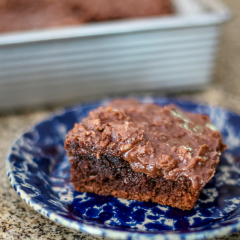
- Cake Flour: Finely milled and lower in protein, producing tender cakes with a softer crumb.
- Pastry Flour: Lower in protein than all-purpose flour but slightly stronger than cake flour. It works well in pie crusts, biscuits, scones, cookies, and other baked goods where tenderness is important.
- Self-Rising Flour: All-purpose flour blended with baking powder and salt. Biscuits, quick breads, pancakes, and some cakes may call for self-rising flour. Because the leavening is already included, it should not be substituted without adjusting the recipe.
- Whole Wheat Flour: Milled from the entire wheat kernel, including the bran and germ. It has a fuller flavor and absorbs more liquid than white flour. It can make baked goods denser unless the recipe is formulated for it.
- White Whole Wheat Flour: Whole-grain flour milled from hard white wheat rather than red wheat. It has a milder flavor and lighter color than traditional whole wheat flour.
Specialty Flours
- 00 flour: Very finely milled flour commonly used for pizza and pasta; protein level varies by brand.
- Semolina flour: Coarse durum wheat flour used for pasta, some breads, and dusting pizza peels.
- Rye flour: Adds earthy flavor and has less gluten-forming ability than wheat flour.
- Oat flour: Mild and slightly sweet, but gluten-free only when certified.
- Almond flour: Moist, rich, and gluten-free, but not a direct substitute for wheat flour.
- Coconut flour: Highly absorbent and requires recipes specifically formulated for it.
- Gluten-free flour blends: Designed to replace wheat flour, though results depend on the blend and whether it contains xanthan gum.











Protein Content and Why It Matters
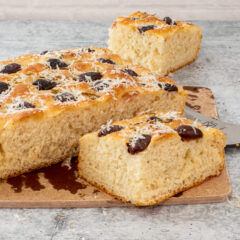
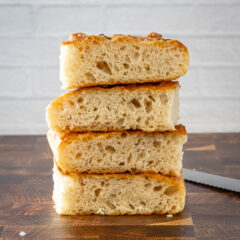
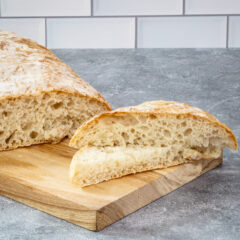
Think of the protein in flour as the “muscle” in your baked goods. When flour is mixed with liquid, two of its proteins combine to form gluten, the elastic network that gives dough strength and structure. The higher the protein percentage, the more gluten the flour can develop. The higher gluten is exactly what you want for chewy, crusty breads that need to hold a good rise.
Lower-protein flour develops less gluten, creating a softer, more delicate texture. Choosing the right flour is largely about choosing the texture you want: higher protein for hearty, structured breads, and lower protein for tender cakes, pastries, and biscuits.
Bleached vs. Unbleached
Bleached and unbleached flour can usually be used interchangeably, but there are a few differences to keep in mind. Bleached flour is treated with agents that accelerate the natural aging process, making it whiter and finer in texture. The finer flour produces a more tender, delicate crumb. It’s an excellent choice for cakes, cookies, and biscuits where you want lightness.
Unbleached flour ages naturally over time and has a slightly denser texture and off-white color. It is a versatile choice for everyday baking and works especially well in breads, pizza dough, muffins, and other recipes where a little more structure is helpful.
For most home recipes, the difference is subtle, so use the type called for when possible, but don’t worry too much if you need to substitute one for the other.
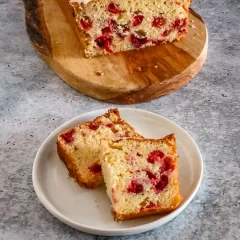
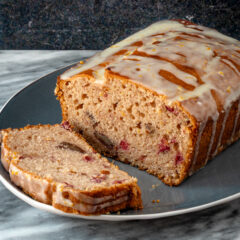
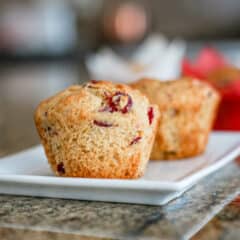
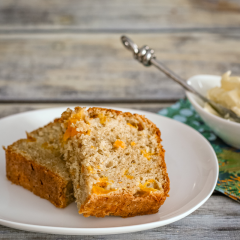
Quick Breads and Muffins











How to Store Flour
Keep flour in an airtight container in a cool, dry place away from heat, moisture, and strong odors. All-purpose, bread, cake, and pastry flours can usually be kept in the pantry. Transferring them from the paper bag to a sealed container helps protect them from humidity and pests.
Whole wheat flour, rye flour, and other whole-grain flours contain more natural oils, so they can become rancid more quickly. For longer keeping, refrigerate or freeze them in tightly sealed containers. Nut flours, such as almond flour, are best refrigerated or frozen.
Frequently Asked Questions
Flour Substitution Guide
Instructions
- To substitute all-purpose for self-rising flour: Add 1 teaspoon of baking powder and 1/4 teaspoon of fine salt to each cup of all-purpose flour.
- To substitute self-rising for all-purpose flour: Decrease baking powder by 1 teaspoon for each cup of flour, and decrease the salt by 1/4 teaspoon for each cup.
- To substitute all-purpose flour for bread flour: Add 1 tablespoon more all-purpose flour for each 1 cup of bread flour called for in a recipe.
- To substitute bread flour for all-purpose: Decrease bread flour by 1 tablespoon for each 1 cup of all-purpose flour called for in a recipe.
- To substitute all-purpose for cake or pastry flour: Decrease all-purpose flour by 1 tablespoon for each 1 cup of cake or pastry flour called for in a recipe.
- To substitute cake or pastry flour for all-purpose flour: Increase cake or pastry flour by 1 tablespoon for each 1 cup of all-purpose flour called for in a recipe.
How to Measure All-Purpose Flour
Instructions
- Stir or whisk the flour in its container to loosen it.
- Spoon the flour lightly into a dry measuring cup. Do not shake the cup or pack the flour down.
- Fill the cup until the flour is slightly mounded above the rim.
- Sweep a straight-edged knife or spatula across the top to level the flour.
- For the most accurate measurement, weigh the flour. One cup of all-purpose flour measured with the spoon-and-level method weighs about 4.5 ounces or 128 grams.
Measuring Other Types of Flour
- Cake flour: Use the spoon-and-level method, but follow the weight listed in the recipe when possible. Cake flour is lighter than all-purpose flour, so one cup generally weighs less.
- Bread flour: Measure it with the same spoon-and-level method. Bread flour is often close in weight to all-purpose flour, though the exact weight can vary by brand.
- Whole wheat flour: Use the spoon-and-level method, or weigh it for the most accurate result. One cup generally weighs about 4 ounces (113 grams), slightly less than a cup of all-purpose flour.
