

This post may contain affiliate links. See our Privacy Policy.
Cooking pasta is simple, but a few small details can make a big difference. Using enough water, salting it properly, stirring at the right time, and testing before the package time is up all help produce pasta that is tender, evenly cooked, and ready to hold onto the sauce.
This guide covers the basic method for dried pasta, along with helpful notes for fresh and filled pasta. You’ll also learn when to save some of the cooking water, when rinsing is appropriate, and how to tell when the pasta is truly al dente. Once you know the basic technique, you can use it for everything from spaghetti and penne to ravioli and pasta salads.
Why the Amount of Water Matters
You might wonder why recipes often call for such a large pot of water. It comes down to two factors: temperature and starch.
- Temperature Stability: When you drop a pound of pasta into boiling water, the temperature drops instantly. Using at least 5 quarts of water ensures the pot returns to a boil quickly, which is crucial for preventing the pasta from sitting in warm water and becoming gummy.
- Diluting the Starch: As pasta cooks, it releases starch into the water. If you use too little water, that starch becomes too concentrated, creating a thick, gluey film around the pasta. A large volume of water keeps the starch diluted, ensuring your pasta comes out clean and separated rather than clumped.
- The Rule of Thumb: 1 pound of pasta to 5 quarts of boiling water is the standard. That amount of water allows the pasta to move freely as it cooks.
How Much Salt?
The target ratio for 5 quarts of water and 1 pound of pasta is about 1 to 1 1/2 tablespoons of kosher salt. For an 8-ounce batch of pasta, scale it down to 3 quarts of water and 3/4 to 1 tablespoon of kosher salt. While it shouldn’t taste as strong as ocean water, you should be able to taste the salt. Taste the water before you drop the pasta.
- Adjust for Your Sauce: If your final dish features salty components—such as anchovies, capers, pancetta, olives, or generous amounts of salty cheese—use about 1/3 less salt in your water. Since these ingredients are often added at the end, dialing back the salt in the pasta water helps keep the dish balanced.
How to Tell When the Pasta Is Done
- Follow the Instructions, But Test Early: Start testing the pasta about 1 to 2 minutes before the time suggested on the package.
- Look for “al dente”: The phrase literally means “to the tooth.” It should be firm enough to give a slight resistance when you bite it. Use a slotted spoon to remove a few strands or pieces to a plate. Let it cool for a few seconds, then taste.
- Filled Pasta: For filled pasta, such as tortellini or ravioli, look for them to begin to rise to the surface. This is when you should start testing. Scoop one out with a slotted spoon and taste. They typically need about 30 to 60 seconds after they float.
Should Pasta Be Rinsed?
Maybe your mother or grandmother rinsed their pasta, but it should almost never be rinsed. When you rinse pasta, you wash away the starch that helps the sauce cling to it. The sauce will slide right off the noodles if you rinse.
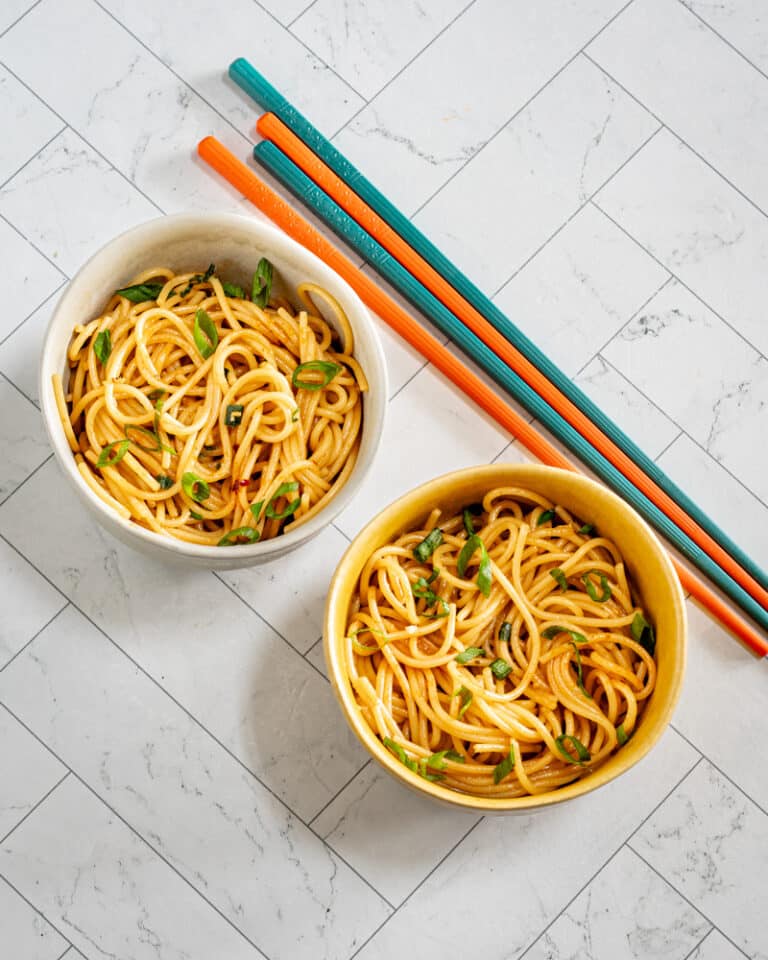
- The Exception: The only time you should rinse pasta is when making a cold pasta dish, such as a salad or cold noodles. Rinsing the pasta with cold water removes surface starch and keeps it from being sticky or gummy as it cools.
Why Save Pasta Water
You should get in the habit of saving at least a cup of pasta water before draining the pot. Even if a recipe doesn’t explicitly call for it, a splash of this cloudy, starchy, salty liquid is a professional secret for elevating almost any sauce.
- It’s an Emulsifier: The starch in the water acts as a bridge between the fat (oil, butter, or cheese) and the pasta, helping your sauce coat the noodles smoothly rather than sliding off.
- It Adjusts the Sauce Consistency: If your sauce looks too thick or tight once the pasta is added, a little pasta water instantly loosens it, giving it a glossy, restaurant-quality finish.
- It Adds Flavor: Because you have seasoned the water well, this liquid is essentially a concentrated “flavor stock.” Adding it back into your dish ensures the entire meal remains perfectly seasoned from start to finish.
How to Cook Pasta
PrintWhat You’ll Need
- Water
- Salt
- Pasta
Instructions
- Fill a large pot with water, more than enough to cover the pasta. For one pound of pasta, use about 5 quarts of water. If you use too little water, you could end up with starchy, gluey pasta.
- Bring the water to a rolling boil over high heat, then add about 1 teaspoon of salt per quart of water.
- Add the pasta to the boiling water and stir well to keep it from clumping or sticking to the bottom of the pan. Don't add oil, as it can prevent sauces from clinging to the pasta.
- Give the pasta a quick stir every few minutes to keep it from sticking together.
- Using a slotted spoon, remove a few pieces of pasta to a plate and taste it for doneness. It should still be slightly chewy, neither too soft nor too firm.
- Drain the pasta. Avoid rinsing the pasta unless you want to wash off the starch or cool it with cold water, such as for a salad.