Chewy Sugar Cookies
These chewy sugar cookies are soft and tender with a crisp sugar coating. An easy, classic recipe that’s perfect for holidays, parties, or anytime you need a quick homemade treat.

This post may contain affiliate links. See our Privacy Policy.
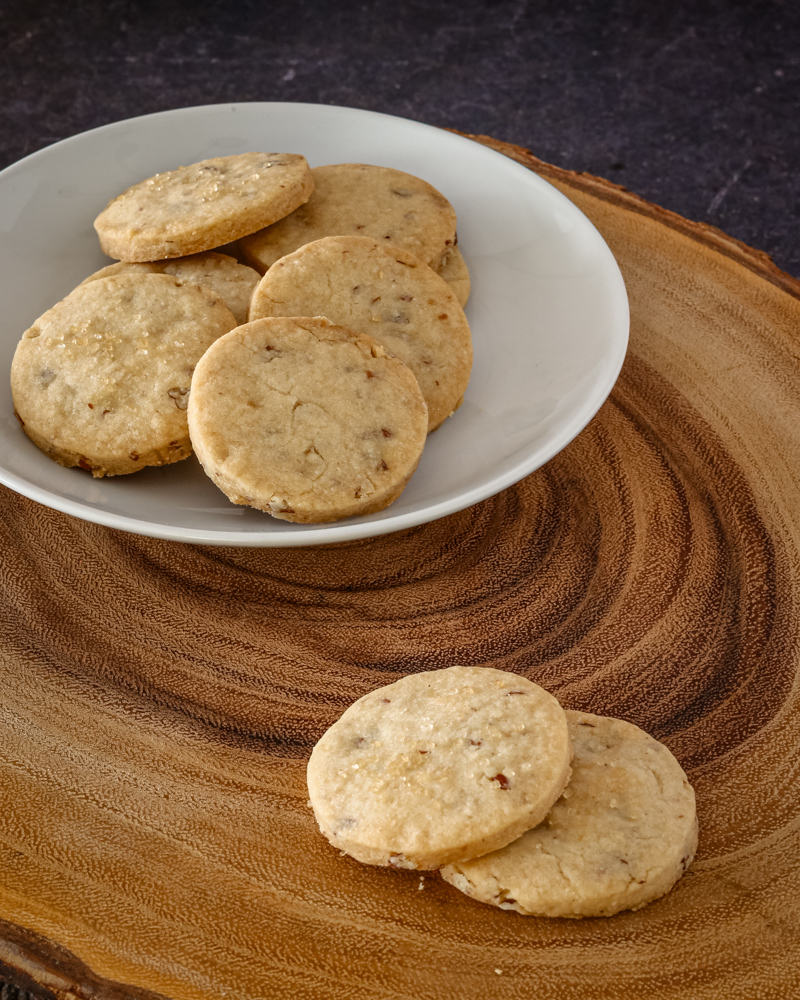
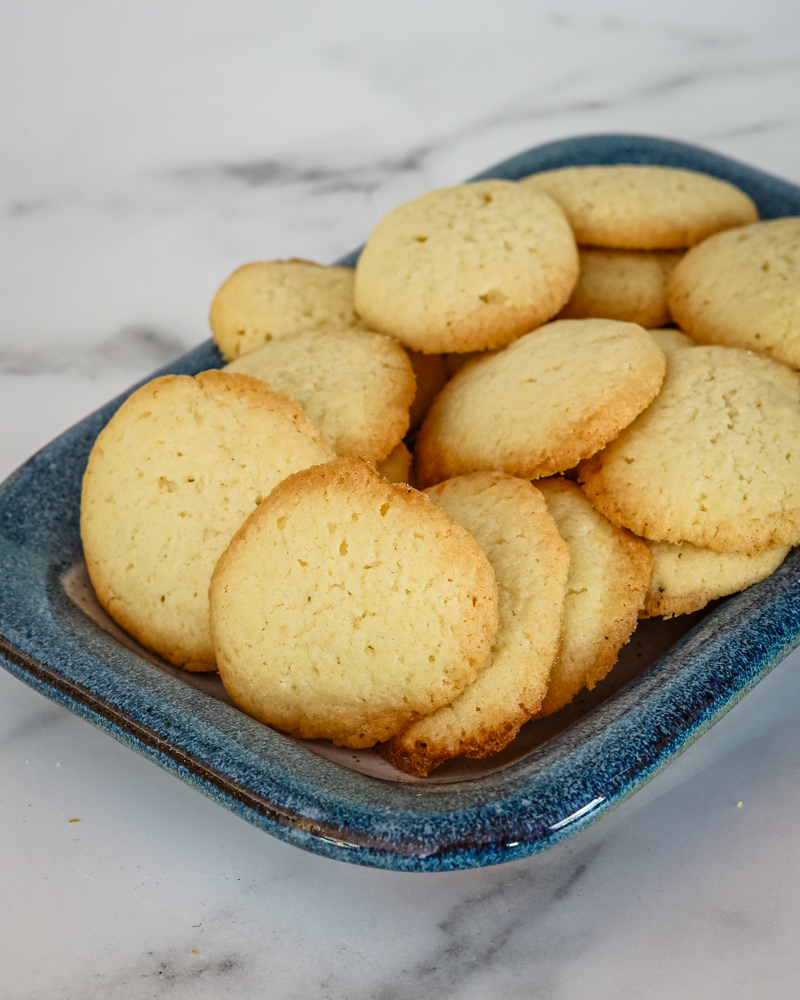
These chewy sugar cookies are wonderfully simple, nostalgic, and perfectly sweet. Soft centers, lightly crisp edges, and that classic sugar-coated exterior make them ideal for holiday baking or everyday cookie cravings. They come together quickly with basic pantry ingredients and bake into the kind of cookie everyone reaches for first.
Whether you use regular granulated sugar or sparkling sugar for rolling, the result is a batch of beautifully crackled, chewy cookies with a tender bite.
What You’ll Like About These Cookies
Chewy texture. Soft centers with lightly crisp edges make them irresistible.
Simple ingredients. Just butter, sugar, flour, and vanilla—classic and reliable.
Great for gifting. These cookies stay soft and pack well.
Customizable. Perfect with sparkling sugar, brown sugar, or festive colored sugars.
Ingredient Notes
- Butter: Softened butter creates a tender, chewy cookie.
- Granulated sugar: Used in the dough and for rolling; adds sweetness and sparkle.
- Egg: Provides structure and moisture.
- Vanilla extract: Adds warm, classic cookie flavor.
- Flour: Regular all-purpose flour gives the right texture.
- Baking powder: Provides lift without making the cookies cakey.
- Salt: Balances the sweetness.
Steps to Make Chewy Sugar Cookies
- Preheat the oven and line baking sheets with parchment paper.
- Cream the butter and sugar until light and fluffy.
- Add the egg and vanilla and mix well.
- Whisk the flour, baking powder, and salt; add to the creamed mixture.
- Roll the dough into balls and coat in sugar.
- Flatten slightly and bake until lightly browned on the bottoms.
Pro Tips
For the best chewy texture, gently flatten the sugar-coated dough balls before baking. This encourages even spreading and helps create that signature soft center.
Recipe Variations
- Cinnamon-sugar cookies. Roll in cinnamon sugar for a snickerdoodle-style twist.
- Sparkling sugar cookies. Use coarse or colored sugar for a festive look.
- Almond variation. Swap some of the vanilla for almond extract.
- Brown sugar version. Roll in light brown sugar for caramel-like flavor.
- Lemon sugar cookies. Add lemon zest to the dough and roll in lemon-sugar.
Serving Suggestions
- Serve with coffee, tea, or cold milk.
- Pair with ice cream for simple cookie sandwiches.
- Add to holiday cookie platters for color and texture variety.
- Choose to sprinkle extra sugar on top right after baking for sparkle.
- Make ice cream sandwiches.
How to Store Chewy Sugar Cookies
Refrigerate: Not necessary. Store at room temperature for up to 5 days.
Freeze: Freeze baked cookies or unbaked dough balls for up to 3 months.
Refresh: If cookies soften over time, place them briefly in a 300°F oven to revive edges.

Chewy Sugar Cookies
Ingredients
- 1 cup butter, softened
- 1 ½ cups granulated sugar, plus more for rolling
- 1 large egg
- 1 teaspoon vanilla extract
- 2 ¼ cups flour
- ¼ teaspoon baking powder
- ½ teaspoon salt
Instructions
- Prepare the Oven and Pan: Position a rack in the center of the oven and preheat to 350°F. Line baking sheets with parchment paper.
- Make the Cookie Dough: In a mixing bowl with an electric mixer, beat the granulated sugar with the butter until light and fluffy. Add the egg and vanilla; blend until well combined. In another bowl, combine the flour, baking powder, and salt. Stir to blend. With the mixer on low speed, mix the dry ingredients into the creamed mixture.
- Shape: Scoop portions of dough and gently roll them into smooth, even balls. Coat in extra sugar—regular granulated sugar, sparkling sugar, or pourable brown sugar all work well.
- Bake: Arrange the cookie dough balls on the baking sheets, spacing them about 2 1/2 inches apart. Bake for 12 to 14 minutes, or until the bottoms have lightly browned.
Nutrition
Disclaimer:
Our nutritional information is based on a third-party application that analyzes the ingredients list to determine the values. The information is meant to be helpful, but should be considered an estimate. Values may differ depending on measurements, brands, serving variations, and database availability.