
This post may contain affiliate links. See our Privacy Policy.
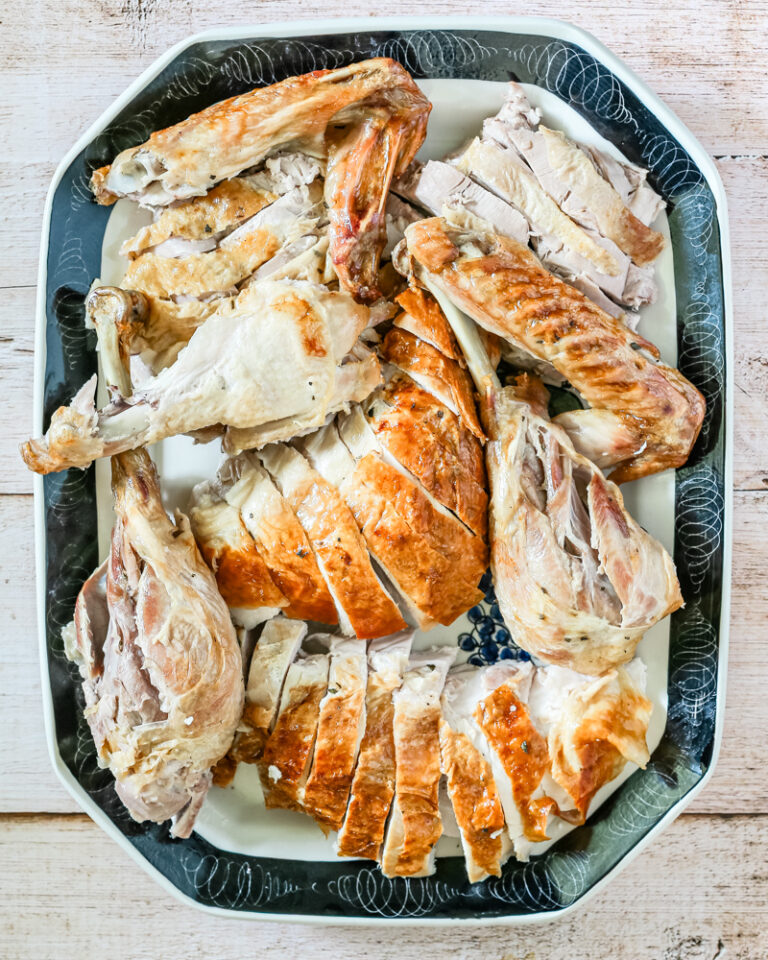
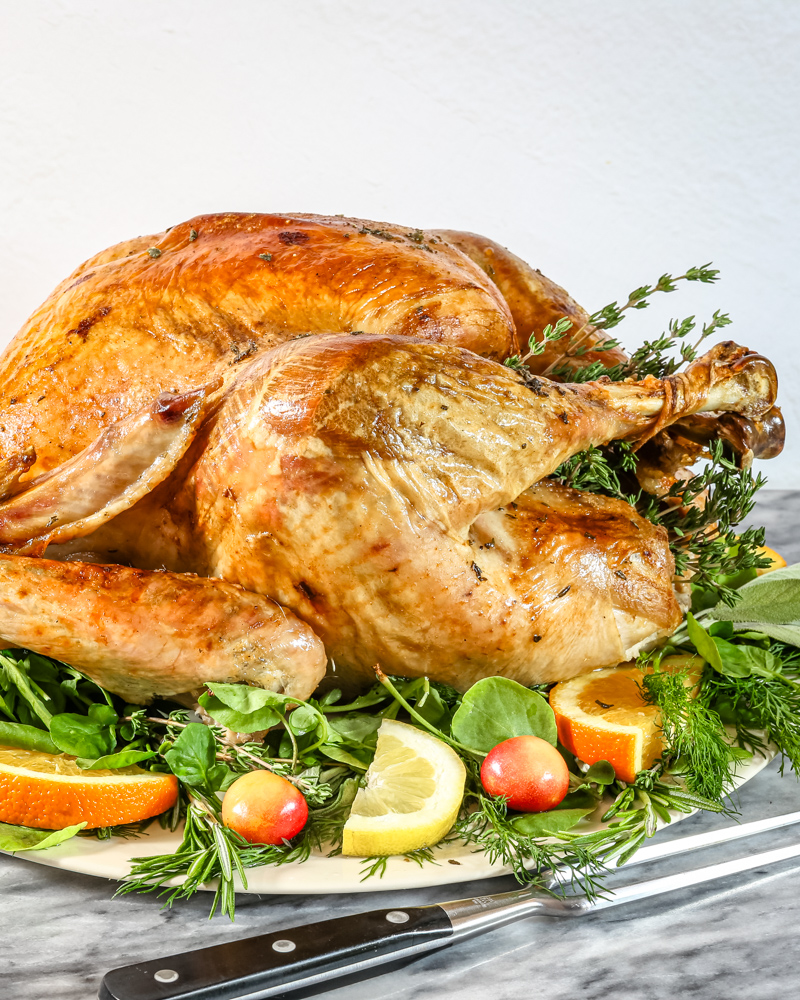
A perfectly roasted turkey doesn’t have to be complicated, and this fuss-free method proves it. With simple seasoning, a little butter under the skin, and steady oven heat, the turkey comes out beautifully browned and tender every time. There’s no brining, no constant basting, and no complicated steps—just reliable, delicious results.
This recipe also includes an easy homemade gravy, made right from the buttery pan drippings. Whether it’s Thanksgiving or a Sunday celebration, this straightforward approach keeps the stress low while delivering an impressive, crowd-pleasing main dish.
What You’ll Like About This Dish
Just the basics. Classic pantry herbs and butter keep the process simple and flavorful.
No fuss needed. No brining or fancy prep—just season, roast, and relax.
Golden, tender turkey. Even roasting and gentle heat produce juicy meat and crisp skin.
Homemade gravy included. Easy drippings-based gravy adds rich flavor to every serving.
Ingredient Notes
- Whole turkey – A 16–18 lb bird is ideal for this method and yields plenty for a crowd.
- Butter – Divided for rubbing under the skin and drizzling on top.
- Herb and spice blend – Rosemary, oregano, garlic powder, onion powder, and black pepper make a simple all-purpose seasoning.
- Fresh herbs – Optional but great for aroma when added to the cavity.
- Flour – Forms the base of the gravy when cooked with butter or drippings.
- Turkey or chicken stock – Use store-bought or homemade (including giblet broth).
Steps to Make Easy, Fuss-Free Roast Turkey
- Position the oven rack low and preheat the oven.
- Set the turkey on a roasting rack and remove the giblets.
- Loosen the skin and spread butter underneath.
- Season the turkey thoroughly inside and out.
- Drizzle melted butter over the top.
- Roast the turkey until golden, untie the legs, and continue roasting.
- Cook until the thickest part of the thigh reaches at least 165°F.
- Tent with foil if the skin browns too quickly.
- Make the gravy by whisking flour into melted butter or drippings, then adding stock and simmering until thickened.
Tips
- Use a thermometer. It’s the most reliable way to ensure safe internal temperature.
- Dry the skin well. Moisture prevents browning—pat thoroughly before seasoning.
- Keep the butter cold. Cold butter spreads more easily under the skin without tearing it.
- Let it rest. Rest the turkey for at least 20–30 minutes before carving so the juices redistribute.
- Save the drippings. They add depth and rich flavor to the gravy.
Recipe Variations
- Citrus-herb turkey. Add lemon or orange wedges and fresh herbs to the cavity.
- Garlic-lover’s version. Rub garlic butter under the skin for extra flavor.
- Smoky seasoning. Add smoked paprika to the spice mixture.
- Butter-and-oil blend. Combine butter with olive oil for enhanced browning.
- Herb butter crust. Mix softened butter with herbs and spread over the entire turkey before roasting.
Serving Suggestions
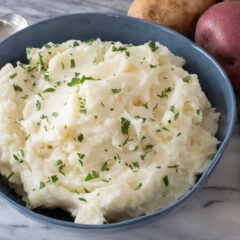
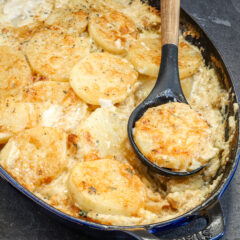
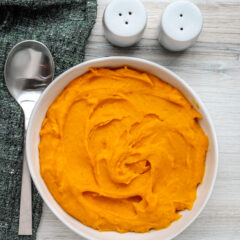
- Serve with classic mashed potatoes and homemade gravy.
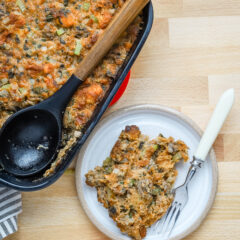
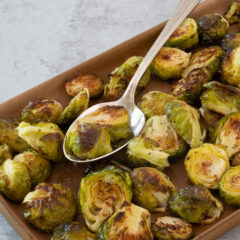
- Pair with dressing, green beans, or roasted root vegetables.
- Add cranberry sauce for a traditional holiday plate.
- Garnish with fresh herbs for a beautiful presentation.
How to Store (and Reheat)
Refrigerate leftover turkey in airtight containers for up to 4 days. Carve the turkey before storing for easier reheating and serving.
To freeze, wrap slices tightly in freezer bags or containers for up to 3 months. Freeze gravy separately in small portions for convenience.
Reheat gently in a covered dish with a splash of broth in a 300°F oven until warmed through. Avoid high heat, which can dry out the meat.

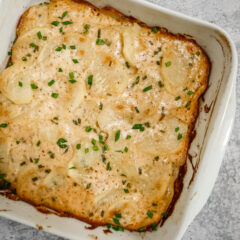
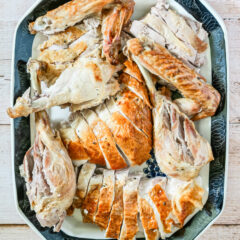
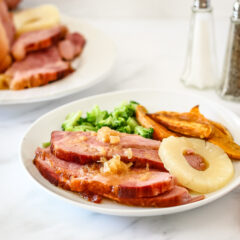
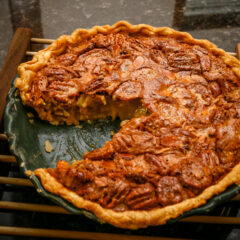
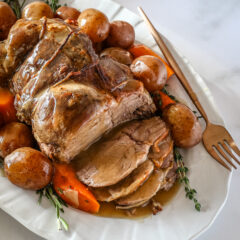

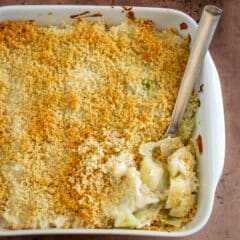

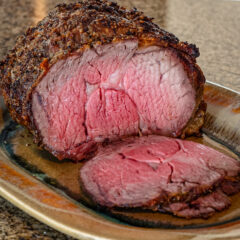
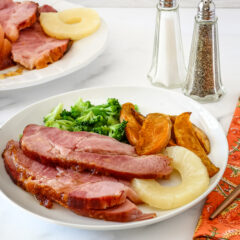


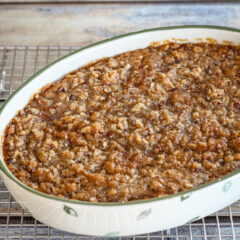
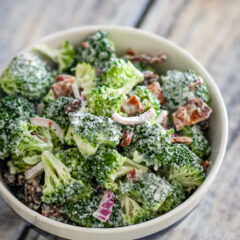
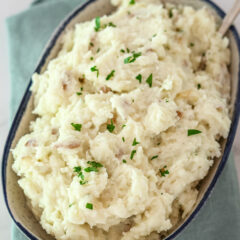
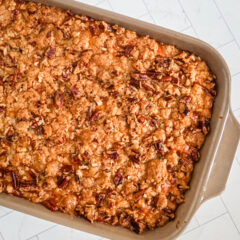
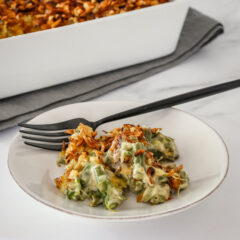
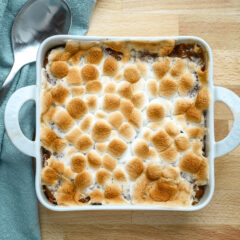
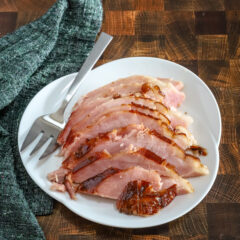
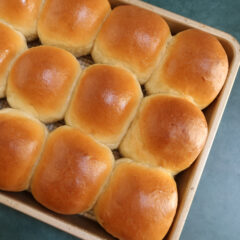
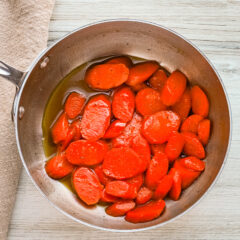


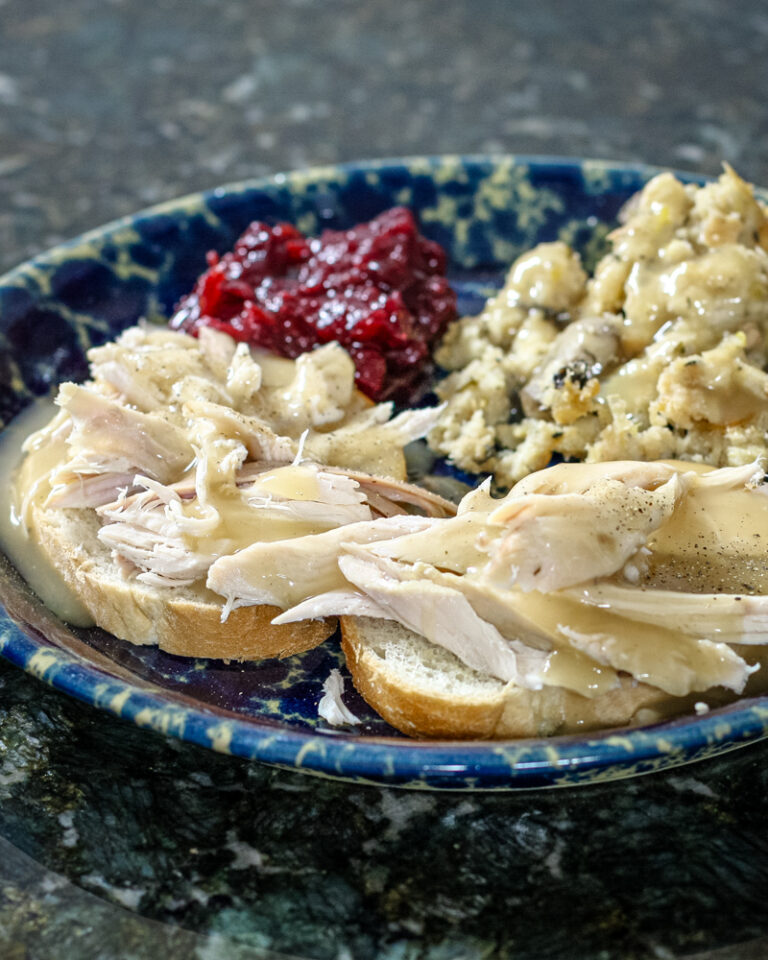
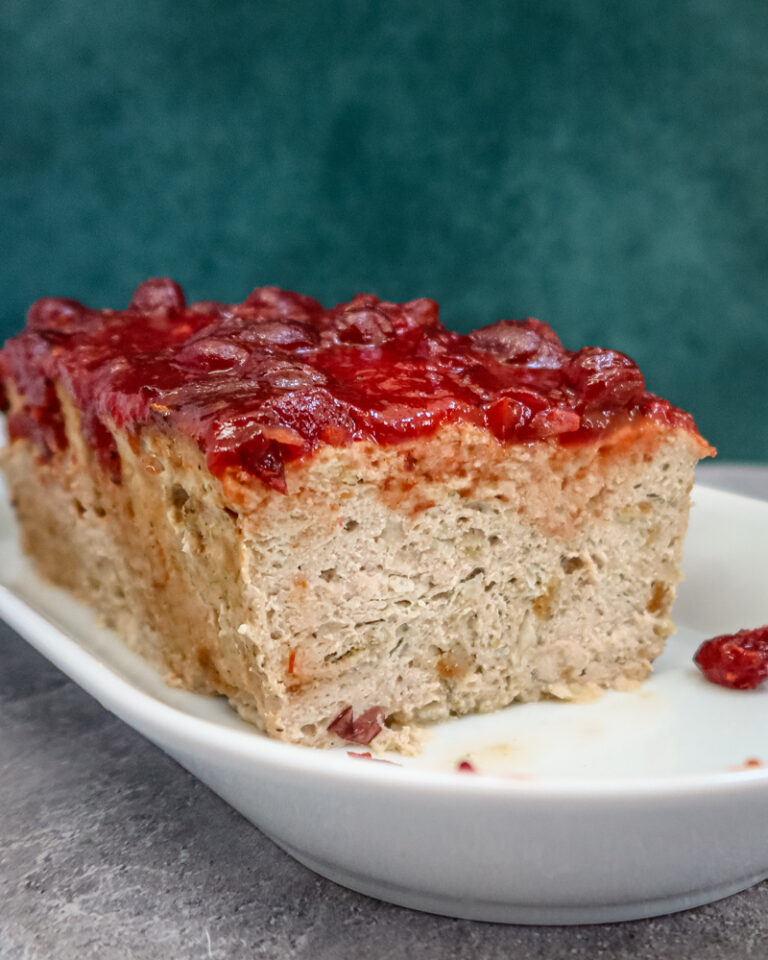
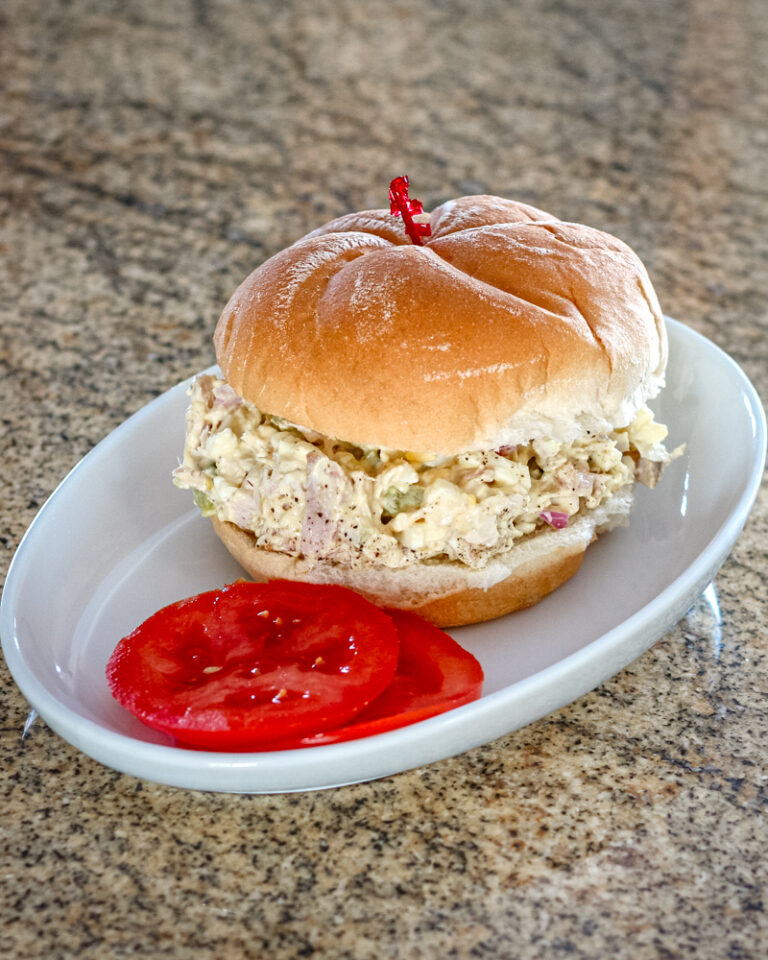
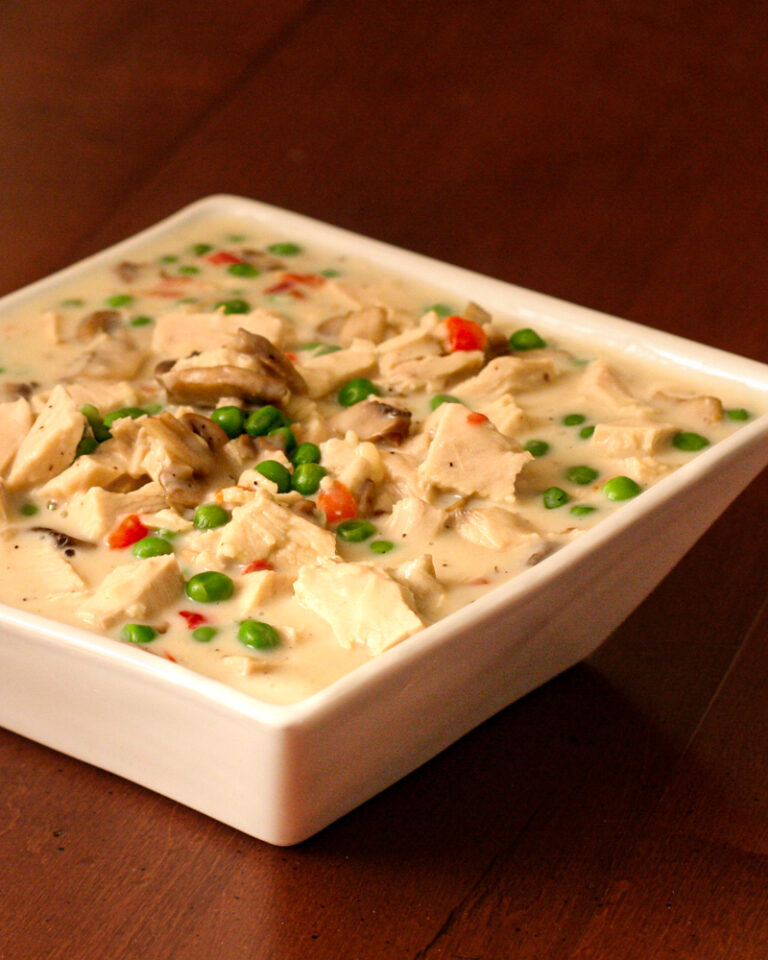
If you have leftovers, use them to make this tasty turkey and rice casserole or a simple after-the-holiday hot turkey sandwich. Leftover turkey makes excellent salad, too, like this curried turkey salad with pineapple and grapes.
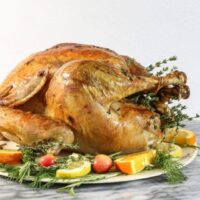
Easy, Fuss-Free Roast Turkey
Ingredients
- 1 whole turkey, about 14 to 18 pounds
- 6 tbsp butter, divided
- 1 ½ tsp kosher salt
- 1 tsp dried crushed rosemary
- 1 tsp dried oregano
- 1 tsp garlic powder
- ½ tsp onion powder
- ¼ tsp ground black pepper
- Fresh herbs (optional)
For the Gravy
- 4 tbsp unsalted butter or all or part drippings from the roasting pan
- ⅓ cup flour
- 4 cups turkey or chicken stock, unsalted or low sodium
- Salt and pepper, to taste
Recommended Equipment
Instructions
- Adjust the oven rack to the lowest position and preheat to 325 F (convection is great if possible). Place a rack in a roasting pan and set aside.
- Remove and discard the turkey giblets. Place the turkey on the rack in the roasting pan.1 whole turkey
- Loosen the skin over the turkey breast and spread 2 tablespoons of the butter under the skin. Tuck the wings under the turkey and tie the legs together if they are not already secured.2 tbsp butter
- Combine the kosher salt, rosemary, oregano, garlic powder, onion powder, and pepper; rub all over the turkey. If desired, add a handful of fresh herbs to the cavity.1 1/2 tsp kosher salt | 1 tsp dried crushed rosemary | 1 tsp dried oregano | 1 tsp garlic powder | 1/2 tsp onion powder | 1/4 tsp ground black pepper | Fresh herbs (optional)
- Melt 4 tablespoons of butter and drizzle over the turkey.4 tbsp butter
- Roast the turkey in the preheated oven for about 2 hours then untie the legs to expose the thighs to the heat. Continue roasting for 1 1/2 to 2 hours, until the temperature reaches at least 165 on an instant-read thermometer inserted into the thickest part of a thigh. Check for overbrowning and tent with foil if necessary.
- To make the gravy, pour pan drippings into a fat separator (or skim fat), then measure out what you’ll use for the gravy. Melt 4 tablespoons of butter in a medium saucepan. Whisk in the flour and cook, stirring, until golden, about 4 minutes. Slowly whisk in the turkey or chicken broth, then whisk in some or all of the reserved pan drippings. Simmer over low heat for 10 minutes until reduced slightly and thickened. Season with salt and pepper to taste.4 tbsp unsalted butter or all or part drippings from the roasting pan | 1/3 cup flour | 4 cups turkey or chicken stock | Salt and pepper
Nutrition
Disclaimer:
Our nutritional information is based on a third-party application that analyzes the ingredients list to determine the values. The information is meant to be helpful, but should be considered an estimate. Values may differ depending on measurements, brands, serving variations, and database availability.