
This post may contain affiliate links. See our Privacy Policy.
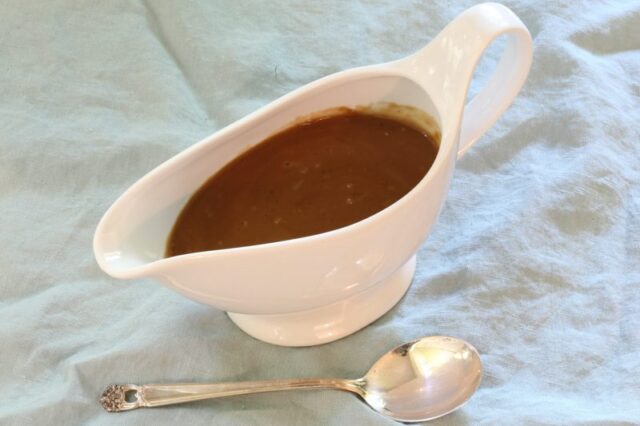
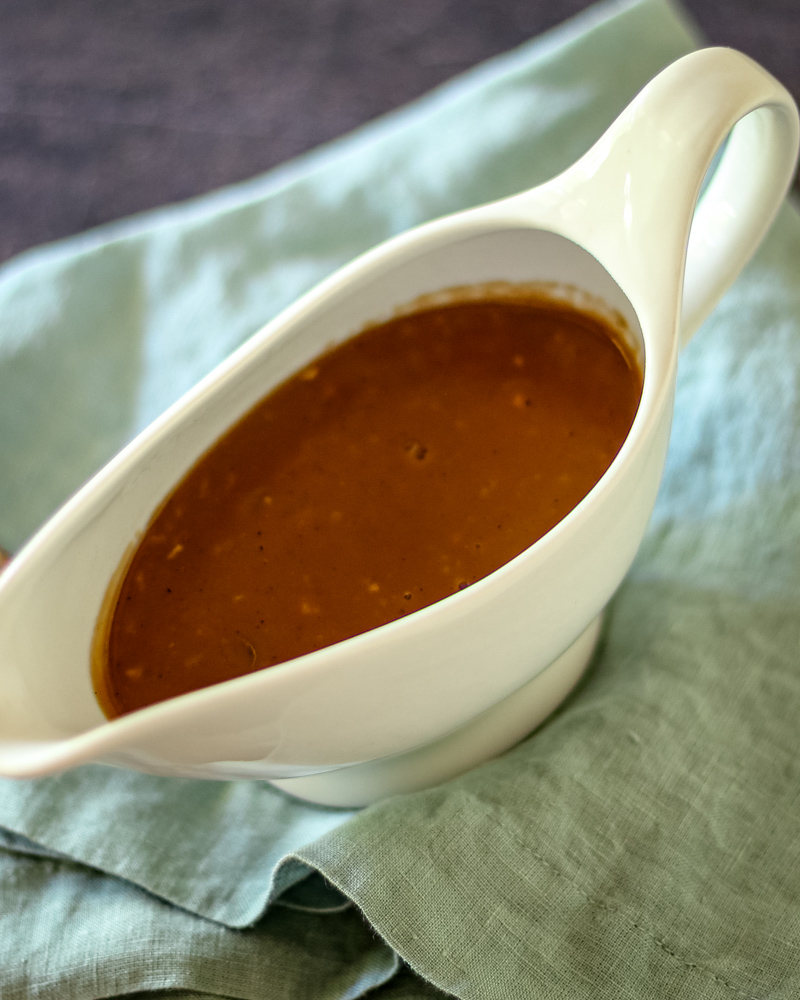
Marchand de Vin is a classic French red wine sauce known for its deep color and rich flavor. In traditional versions, it’s built on demi-glace and served with steaks or roasts for an elegant finish. This home-style version uses good beef broth and a quick reduction to create a sauce that’s still glossy and savory, but much easier to pull off in a regular kitchen.
This version is versatile—you can keep it simple or lean into a Louisiana-inspired variation with minced ham and mushrooms. It’s a great recipe to keep in your toolbox for elevating everything from grilled steak to roast beef or pot roast leftovers.
What You’ll Like About This Dish
Classic flavor. A true French restaurant-style wine reduction.
Easy to make. Straightforward steps with simple ingredients.
Versatile. Serve with beef, pork, lamb, or even mushrooms.
Adaptable. Add ham and mushrooms for a Cajun-Creole twist.
Ingredient Notes
- Shallot – Adds mild, refined onion flavor to the base.
- Garlic – Enhances depth and aroma.
- Butter + flour – Create the roux that thickens the sauce.
- Beef broth – Unsalted is best so you can control the seasoning.
- Dry red wine – Use something you enjoy drinking; Cabernet, Merlot, or Pinot Noir all work.
- Worcestershire sauce – Adds umami and balance.
- Bay leaf – Infuses subtle herbal notes.
Steps to Make Basic Marchand de Vin Sauce
- Mince the shallot and garlic.
- Cook them in butter until tender.
- Stir in the flour and cook to form a light roux.
- Add the broth, wine, Worcestershire, and bay leaf.
- Simmer slowly until thickened and concentrated.
- Season to taste before serving.
Tips
- Use a good-quality dry red wine for the best flavor.
- Simmer gently to avoid burning the roux or reducing too quickly.
- Strain the finished sauce if you prefer a smooth texture.
- Add sautéed mushrooms and diced ham for Louisiana-style Marchand de Vin.
Recipe Variations
- Louisiana-style version. Stir in minced ham and sautéed mushrooms before serving.
- Glossy finish. Whisk in a tablespoon of cold butter at the end for shine.
- Herb twist. Add a sprig of thyme during the simmer.
- Beefier flavor. Replace some of the broth with demi-glace if available.
Serving Suggestions
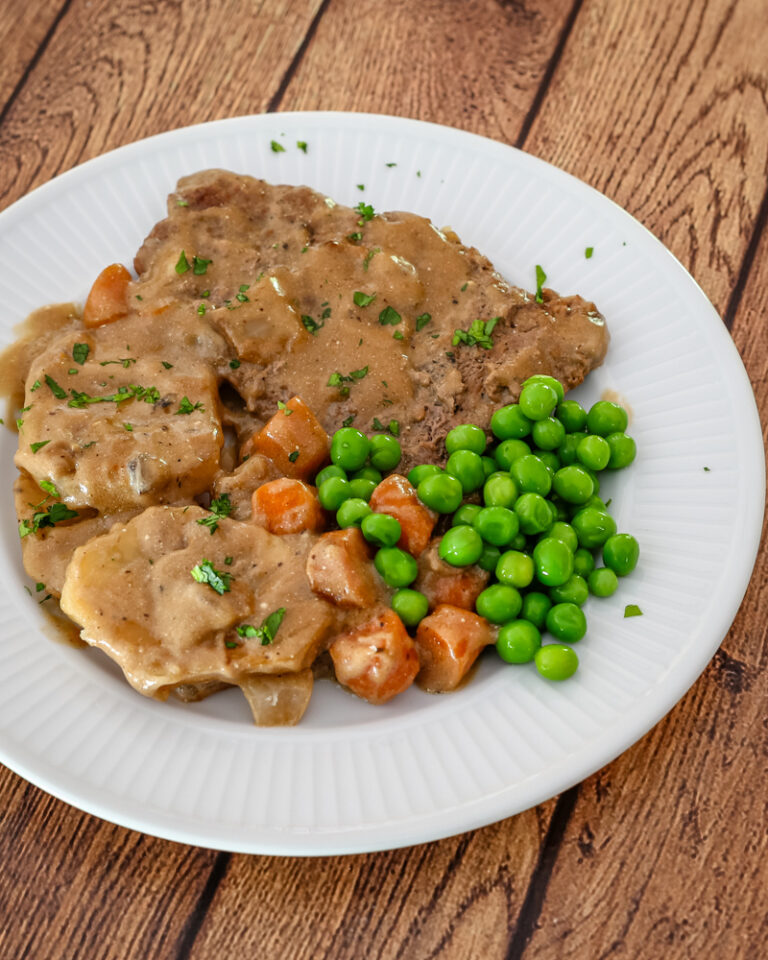
- Serve over grilled or pan-seared steaks.
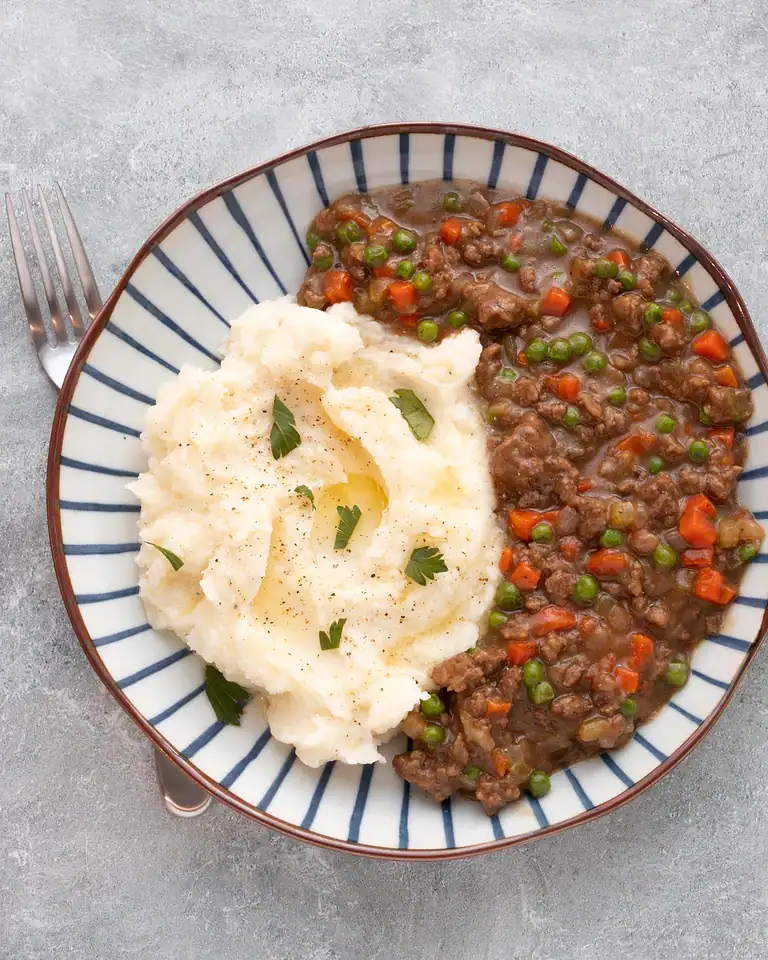
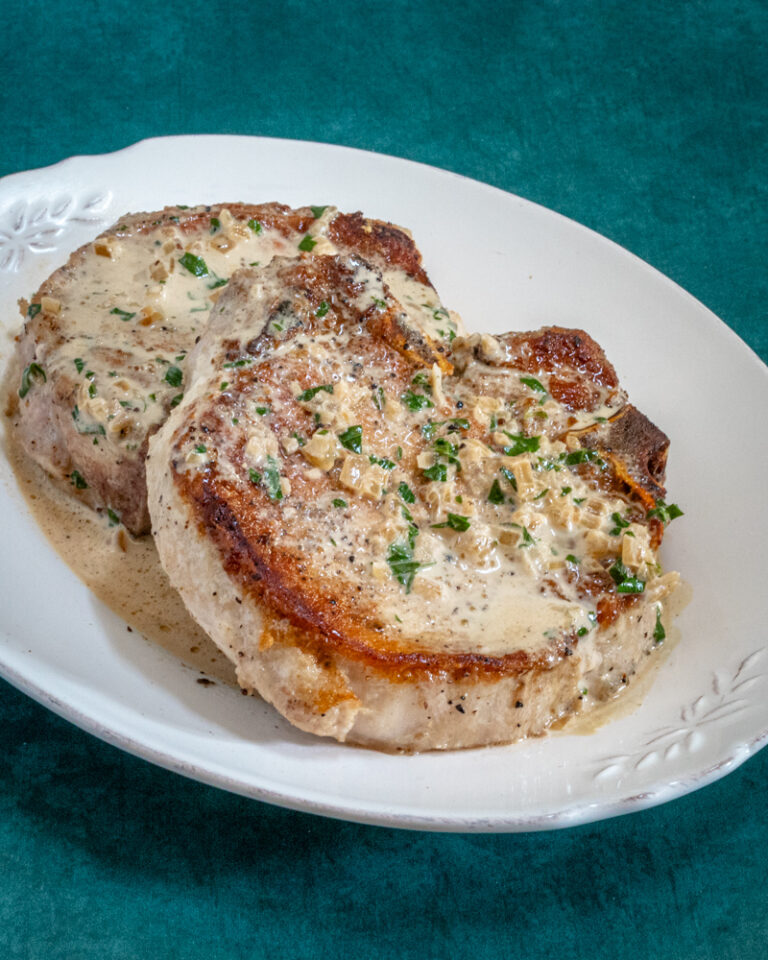
- Pair with roast beef, pork tenderloin, or lamb chops.
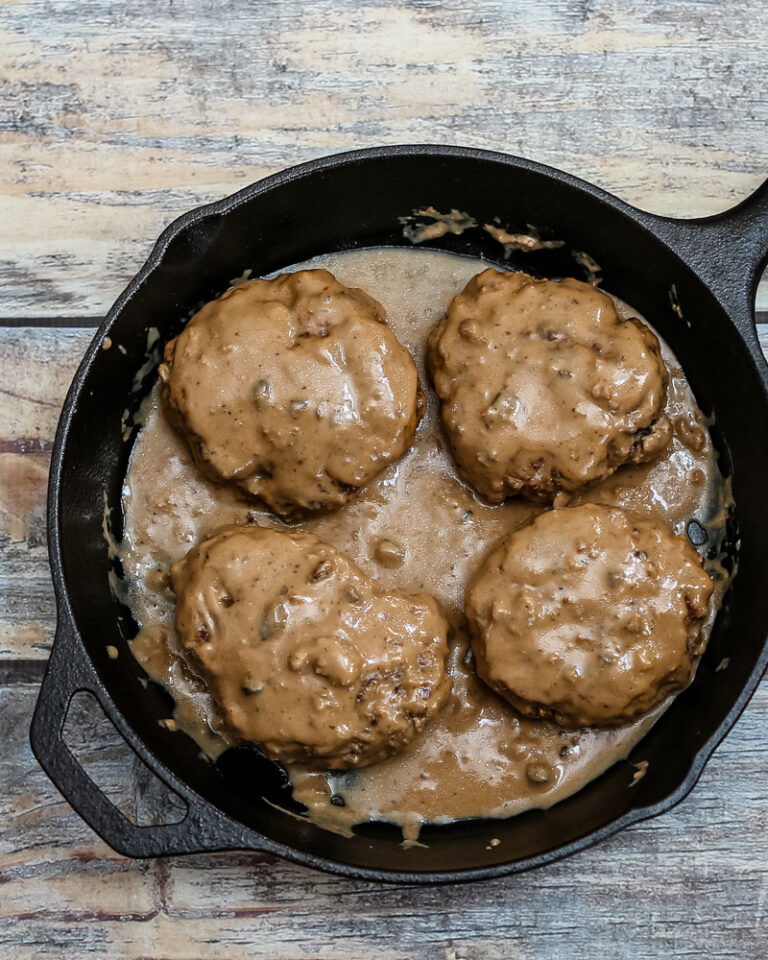
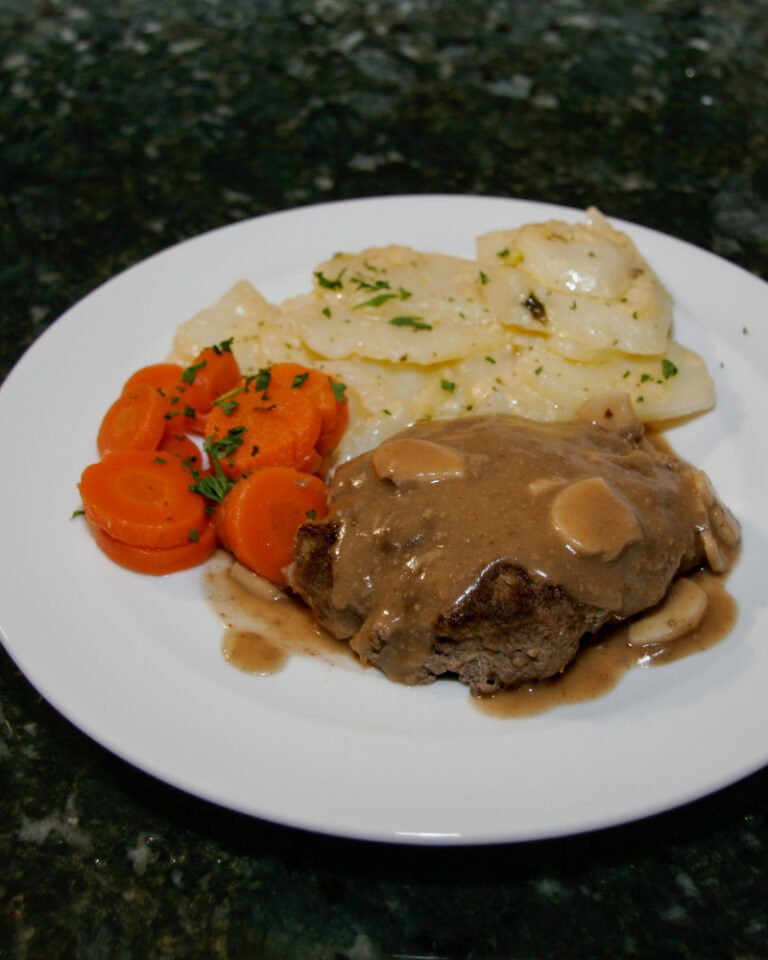
- Add to meatloaf or hamburger steaks for richness.
- Garnish with parsley or freshly cracked black pepper.
How to Store
Refrigerate: Store cooled sauce in an airtight container for up to 4 days.
Freeze: Freeze in small portions for up to 3 months. Thaw gently before reheating.
Reheat: Warm over low heat, whisking to restore smoothness. Add a splash of broth if too thick.
Basic Marchand de Vin Sauce
Ingredients
- 1 medium shallot
- 1 large garlic clove
- 4 tbsp butter
- 4 tbsp all-purpose flour
- 2 cups beef broth, unsalted or low sodium
- ½ cup dry red wine
- 2 tsp Worcestershire sauce
- 1 small bay leaf
- Kosher salt and freshly ground black pepper, to taste
Instructions
- Mince the shallot and garlic.1 medium shallot | 1 large garlic clove
- Melt the butter in a medium saucepan over medium-low heat; add the shallot and garlic and cook for about 5 minutes, or until the shallot is tender.4 tbsp butter
- Add the flour to the shallot mixture and continue to cook for 4 minutes, stirring frequently. Add the beef broth, wine, Worcestershire sauce, and bay leaf. Bring just to a gentle simmer (only an occasional bubble), then reduce to very low and cook until the flavors are concentrated, about 15–25 minutes, or until thick and reduced to your preferred consistency. Stir occasionally to prevent scorching.4 tbsp all-purpose flour | 2 cups beef broth | 1/2 cup dry red wine | 2 tsp Worcestershire sauce | 1 small bay leaf
- Discard the bay leaf and season with kosher salt and freshly ground black pepper.Kosher salt and freshly ground black pepper
Nutrition
Disclaimer:
Our nutritional information is based on a third-party application that analyzes the ingredients list to determine the values. The information is meant to be helpful, but should be considered an estimate. Values may differ depending on measurements, brands, serving variations, and database availability.