Roast Turkey With Fresh Sage
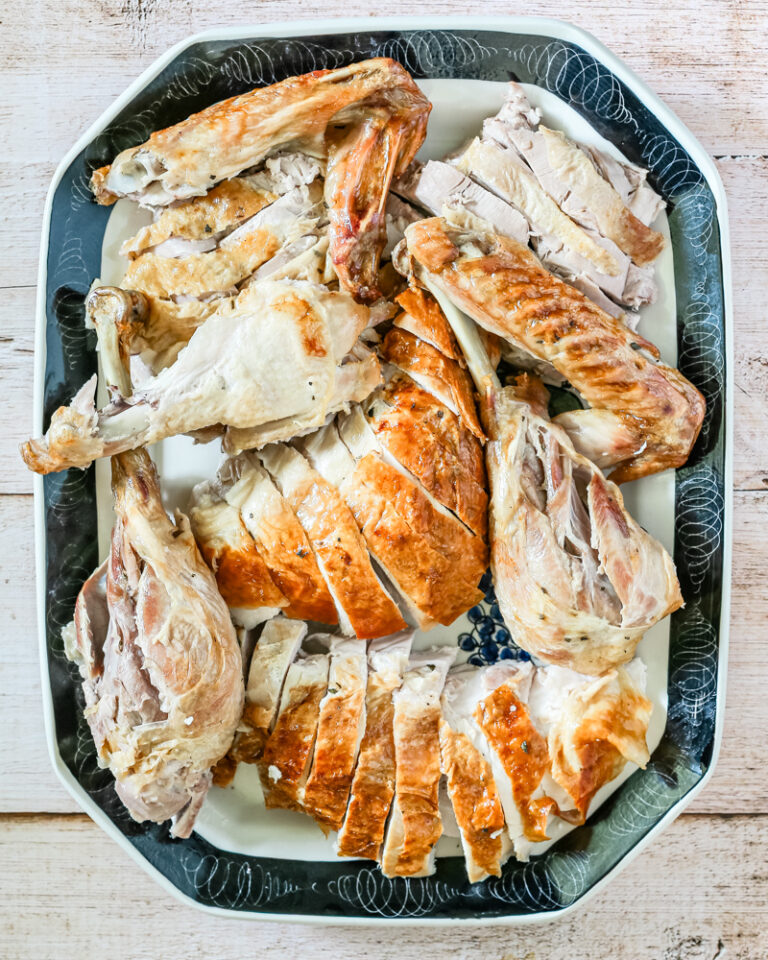
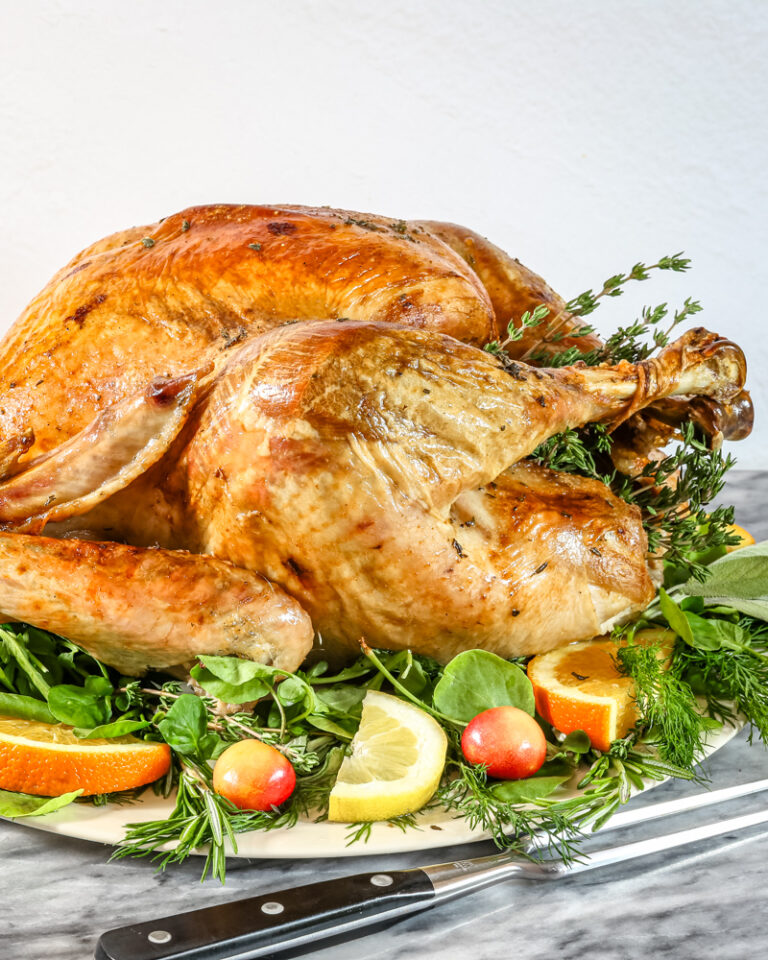
Fresh sage leaves are tucked under the skin of this turkey, making it look and taste delicious.

This post may contain affiliate links. See our Privacy Policy.
Roasting a turkey with fresh sage tucked under the skin adds both beauty and incredible aroma. As the turkey cooks, the sage infuses the meat with a delicate herbal flavor and perfumes the whole kitchen. It’s a simple technique that delivers big results, especially when you want a holiday centerpiece that feels classic but still a little special.
This method works well for Thanksgiving, Christmas, or any time you’re roasting a whole bird. With just a handful of ingredients—butter, sage, thyme, salt, pepper, and a bit of broth—you get a tender, flavorful turkey with beautifully golden skin. It’s dependable, straightforward, and always impressive at the table.
What You’ll Like About This Dish
Fresh sage aroma. Tucking whole leaves under the skin gently flavors the turkey without overpowering it.
Simple, classic seasoning. Butter, salt, pepper, sage, and thyme give reliable, well-balanced flavor.
Beautiful presentation. The sage leaves show through the skin for a rustic, festive look.
Perfect for holidays. Makes an impressive main dish for Thanksgiving or any special gathering.
Ingredient Notes
- Whole turkey – A 12–16 lb bird works well and cooks evenly.
- Butter – Helps brown the skin and adds rich flavor.
- Fresh sage leaves – Tucked under the skin for subtle, fragrant herbal notes.
- Dried sage & thyme – Light seasoning that complements the fresh sage.
- Salt & pepper – Essential for seasoning the skin and cavity.
- Chicken broth or water – Keeps the roasting pan from scorching and adds moisture.
Steps to Make Roast Turkey With Fresh Sage
- Prep the turkey by rinsing and patting it dry.
- Place the turkey breast side up on a roasting rack.
- Rub the turkey with butter and tuck sage leaves under the skin.
- Season inside and out with salt, pepper, dried sage, and thyme.
- Tie the wings and legs to keep the bird compact.
- Add broth or water to the roasting pan.
- Roast briefly at high heat, then lower the temperature.
- Cover loosely with foil and continue roasting until the turkey is done.
- Remove the foil toward the end to brown the skin.
Tips
- Dry the turkey well. Dry skin browns more evenly and crisps better.
- Loosen the skin gently. Use your fingers to avoid tearing when inserting sage leaves.
- Use an oven thermometer. Ovens vary—monitoring temperature ensures accurate roasting time.
- Check multiple spots. Test both the thigh and breast for doneness.
- Let it rest. Rest the turkey 20–30 minutes before carving for juicier slices.
Recipe Variations
- Lemon-sage turkey. Add thin lemon slices under the skin with the sage.
- Garlic-herb version. Rub softened garlic butter under the skin for more flavor.
- Thyme-forward. Add extra dried thyme or tuck fresh sprigs in the cavity.
- Butter-and-oil blend. Use a mix of butter and olive oil for extra browning.
- Maple glazed. Brush lightly with maple syrup during the last 30 minutes of roasting.
Serving Suggestions
- Serve with classic holiday sides like mashed potatoes and stuffing.
- Pair with roasted Brussels sprouts or green beans.
- Add cranberry sauce or gravy for a traditional plate.
- Garnish with extra sage leaves for presentation.
How to Store (and Reheat)
Refrigerate leftover turkey in airtight containers for up to 4 days. For easiest storage, carve the turkey into portions before chilling.
To freeze, wrap slices tightly and store in freezer bags for up to 3 months. Freeze the meat separately from the bones for best texture.
Reheat gently in a covered dish with a splash of broth in a 300°F oven until warmed through. Avoid high heat, as it can dry out the meat.
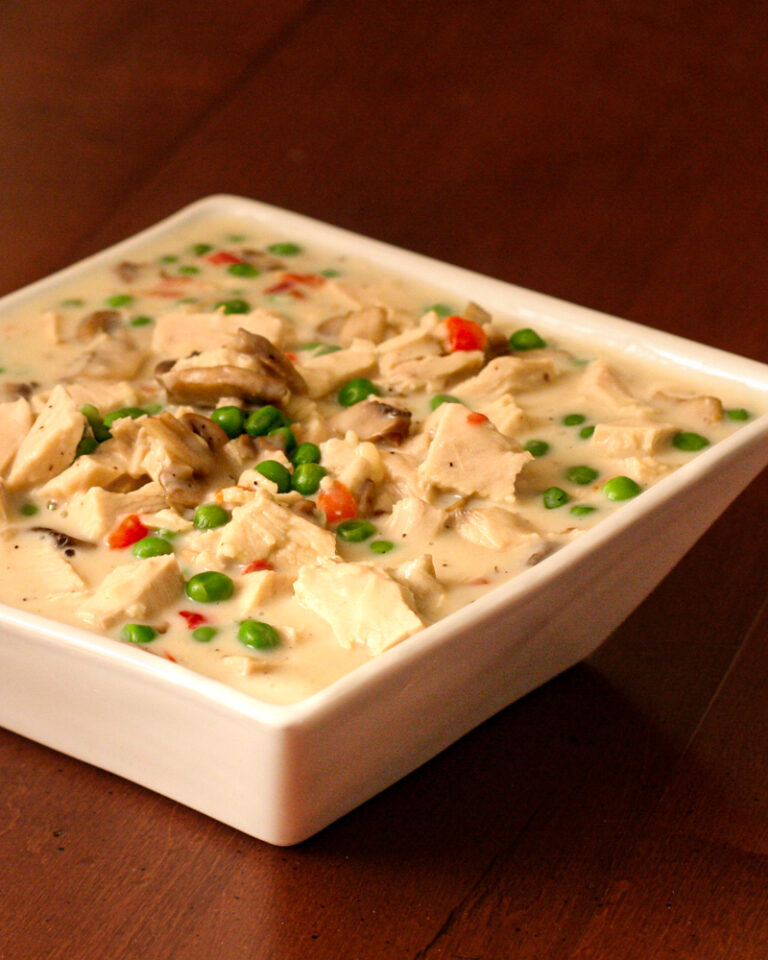
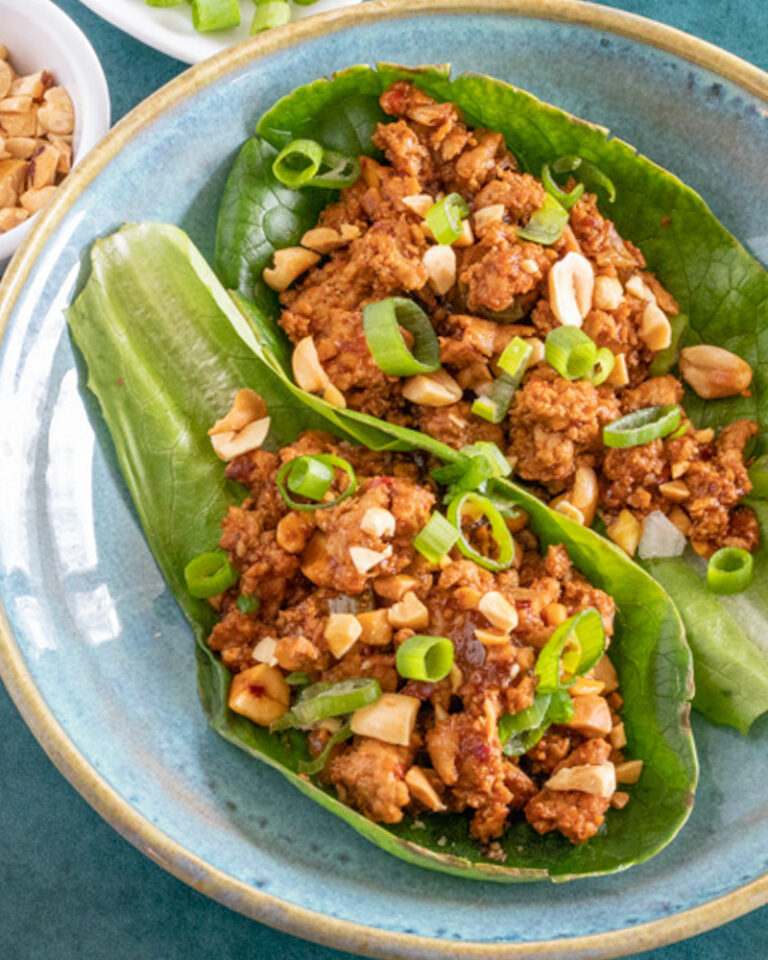
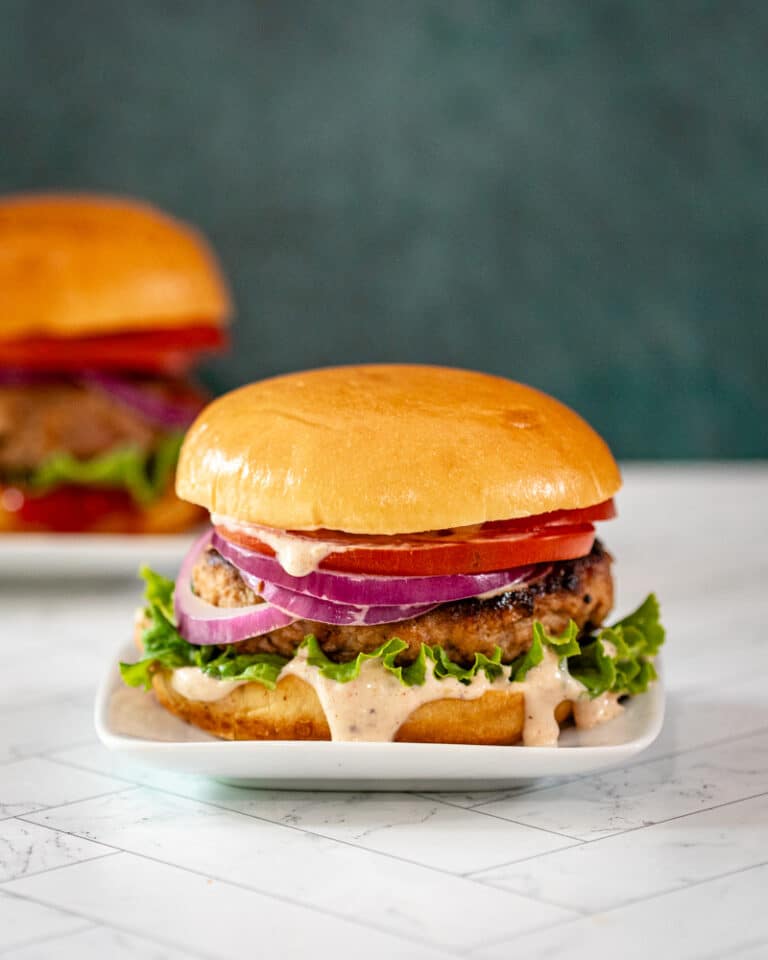
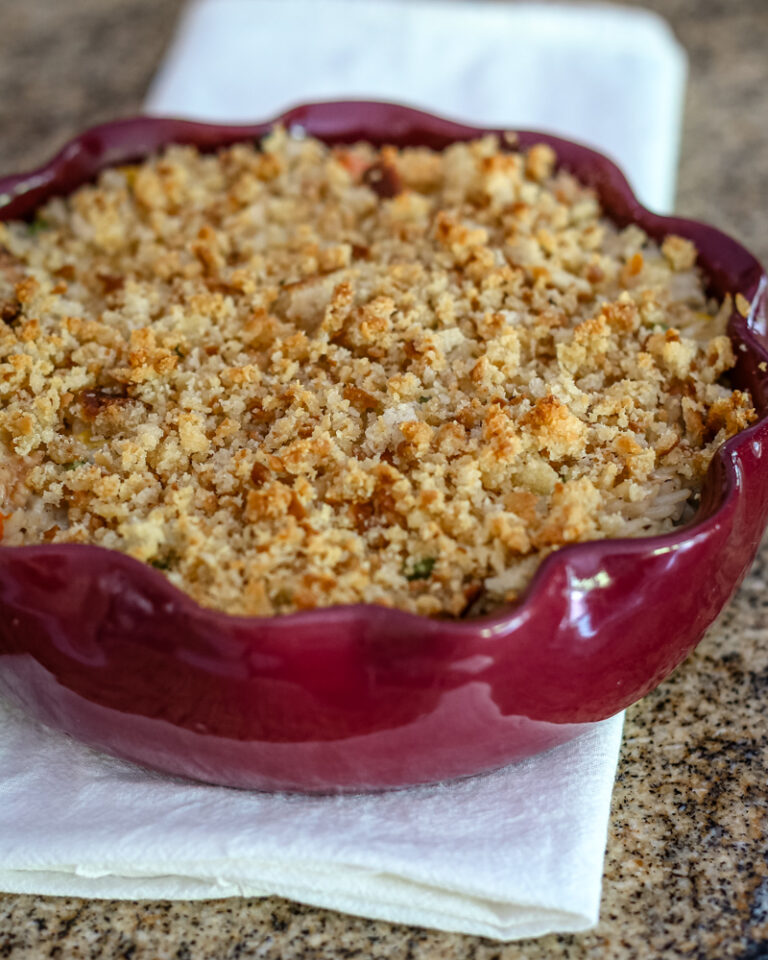
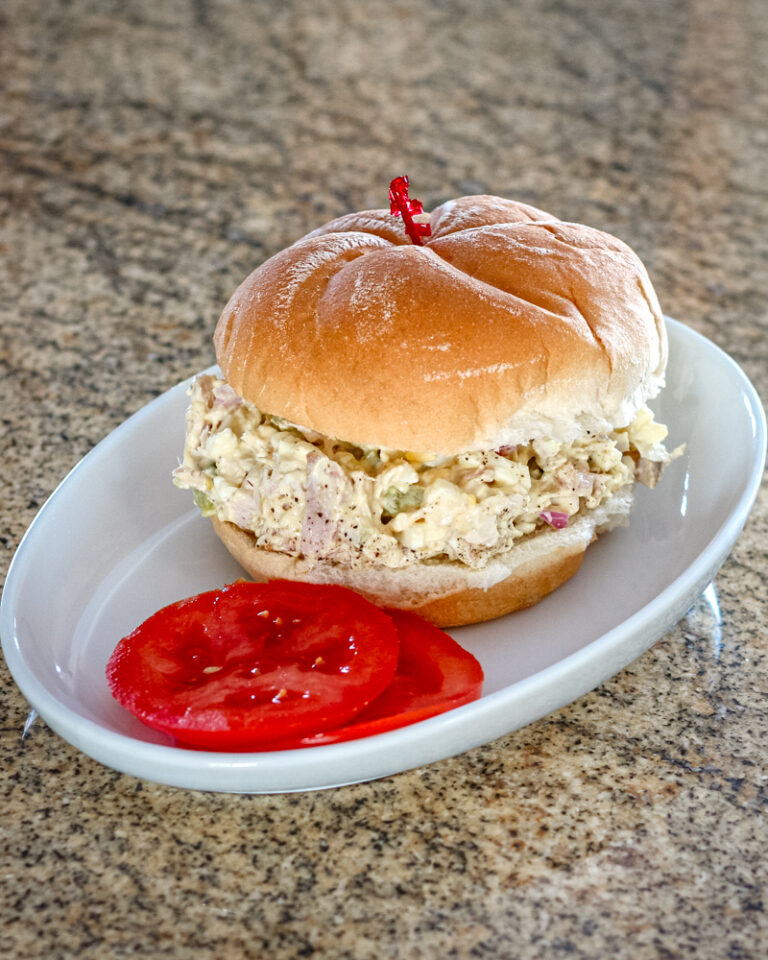
Use the leftovers to make turkey sandwiches or a delicious turkey salad. Or Make a hearty, satisfying casserole, like this tetrazzini.
Roast Turkey With Fresh Sage
Ingredients
- 1 14-pound turkey
- 2 tablespoons butter
- kosher salt and freshly ground black pepper
- fresh sage leaves
- dried rubbed sage
- dried leaf thyme
- chicken broth or water
Instructions
- Preheat the oven to 425 F.
- Rinse the turkey and cavity with cold water; pat dry with paper towels.
- Place the turkey, breast side up, on a rack in a roasting pan. Rub the turkey all over with butter and put several whole sage leaves under the skin. Sprinkle all over and in the cavity with salt and pepper.
- Sprinkle lightly with dried sage and thyme.
- Using kitchen twine, secure the wings close to the body and secure the ends of the legs together.
- Pour about 1/2-inch of chicken broth or water into the bottom of the roasting pan.
- Roast the for 15 minutes and then reduce the oven heat to 325 F.
- Cover the turkey loosely with foil and roast for about 3 to 4 hours longer, or until a meat thermometer or oven probe registers about 175 F in the inner part of a thigh (not touching bone) or the thickest part of the breast. The minimum safe temperature for turkey (USDA) is 165 F.
- If stuffed, the turkey stuffing must reach at least 165 F in the center. Even if the turkey tests done, make sure the dressing reaches 165 F.
- Remove the foil about 30 minutes before the turkey is done.
Nutrition
Disclaimer:
Our nutritional information is based on a third-party application that analyzes the ingredients list to determine the values. The information is meant to be helpful, but should be considered an estimate. Values may differ depending on measurements, brands, serving variations, and database availability.