Easy Skillet Spanish Rice
Make a delicious skillet Spanish rice with this easy recipe. Ground beef, rice, and tomato sauce combine for a flavorful and satisfying meal.

This post may contain affiliate links. See our Privacy Policy.
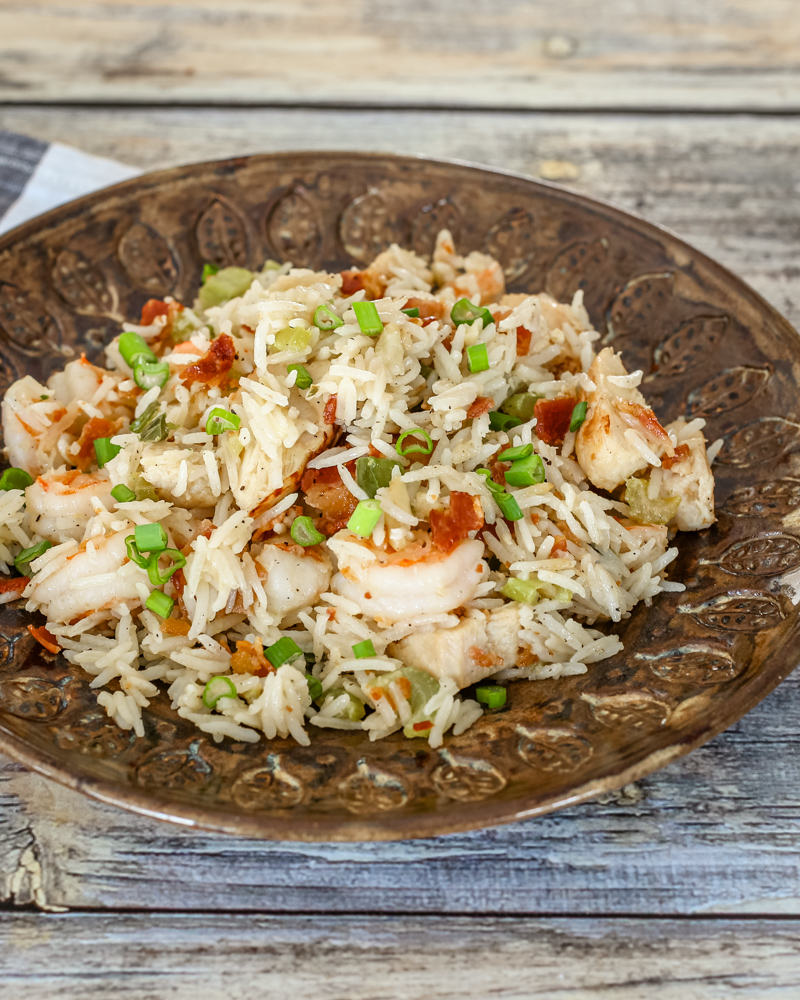
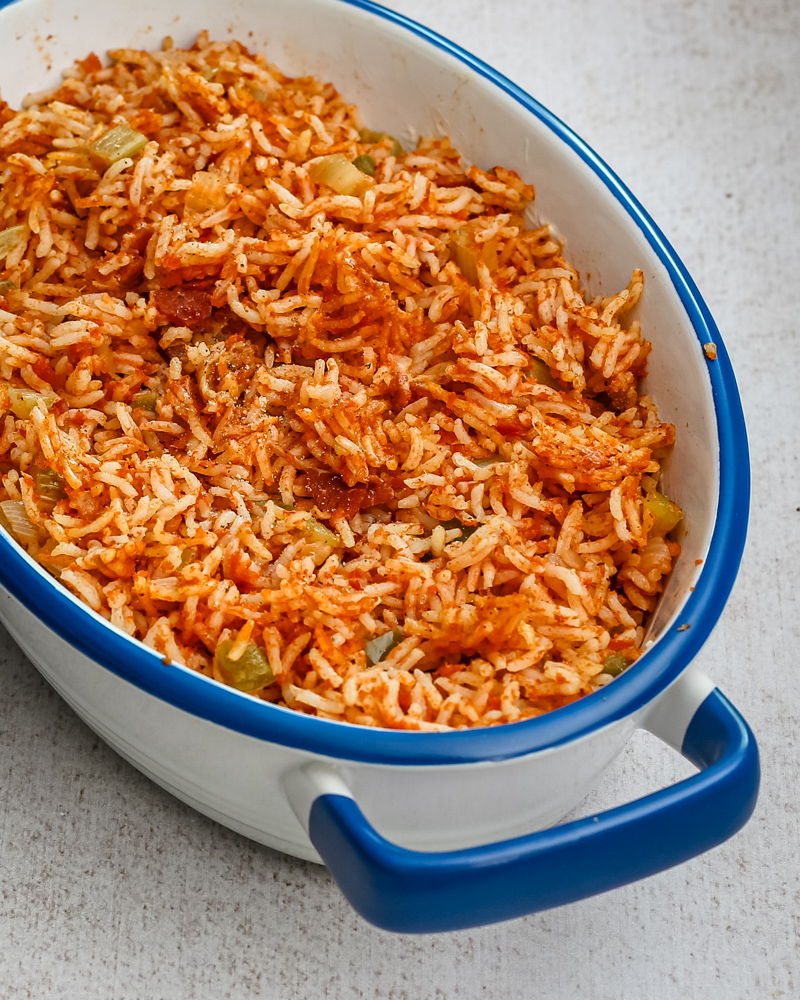
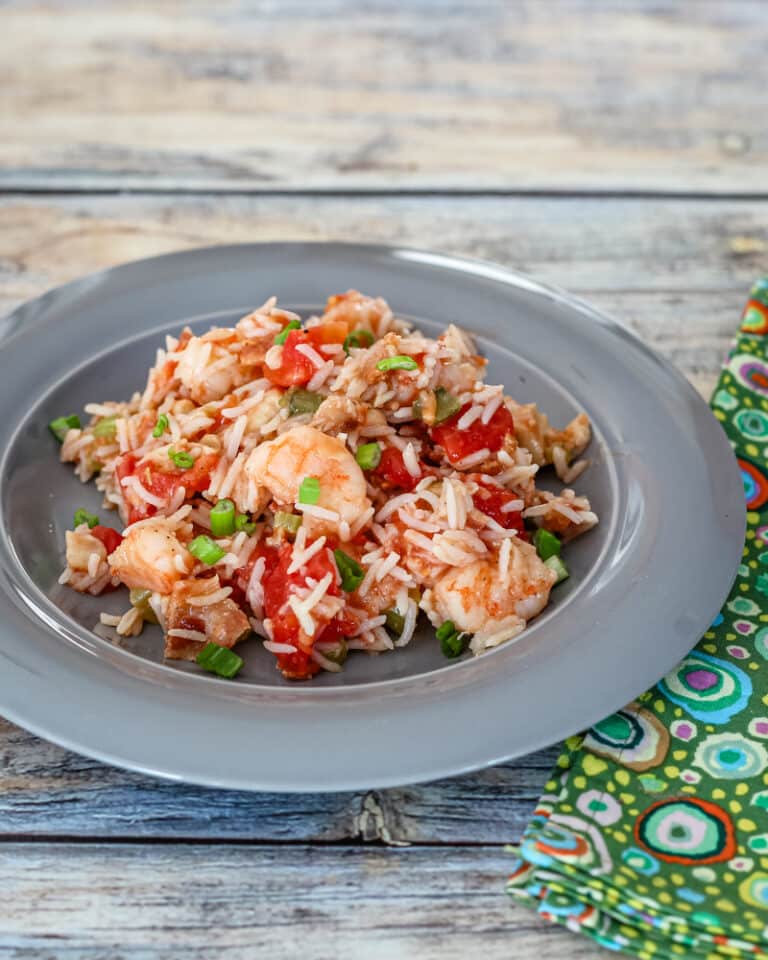
This easy skillet Spanish rice is a cozy, budget-friendly meal that comes together in one pan. Ground beef, onion, bell pepper, and rice simmer gently in tomato sauce and spices until the rice is tender and the flavors meld into a hearty, satisfying dish. It’s the kind of recipe you can throw together with pantry staples and a pound of ground beef, then let the stove do the rest.
It’s also very adaptable—keep it simple for picky eaters or dress it up with extra spices, beans, or toppings when you’re in the mood for something bolder. Serve it straight from the skillet for a no-fuss weeknight dinner, and any leftovers reheat beautifully for easy lunches the next day.
What You’ll Like About This Recipe
- One-pan convenience. Everything cooks in the same skillet—from browning the beef and softening the vegetables to simmering the rice—so cleanup is minimal and you don’t have to juggle multiple pots.
- Family-friendly flavor. The combination of tomato sauce, chili powder, and mild green bell pepper gives you a savory, gently spiced dish that most kids and adults will enjoy without being overly hot.
- Pantry staple ingredients. Ground beef, rice, tomato sauce, onion, and bell pepper are easy to keep on hand, making this a great last-minute dinner when you’re not sure what to cook.
- Easy to customize. You can boost the flavor with extra spices, stir in beans or corn, or add cheese and toppings at the end so each person can adjust their bowl to taste.
- Great as a main or side. Serve it as a stand-alone skillet meal, tuck it into tortillas for quick burritos, or spoon it alongside grilled meats, chicken, or pork.
Ingredient Notes
- Ground beef – Regular ground beef adds richness and turns this Spanish rice into a full meal. Leaner beef works well, too; if there is a lot of fat in the pan after browning, you can spoon off some before adding the rice and liquids.
- Onion – A chopped yellow or white onion builds a savory base flavor for the whole skillet. If you prefer a milder taste, you can use sweet onion or reduce the amount slightly.
- Green bell pepper – Adds color and a mild, slightly grassy flavor that goes well with tomatoes and chili powder. You can mix in red or yellow bell pepper for extra sweetness or use poblano peppers for a little more depth.
- Long-grain rice – Uncooked long-grain white rice works best here; it cooks up fluffy and separate rather than sticky. Avoid instant rice for this recipe, since the timing and liquid ratio are written for regular long-grain rice.
- Tomato sauce – An 8-ounce can of tomato sauce gives the rice its classic red color and slightly tangy flavor. If your sauce is seasoned, you may want to taste before adding extra salt; plain tomato sauce allows you to control the seasoning more precisely.
- Chili powder – A mild chili powder blend adds gentle warmth and a hint of smokiness without overwhelming the dish. If your blend is spicy, you may want to start with a little less and adjust to taste.
How to Make It
- Heat the oil in a large, deep skillet over medium-high heat so the beef browns nicely instead of steaming.
- Add the ground beef to the hot skillet and let it cook undisturbed for a few minutes to develop color before breaking it up with a spoon.
- Stir in the chopped onion and diced green bell pepper and continue cooking until the beef is no longer pink and the vegetables begin to soften.
- Add the uncooked rice, chili powder, salt, pepper, tomato sauce, and water, stirring to evenly distribute the rice and seasonings throughout the skillet.
- Bring the mixture to a boil, then reduce the heat to low, cover the skillet tightly, and let it simmer gently until the rice is tender.
- Check the rice toward the end of the cooking time, fluff it with a fork, and let it stand off the heat for a few minutes so any remaining liquid can be absorbed before serving.
Pro Tips
- Brown the beef long enough on the first side to develop some caramelization; those browned bits add a lot of flavor to the finished dish.
- Rinse the rice briefly under cool water if you want slightly fluffier grains; this can remove a bit of excess surface starch and help keep the rice from clumping.
- Stir the rice into the hot mixture thoroughly before covering so every grain is coated with liquid and seasonings, which promotes even cooking.
- Cover the skillet tightly and avoid lifting the lid frequently during simmering; too much peeking can release steam and leave the rice undercooked.
- Rest the rice off the heat for several minutes after cooking, then fluff with a fork instead of stirring vigorously to keep the grains from breaking and becoming mushy.
Recipe Variations
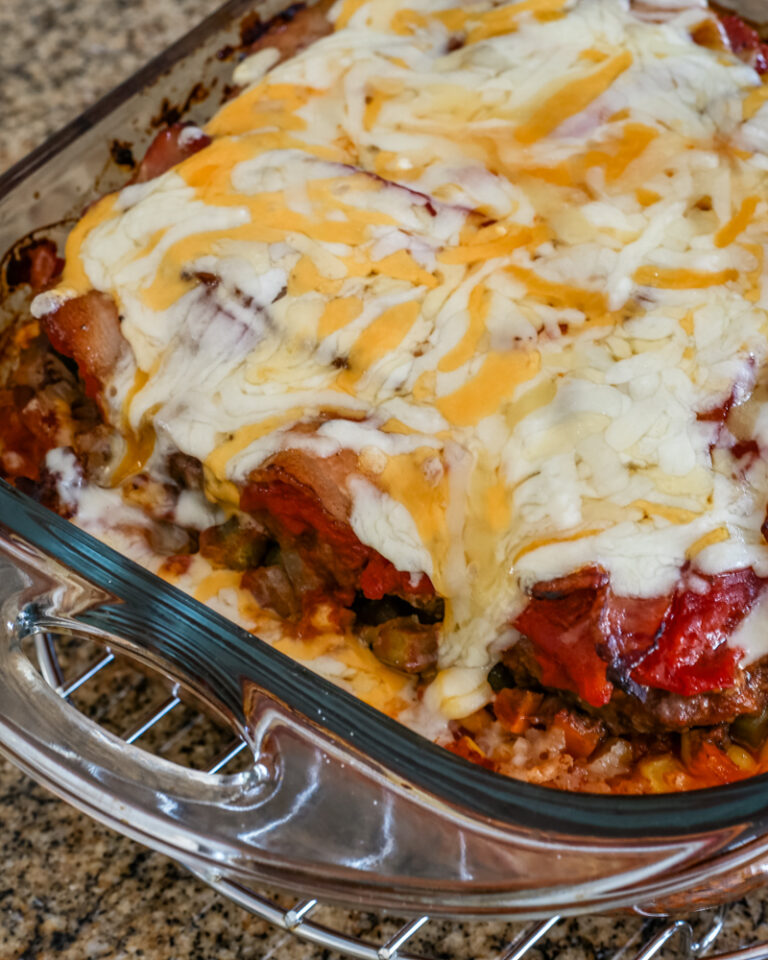
- Cheesy Spanish rice skillet. Stir a handful or two of shredded cheddar, Monterey Jack, or a Mexican-style cheese blend into the hot rice just before serving, then sprinkle more on top and let it melt for an extra-creamy, kid-friendly version.
- Spanish rice with beans and corn. Add a drained can of black beans or pinto beans and a cup of frozen or canned corn during the last few minutes of cooking. This stretches the dish to feed more people and adds extra texture and fiber.
- Spicier skillet rice. Increase the chili powder and add a pinch of crushed red pepper flakes, cayenne, or a bit of chopped jalapeño when you sauté the onions and peppers. This version works well for those who prefer a bolder, more assertive heat.
- Turkey or chicken swap. Replace the ground beef with ground turkey or ground chicken for a lighter option. You may want to add a touch of extra oil and a bit more seasoning, since leaner meats can taste milder.
- Tomato-chunk version. Substitute part of the tomato sauce with diced tomatoes (with their juices) for a slightly looser texture and little bites of tomato throughout the rice.
Serving Suggestions
- Serve the Spanish rice hot straight from the skillet with a sprinkle of shredded cheese and sliced green onions or fresh cilantro on top.
- Add a simple side salad, sliced cucumbers, or a plate of fresh tomato wedges to bring some freshness and crunch alongside the warm, hearty rice.
- Pair with warm tortillas, quesadillas, or crusty bread so everyone can scoop up the rice or wrap it into quick handhelds.
- Choose to spoon the rice alongside grilled chicken, pork chops, or roasted vegetables for a more substantial spread.
- Top each bowl with extras like sour cream, diced avocado, salsa, or pickled jalapeños to let everyone customize the flavor and heat level.
How to Store
- Refrigerate: Let the rice cool to room temperature, then transfer it to an airtight container and refrigerate for up to 3 to 4 days. Flattening the rice in a shallow container helps it chill quickly and evenly.
- Reheat: Rewarm individual portions in the microwave or in a covered skillet over low heat, adding a splash of water or broth and stirring occasionally until heated through and the rice is loosened again.
- Freeze: For longer storage, spoon cooled rice into freezer-safe bags or containers, pressing out as much air as possible, and freeze for up to 2 months. Thaw overnight in the refrigerator before reheating with a bit of extra liquid to restore moisture.

Easy Skillet Spanish Rice
Ingredients
- 1 tablespoon vegetable oil
- 1 pound ground beef
- 1 cup onion, chopped
- ½ cup green bell pepper, diced
- 1 cup long-grain rice, uncooked
- 1 teaspoon chili powder
- ½ teaspoon salt
- ½ teaspoon ground black pepper
- 8 ounces tomato sauce
- 1 ½ cups water
Instructions
- Heat the oil in a large skillet or sauté pan over medium-high heat. Brown the ground beef, undisturbed, for 4 minutes. Break the beef up and add the onion and bell pepper. Continue cooking, stirring, for 3 to 4 minutes, until the beef is no longer pink and the onions are translucent.
- Add the rice, chili powder, salt, pepper, tomato sauce, and water; bring to a boil. Reduce the heat to low, cover, and simmer for 15 to 20 minutes or until the rice is tender.
Nutrition
Disclaimer:
Our nutritional information is based on a third-party application that analyzes the ingredients list to determine the values. The information is meant to be helpful, but should be considered an estimate. Values may differ depending on measurements, brands, serving variations, and database availability.