Classic Creamy Coleslaw
This recipe is our best classic creamy coleslaw—make it for your next cookout or potluck dinner. Quick, easy, and full of flavor!

This post may contain affiliate links. See our Privacy Policy.
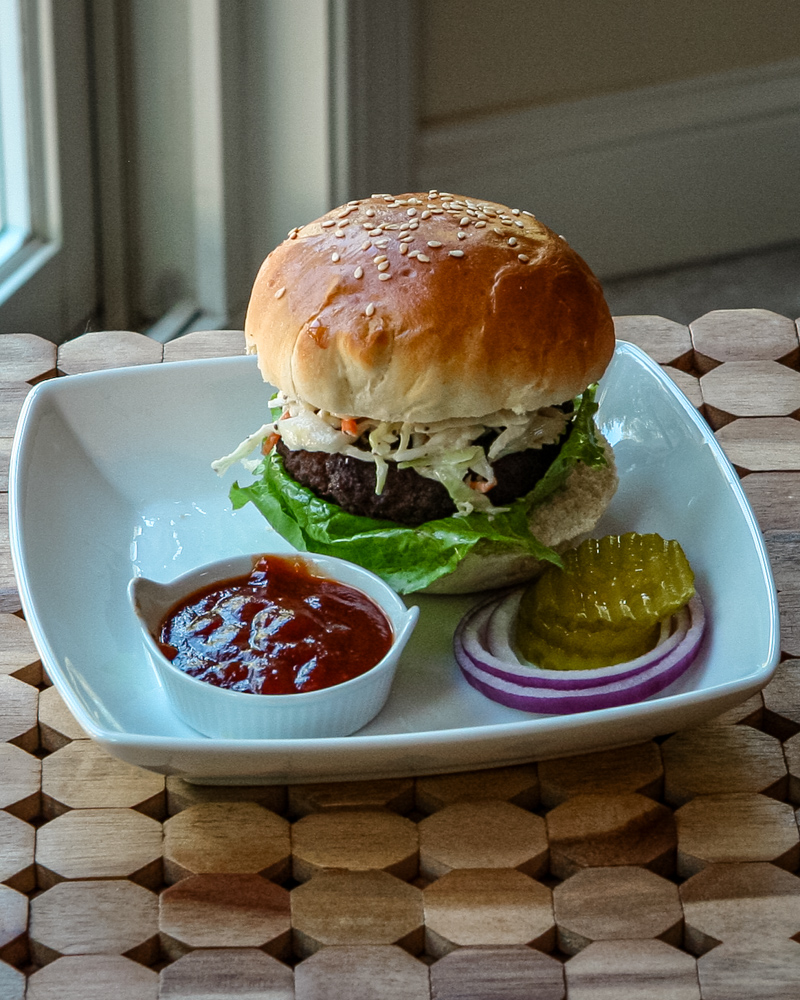
This classic creamy coleslaw is my favorite slaw to pile on pulled pork sandwiches or serve alongside fish, ham, or pork dishes. It’s not overly sweet, has a perfectly balanced acidity, and celery seeds add an extra layer of flavor. If you like a sweeter slaw, feel free to experiment with more sugar or honey, or leave the sweetener out altogether. Using this recipe, you’ll have a delicious coleslaw within 15 or 20 minutes.
This creamy coleslaw is perfect for family meals, cookouts, tailgating events, fish fries, or potluck dinners!
What I Love About This Recipe
- Classic flavor. This coleslaw hits the sweet spot between tangy and creamy. The vinegar provides brightness, the mayonnaise adds richness, and the sugar (or honey) smooths everything out without making the slaw taste dessert-like.
- Crisp but not harsh texture. Finely shredded cabbage softens just enough as it rests, losing any raw edge while still keeping a satisfying crunch. The carrot adds subtle sweetness and color without overpowering the cabbage.
- Highly adaptable to taste. This recipe is intentionally flexible. You can adjust sweetness, acidity, or creaminess easily, making it a dependable base whether you like your slaw sharper, milder, or extra creamy.
- Perfect with rich or smoky foods. Creamy coleslaw provides contrast to pulled pork, ribs, fried fish, or ham, cutting through richness and refreshing the palate between bites.
- Make-ahead friendly. Coleslaw improves after a short rest, making it ideal for potlucks, cookouts, and holiday meals where advance prep is a plus.
Ingredient Notes
- Cabbage – Green cabbage is traditional and provides the best crunch. Shred it finely for a more cohesive, scoopable slaw.
- Carrot – Adds color and a touch of natural sweetness. Julienne or shred it finely so it blends evenly with the cabbage.
- Mayonnaise – Full-fat mayonnaise creates the creamiest dressing. Brands like Duke’s or Hellmann’s are especially good for coleslaw.
- Sugar or honey – Either works. Sugar keeps the flavor neutral, while honey adds a slightly warmer note.
- White wine vinegar or apple cider vinegar – White wine vinegar is mild and clean; apple cider vinegar adds a bit more tang and depth.
- Celery seeds – A small amount adds classic coleslaw flavor and subtle bitterness that balances the dressing.
How to Make It
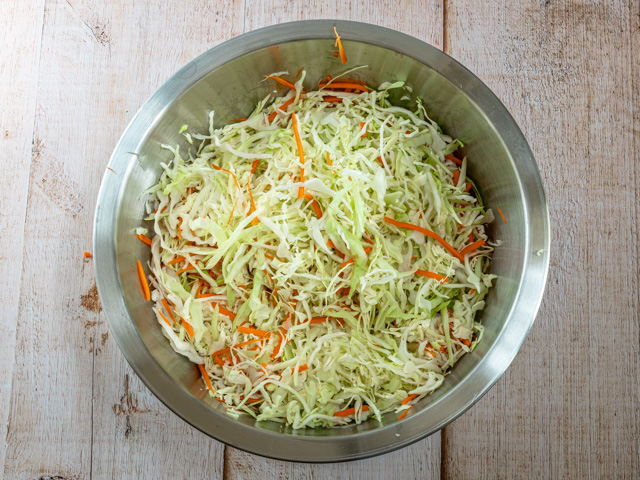
- Shred the cabbage finely so it softens evenly and absorbs the dressing without becoming soggy.
- Add the carrot and toss gently to distribute it throughout the cabbage.
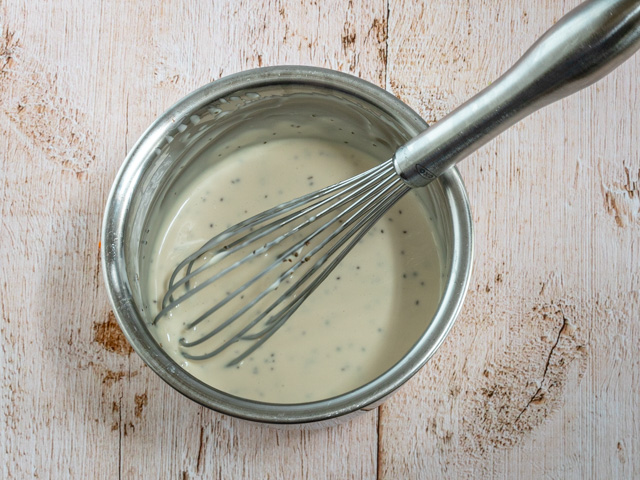
- Whisk the dressing ingredients until completely smooth so the sugar dissolves evenly.
- Toss the cabbage mixture with just enough dressing to coat everything lightly at first.
- Cover and refrigerate, allowing the cabbage to release moisture and meld with the dressing.
- Taste after chilling and adjust seasoning or creaminess before serving.
Pro Tips
- Shredding method – A sharp knife or mandoline produces cleaner shreds than a food processor, which can bruise the cabbage.
- Resting time – At least an hour is ideal; longer resting improves flavor but may require a quick stir before serving.
- Dressing control – Start with less dressing; you can always add more if needed.
- Season last – Salt draws moisture from cabbage, so season after chilling to avoid watery slaw.
- Extra crunch – For firmer texture, toss cabbage lightly with salt, let sit briefly, then drain before dressing.
Recipe Variations
- Add Dijon mustard. A teaspoon adds a little extra tang and sharpness.
- Include fresh herbs. Try dill, chives, or parsley for added freshness.
- Make it spicy. Stir in cayenne, hot sauce, or finely chopped jalapeño.
- Go fruity. Add diced apples, pineapple, or raisins for sweetness.
- Add crunch. Toss in chopped pecans, walnuts, or sunflower seeds.
- Swap the sweetener. Try maple syrup or agave instead of sugar or honey.
What to Serve With Coleslaw
- Fish: Add it to your menu with this baked Chilean sea bass or a fabulous dish or fried sole or oven-fried tilapia.
- Shellfish: Serve this slaw with fried oysters, lobster rolls, or alongside this simple shrimp wiggle.
- Pork: Pulled pork isn’t a meal without the slaw. It’s also great with pork chops and grilled pork tenderloin.
- Beef: Whether as a topping or on the side, coleslaw provides fabulous flavor to hamburgers, turkey burgers, and sloppy joes.
- Chicken: Coleslaw and fried chicken is a classic combination. Add it to roast chicken dinner or baked chicken breasts for a lovely balance of flavors and freshness.
- Sandwiches: Add it to a grilled cheese sandwich for a delightful surprise, or update your Reuben with slaw instead of sauerkraut.
How to Store
- Refrigerate – Store in an airtight container for up to 3 days. Stir before serving, as liquid may settle.
- Freeze – Freezing is not recommended; the cabbage will lose its texture.
- Refresh – Stir well and adjust seasoning or add a spoonful of mayonnaise if the slaw thickens after chilling.
Classic Creamy Coleslaw
Ingredients
- 1 large cabbage, finely shredded
- 1 large carrot, shredded or julienned
- ¾ cup mayonnaise, or to taste
- 1 tablespoon sugar , or to taste (or honey)
- 2 tablespoons white wine vinegar, or apple cider vinegar
- ½ teaspoon celery seeds
- Salt and freshly ground black pepper, to taste
Instructions
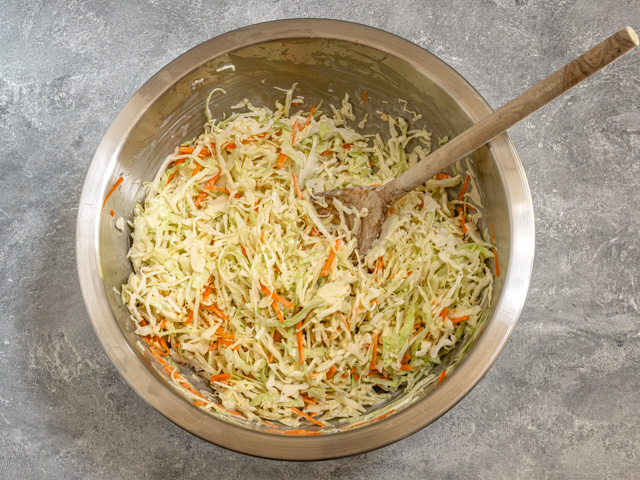
- Prepare the Cabbage: Shred the cabbage and carrots and transfer them to a large bowl.

- Prepare the Dressing: In a small bowl, combine the mayonnaise, sugar or honey, vinegar, and celery seeds. Whisk to blend.
- Dress the Salad: Toss the cabbage mixture with the dressing until moistened. Cover and refrigerate for at least 1 hour.
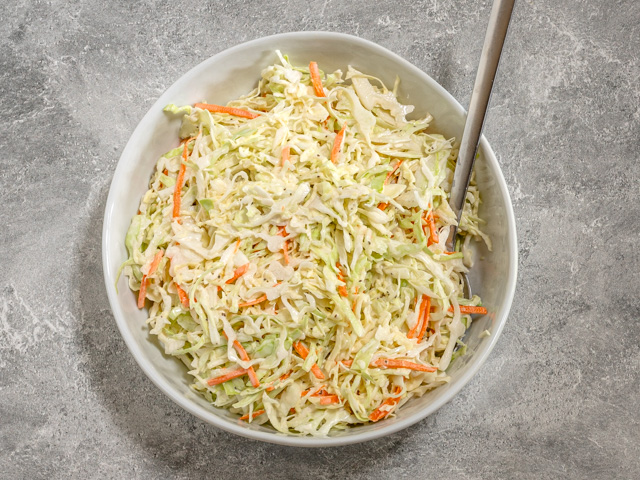
- Serve: Taste the slaw and add salt and pepper to taste. Transfer to a serving bowl. Enjoy!
Nutrition
Disclaimer:
Our nutritional information is based on a third-party application that analyzes the ingredients list to determine the values. The information is meant to be helpful, but should be considered an estimate. Values may differ depending on measurements, brands, serving variations, and database availability.