Chocolate Coconut Oil Cake and Frosting (Vegan)
This fast and easy chocolate cake is the perfect dessert to satisfy a chocolate craving! Not only is it quick and easy—the cake and frosting are egg and dairy free!

This post may contain affiliate links. See our Privacy Policy.
This fast and easy chocolate cake is just the right size for most families and the perfect dessert to satisfy a chocolate craving! Not only is it quick and easy, but the cake and frosting are also egg and dairy-free. I like a small cake like this because there’s almost never any waste. However, if it is too much to eat within 3 days, feel free to freeze individual slices to enjoy later. Just thaw the cake in the refrigerator or on the countertop.
The frosting is equally easy: melted chocolate, coconut oil, nondairy milk, and cocoa powder come together to form a smooth, glossy finish that spreads beautifully over the cooled cake. Whether you’re baking for a vegan guest or just want a dependable chocolate cake that comes together in minutes, this recipe delivers every time.
Because the cake contains no dairy or eggs, it’s suitable for vegan diets. If you have vegan family and friends visiting for the holidays, this is an excellent choice.
What You’ll Like About This Recipe
Completely vegan. No eggs or dairy, yet the cake stays moist and tender.
Simple, pantry-friendly ingredients. Coconut oil, cocoa powder, and vinegar make the recipe easy to assemble.
Quick and reliable. The batter mixes in one bowl and bakes into a light, flavorful cake.
Ingredient Notes
- Granulated sugar: Sweetens the cake and helps create moisture.
- Coconut oil: Provides richness; melt before mixing for easier blending.
- Water: Keeps the batter pourable and helps activate the leavening.
- Vanilla extract: Adds warmth and enhances chocolate flavor.
- All-purpose flour: Forms the structure of the cake.
- Unsweetened cocoa powder: Provides the deep chocolate flavor—use natural cocoa.
- Baking soda: Reacts with vinegar to give the cake lift.
- Salt: Balances sweetness and sharpens flavor.
- White vinegar: Activates baking soda for a light rise; essential for the vegan structure.
- Vegan chocolate chips: Melt into the frosting—check labels to ensure dairy-free.
- Coconut oil (frosting): Helps the frosting firm with a subtly rich flavor.
- Nondairy milk: Thins the frosting to a spreadable consistency.
- Cocoa powder (frosting): Enhances chocolate intensity.
- Powdered sugar: Adjusts sweetness and texture for spreading.
Steps to Make Chocolate Coconut Oil Cake and Frosting
- Preheat the oven and prepare an 8-inch square baking pan.
- Whisk together the sugar, melted coconut oil, water, and vanilla.
- Add the flour, cocoa, baking soda, and salt; whisk until blended.
- Stir in the vinegar and pour the batter into the pan.
- Bake until a toothpick comes out clean; cool the cake on a rack.
- Melt the chocolate chips with coconut oil over simmering water.
- Beat in the nondairy milk, cocoa powder, extracts, and salt.
- Add powdered sugar gradually until the frosting is smooth and spreadable.
- Frost the cooled cake and store covered.
Pro Tip:
Add the vinegar last and get the cake into the oven quickly—this activates the baking soda and helps the vegan batter rise properly for a tender, even crumb.
Recipe Variations
- Mocha cake. Add ½ to 1 teaspoon espresso powder to the dry ingredients.
- Coconut lovers’ version. Stir ½ cup shredded coconut into the batter.
- Nut-free frosting. Omit almond extract for a simpler chocolate flavor.
- Gluten-free option. Use a 1:1 gluten-free flour blend for similar results.
- Richer frosting. Add an extra tablespoon of cocoa for a deeper chocolate flavor.
Serving Suggestions
- Serve with fresh berries or sliced strawberries.
- Pair with coffee, almond milk, or hot cocoa.
- Add toasted coconut flakes on top for extra flavor.
- Choose to dust lightly with cocoa or powdered sugar before serving.
How to Store
Room temperature: Store the frosted cake in a covered container for up to 3 days.
Refrigerate: If your kitchen is warm, refrigerate to keep the frosting firm; bring to room temperature before serving.
Freeze: Freeze unfrosted cake layers tightly wrapped for up to 3 months. Thaw before frosting.
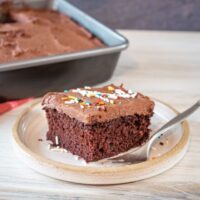
Chocolate Coconut Oil Cake and Frosting (Vegan)
Ingredients
For the Cake
- 1 cup granulated sugar
- ½ cup coconut oil, melted
- 1 cup water, cool
- 1 ½ teaspoons vanilla extract
- 1 ½ cups all-purpose flour, 6 3/4 ounces
- ¼ cup unsweetened cocoa powder
- 1 teaspoon baking soda
- ½ teaspoon salt
- 1 teaspoon white vinegar
For the Frosting
- 2 ounces semisweet chocolate chips, for vegan, check the label
- 1 ½ tablespoons coconut oil
- ¼ cup nondairy milk, or regular milk or half-and-half
- 4 tablespoons unsweetened cocoa powder
- 1 teaspoon vanilla extract
- ¼ teaspoon almond extract
- Dash salt
- 2 ½ to 4 cups powdered sugar
Instructions
For the Cake:
- Preheat the oven to 350 F.
- Lightly grease and flour an 8-inch square baking pan or spray it with baking spray.
- In a mixing bowl, combine the granulated sugar, 1/2 cup of coconut oil, water, and 1 1/2 teaspoons of vanilla; whisk to blend.
- Add the flour, 1/4 cup of cocoa powder, baking soda, and 1/2 teaspoon of salt to the first mixture and whisk until blended.

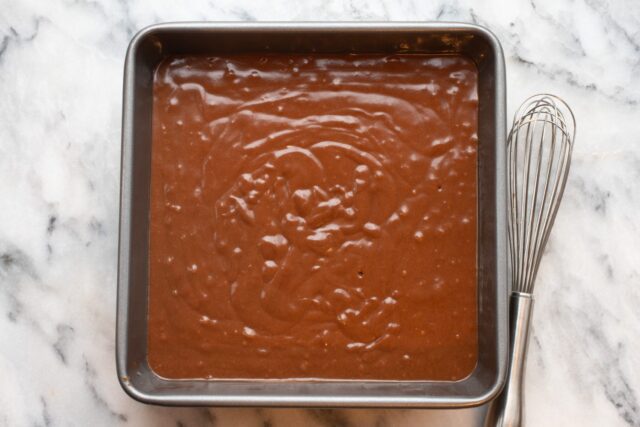
- Stir in the vinegar and pour the batter into the prepared baking pan.
- Bake the cake for about 30 to 35 minutes, or until a toothpick inserted into the center comes out clean.
- Transfer the cake to a rack to cool.
For the Frosting:
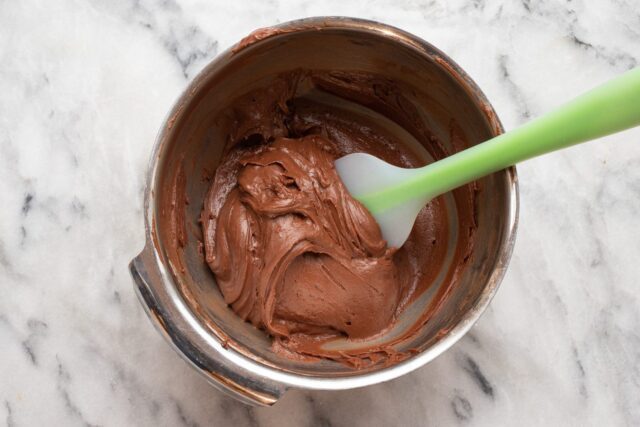
- Put the chocolate chips and 1 1/2 tablespoons of coconut oil in a heat-safe bowl and place it over simmering water. Heat and stir until the chocolate chips are melted and smooth.
- With an electric mixer, beat in the nondairy milk or half-and-half, 4 tablespoons of cocoa powder, 1 teaspoon of vanilla, the almond extract, and a dash of salt. Beat in enough powdered sugar to make a spreadable frosting.
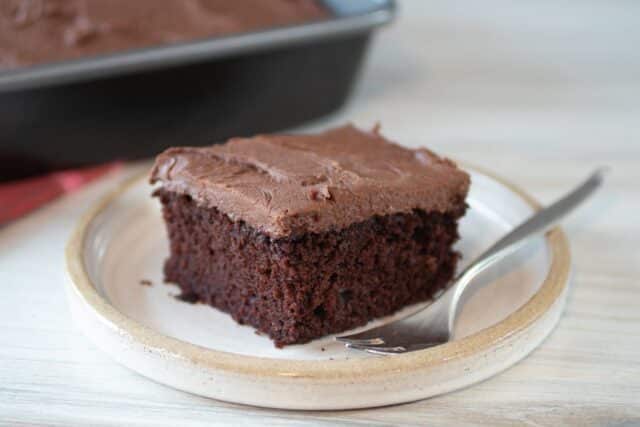
- Spread the frosting over the cooled cake.
- Store the cake in a covered container at room temperature for up to 3 days.
Nutrition
Disclaimer:
Our nutritional information is based on a third-party application that analyzes the ingredients list to determine the values. The information is meant to be helpful, but should be considered an estimate. Values may differ depending on measurements, brands, serving variations, and database availability.