

This post may contain affiliate links. See our Privacy Policy.
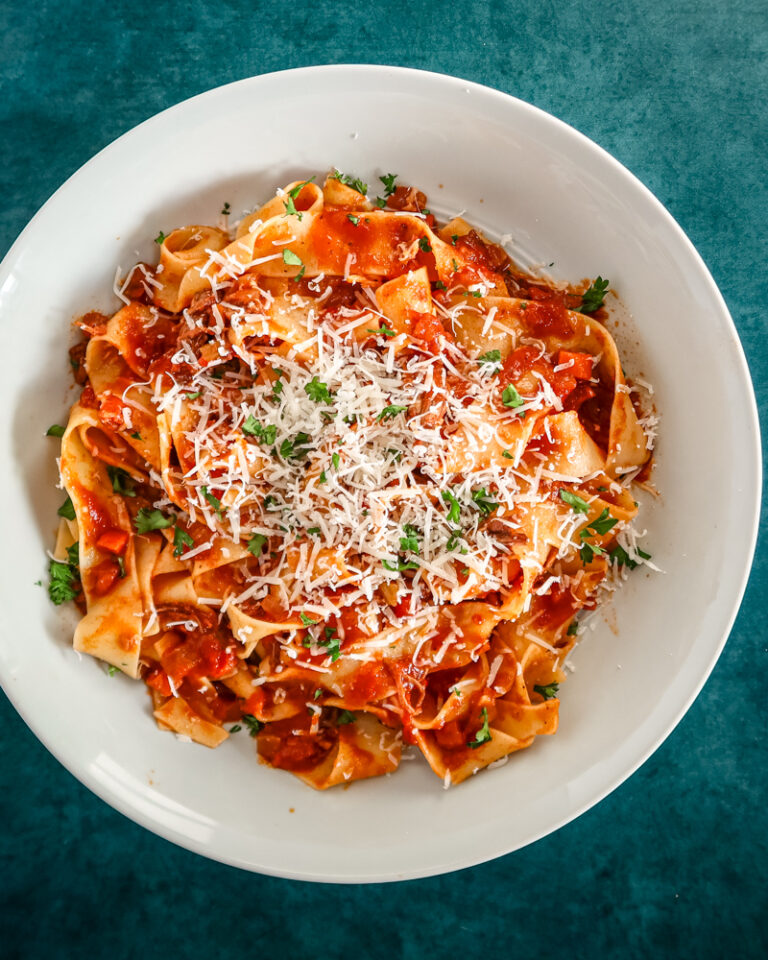
Bucatini all’Amatriciana is a simple pasta dish with big flavor from just a few ingredients. Crisp guanciale gives the sauce its savory richness, Pecorino Romano adds sharpness, and tomatoes bring enough brightness to balance everything out.
I like it with bucatini because the thick, hollow pasta has a nice chewy texture and holds onto the sauce well. It’s special enough for guests but still practical for a weeknight, especially once you get the timing down and use a little starchy pasta water to bring the sauce together.
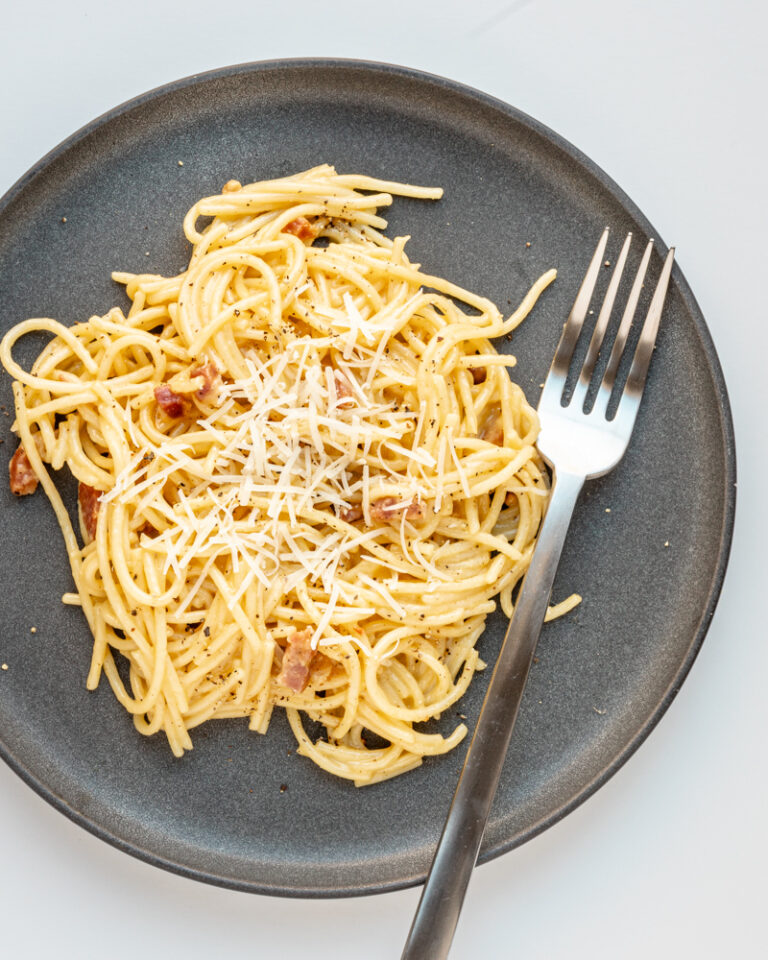
My version of the dish includes finely chopped shallots, grated garlic, and a splash of white wine (optional but highly recommended), for a bright sauce with layers of bright flavor. A dash of red pepper flakes adds warmth, while finely grated Pecorino Romano cheese ties everything together with its salty, nutty essence. Unlike other Roman pasta dishes like Carbonara or Cacio e Pepe, which rely on a creamy sauce, Bucatini all’Amatriciana is finished with a bold, tomato-based sauce.
What You’ll Like About This Recipe
- Big flavor from simple ingredients. With just guanciale, tomatoes, Pecorino Romano, and pasta, this dish creates a balanced, deeply savory sauce. The pork provides richness, the tomatoes brighten it, and the Pecorino ties everything together. It’s proof that a short ingredient list can produce immense flavor.
- Authentic texture and technique. Using bucatini gives you that signature chew and hollow center that beautifully captures the sauce. Tossing the pasta directly in the skillet allows it to emulsify with the rendered pork fat and reserved pasta water, creating a glossy, clinging sauce.
- Quick enough for weeknights. Even with its layered flavor, this recipe comes together in under 40 minutes. Most of the cooking happens while the pasta water heats, making it an ideal option when you want something special without a long time commitment.
- Easy to customize while staying true to tradition. You can adjust the heat, add wine, or swap in pancetta if guanciale isn’t available. None of these changes compromise the heart of the dish, allowing you to tailor it to your preferences.
- A crowd-pleaser with classic Italian comfort vibes. The combination of salty cheese, savory pork, and hearty pasta appeals to nearly everyone. It’s richly satisfying without overwhelming heaviness, and the leftovers reheat beautifully.
Ingredient Notes
- Guanciale – Traditional and preferred for its rich, silky fat and pronounced pork flavor. If unavailable, pancetta is the closest substitute. Bacon works in a pinch but introduces smokiness not found in the original dish.
- San Marzano tomatoes – These give the sauce sweetness and balanced acidity. Crushing them by hand creates a rustic texture that blends well with bucatini.
- Pecorino Romano – Its sharp, salty edge is essential to the dish. Grate it finely so it melts smoothly into the sauce.
- Bucatini – Thick, tubular pasta that holds sauces exceptionally well. Spaghetti or rigatoni can be used if bucatini is unavailable.
- Red pepper flakes – Provide gentle heat, but freshly ground black pepper is traditional in many versions. Adjust based on your preferred spice level.

How to Cook Pasta
Learn how much water and salt to use, when pasta is perfectly al dente, and a few simple tips for better results.
Steps to Make Bucatini all’Amatriciana
- Start by crisping the guanciale gently so the fat renders slowly and evenly. This creates the sauce’s flavorful base and ensures the pork turns golden rather than burnt.
- Sauté the shallots and garlic in the rendered fat to build depth. Deglazing with wine is optional but helps lift browned bits and adds brightness before the tomatoes go in.
- Add the tomatoes and let them simmer long enough to thicken slightly. This reduces acidity and encourages the flavors to meld with the pork fat.
- Cook the bucatini until al dente, reserving starchy pasta water. Adding this water later helps emulsify the sauce into a glossy consistency that clings to the noodles.
- Combine the pasta with the sauce, guanciale, and some Pecorino. Toss vigorously, adding pasta water as needed to loosen and enrich the sauce.
- Garnish with reserved guanciale pieces and more Pecorino just before serving for texture and contrast.
Pro Tips
- Render the guanciale slowly to extract maximum flavor without scorching.
- Crush the tomatoes by hand for a rustic texture that integrates well with bucatini.
- Salt the pasta water generously; it seasons the pasta from within.
- Reserve pasta water before draining—this is key to emulsifying the sauce.
- Toss the pasta vigorously in the skillet to help the sauce cling properly.
Recipe Variations
- Use pancetta instead of guanciale. While guanciale is traditional, pancetta produces a similar texture and flavor profile with slightly less richness.
- Add a splash of wine. White wine or red wine adds brightness and complexity. Let it reduce before adding tomatoes.
- Play with heat levels. Increase or decrease red pepper flakes to match your preference, or swap for black pepper for a more traditional Roman-style preparation.
- Try different pasta shapes. Spaghetti, tonnarelli, or rigatoni all absorb the sauce well if bucatini is unavailable.
- Finish with butter. A small pat at the end softens the tomatoes’ acidity and adds a silky finish.
Serving Suggestions
- Serve with a simple green salad dressed in lemon and olive oil for balance.
- Add extra Pecorino Romano at the table for those who enjoy a saltier finish.
- Pair with crusty olive-studded focaccia to soak up the rich tomato sauce.
- Choose a dry white or light red wine to complement the dish’s savory depth.
How to Store
- Refrigerate leftovers in a sealed container for up to 3 days. The sauce continues to develop flavor and reheats well.
- Freeze the sauce separately from the pasta for the best texture. Pasta softens when frozen but can still be stored if needed for short-term freezing.
- Reheat gently in a skillet with a splash of water to loosen the sauce and restore its silky consistency.
Frequently Asked Questions
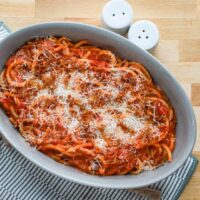
Bucatini all’Amatriciana
Ingredients
- 2 tbsp kosher salt for the cooking water, plus more to taste
- 8 ounces guanciale*, 1/4-inch dice
- ¼ cup finely chopped shallots
- 3 cloves garlic, minced
- ¼ cup dry white wine (optional)
- ½ tsp red pepper flakes or freshly ground black pepper
- 1 pound bucatini, dried
- 1 cup grated Pecorino Romano cheese*
- 1 28-ounce can whole tomatoes, San Marzano, crushed by hand, with juice
Instructions
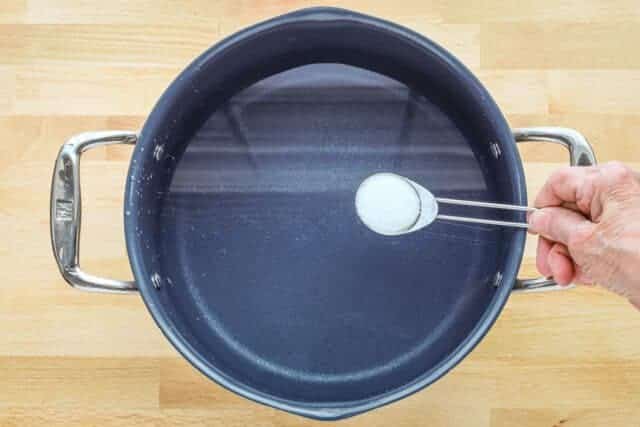
- Add 2 tablespoons of kosher salt to a large pot of water and bring to a boil over medium-high heat.2 tbsp kosher salt for the cooking water (plus more to taste)

- Add the guanciale to a large skillet and cook for 4 to 6 minutes or until crisp and browned; transfer the guanciale to a paper towel-lined tray to drain.8 ounces guanciale* (1/4-inch dice)
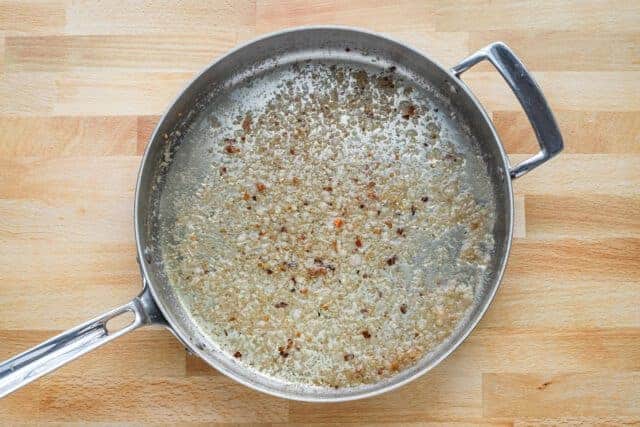
- Add the shallots to the rendered fat in the skillet and sauté for 3 minutes, then add the garlic and sauté for 1 more minute. Deglaze the pan with white wine, if desired, and cook until the wine has evaporated. Add the red pepper flakes or black pepper.1/4 cup finely chopped shallots | 3 cloves garlic (minced) | 1/4 cup dry white wine (optional) | 1/2 tsp red pepper flakes or freshly ground black pepper
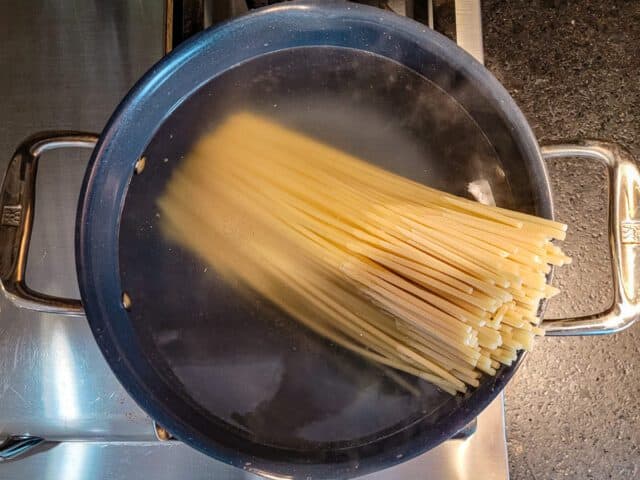
- Add the bucatini to the boiling water and cook for 8 minutes or until al dente.1 pound bucatini (dried)

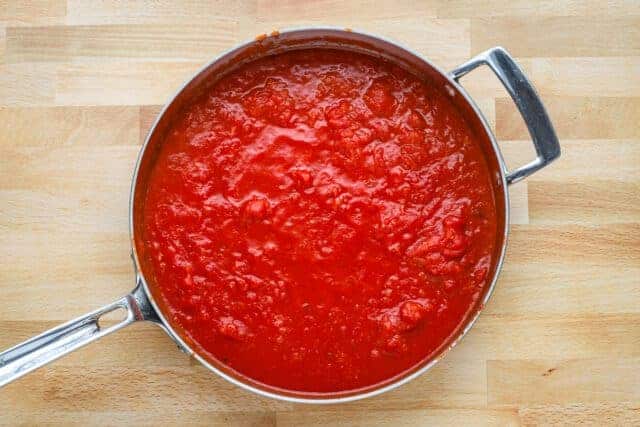
- While the pasta is cooking, add the hand-crushed tomatoes and juices to the pan. Bring to a simmer, reduce the heat to low, and simmer for 8 minutes.1 28-ounce can whole tomatoes ( San Marzano, crushed by hand, with juice)
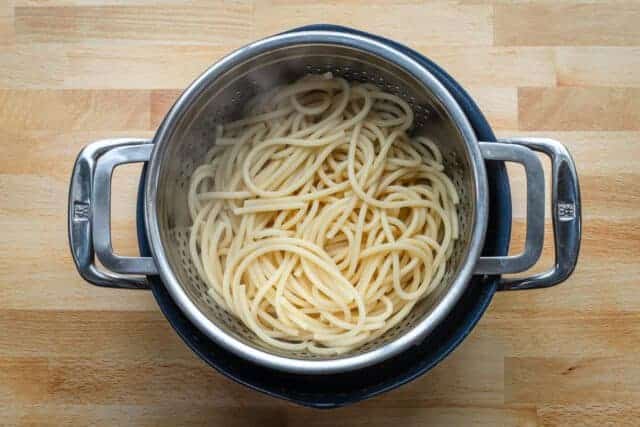
- Reserve 1/2 cup of the pasta cooking water and drain the pasta.
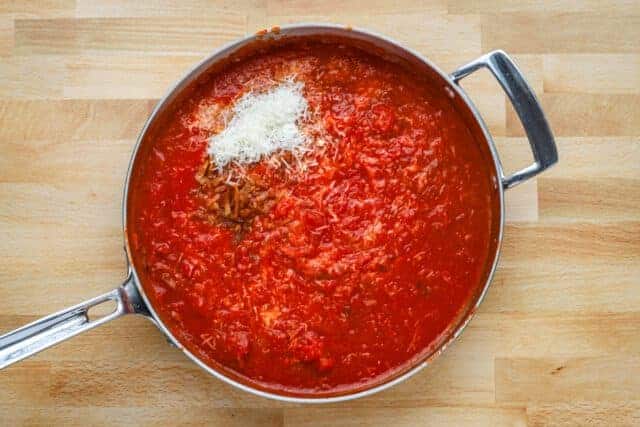
- Reserve 2 to 3 tablespoons of the diced guanciale for garnish and add the rest to the pan along with half of the grated Pecorino.½ cup grated pecorino romano cheese
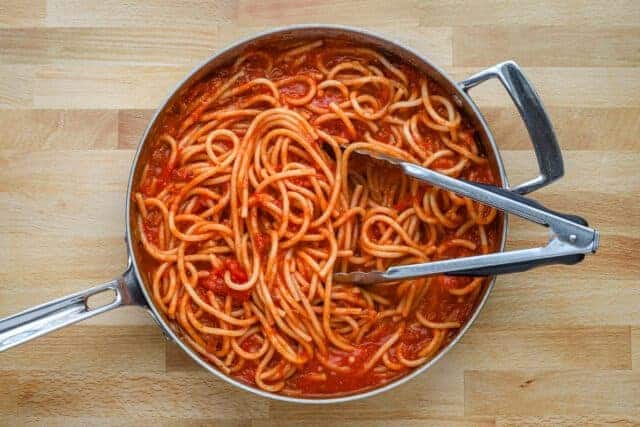
- Add the drained pasta to the sauce and increase the heat to medium-low. Toss until the pasta is well coated with sauce, adding small amounts of the cooking water to loosen and increase the sauciness.
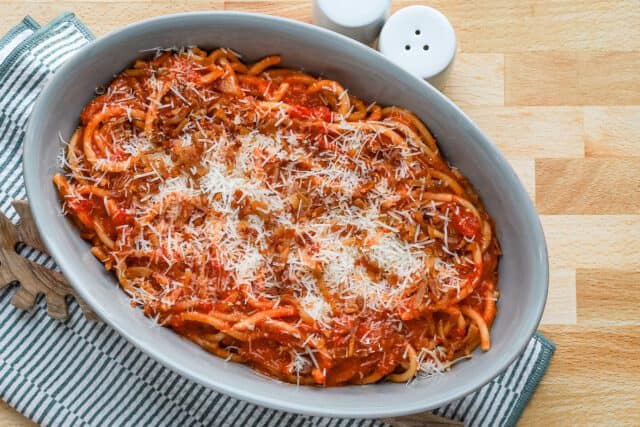
- Serve with the reserved guanciale and remaining grated pecorino.½ cup grated pecorino romano cheese

Notes
- *You’ll reserve a few tablespoons of the diced cooked guanciale for garnish.
- **Half of the Pecorino Romano cheese is added to the pasta, and the rest is reserved for serving.
Nutrition
Disclaimer:
Our nutritional information is based on a third-party application that analyzes the ingredients list to determine the values. The information is meant to be helpful, but should be considered an estimate. Values may differ depending on measurements, brands, serving variations, and database availability.