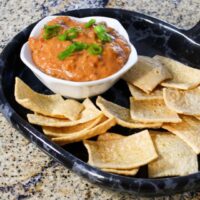
Chili Cheese and Sausage Dip
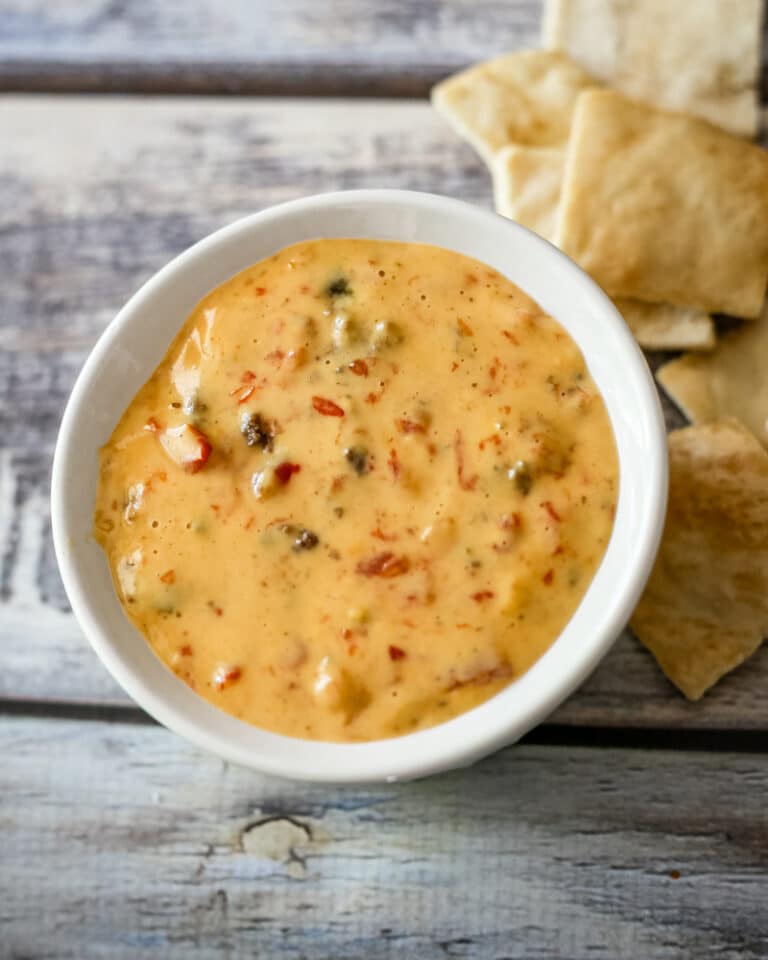
When you need an impressive dip for the office or party but don’t have much time, this chili, cheese, and sausage dip is the perfect solution.

This post may contain affiliate links. See our Privacy Policy.
This chili cheese dip with sausage is the perfect solution for a quick appetizer at an office gathering or holiday party. Just 3 ingredients come together to make this easy, flavorful dip. Throw everything together and serve it right from the crockpot. Take some sturdy chips along for dipping, and be prepared to be asked to bring them again. One reader said the dip is so popular that she takes it to the office monthly!
If you want to jazz the dip up a bit, feel free to add extra ingredients. Sauté some mushrooms, onions, and/or bell peppers until softened and add them. Or add a small can (drained) of sliced ripe olives or mild chile peppers. For the sausage, use chorizo or spicy breakfast sausage. And feel free to replace the sausage meat with browned ground beef or ground turkey. Add some crushed red pepper flakes if you like.
What You’ll Like About This Recipe
Quick and easy. Just three main ingredients and minimal prep.
Perfect party dip. Stays warm in the slow cooker and serves a crowd.
Big, bold flavor. Chili and sausage give this dip plenty of savory punch.
Ingredient Notes
- Velveeta cheese: Melts smoothly and creates a creamy, scoopable dip.
- Canned chili: Use chili without beans for the best texture; mild or spicy both work.
- Ground sausage: Hot or mild sausage can be used depending on your heat preference.
- Dippers: Sturdy tortilla chips, crackers, or bagel chips work best.
Steps to Make Chili Cheese and Sausage Dip
- Cut the cheese into small cubes and place it in the slow cooker with the chili.
- Brown the sausage in a skillet until fully cooked, then drain well.
- Add the cooked sausage to the slow cooker and stir to combine.
- Cook on low until the cheese is melted and the dip is smooth, stirring occasionally.
- Keep warm and serve directly from the slow cooker.
Tips
- Drain the sausage thoroughly to keep the dip from becoming greasy.
- Stir occasionally as the cheese melts to prevent sticking.
- If the dip thickens too much, stir in a small splash of milk to loosen it.
- Use a slow cooker with a warm setting to keep the dip at serving temperature.
Recipe Variations
- Make it spicier. Use hot sausage or add a pinch of cayenne or crushed red pepper.
- Add peppers. Stir in diced jalapeños or green chiles for extra heat.
- Use different cheese. Replace part of the Velveeta with shredded cheddar for sharper flavor.
- Try a beef version. Swap the sausage for seasoned ground beef.
Serving Suggestions
- Serve with tortilla chips, corn chips, or sturdy potato chips.
- Add sliced jalapeños or chopped green onions on top.
- Pair with crackers or bagel chips for variety.
- Choose this dip for potlucks, game days, or office parties.
How to Store
Refrigerate: Store leftover dip in an airtight container for up to 3 days.
Freeze: Freezing is not recommended, as the texture may change.
Reheat: Reheat gently in a saucepan or slow cooker, stirring frequently until smooth.
Chili Cheese and Sausage Dip
Ingredients
- 1 pound Velveeta cheese
- 1 15-ounce can chili , (no beans)
- 1 pound ground sausage, hot or mild
Instructions
- Shred the Velveeta cheese or cut it into small cubes. Put it in the slow cooker with the canned chili.
- Crumble the sausage meat into a large skillet; place the skillet over medium heat. Cook the sausage until it is browned and no longer pink, stirring frequently. Drain well.
- Add the sausage meat to the slow cooker and stir to blend.
- Cook on the low heat setting for about 1 to 2 hours, or until the cheese has melted. Stir frequently.
- Serve the dip hot from the slow cooker along with your choice of taco chips, sturdy potato chips, bagel chips, or crackers.
Nutrition
Disclaimer:
Our nutritional information is based on a third-party application that analyzes the ingredients list to determine the values. The information is meant to be helpful, but should be considered an estimate. Values may differ depending on measurements, brands, serving variations, and database availability.