

This post may contain affiliate links. See our Privacy Policy.
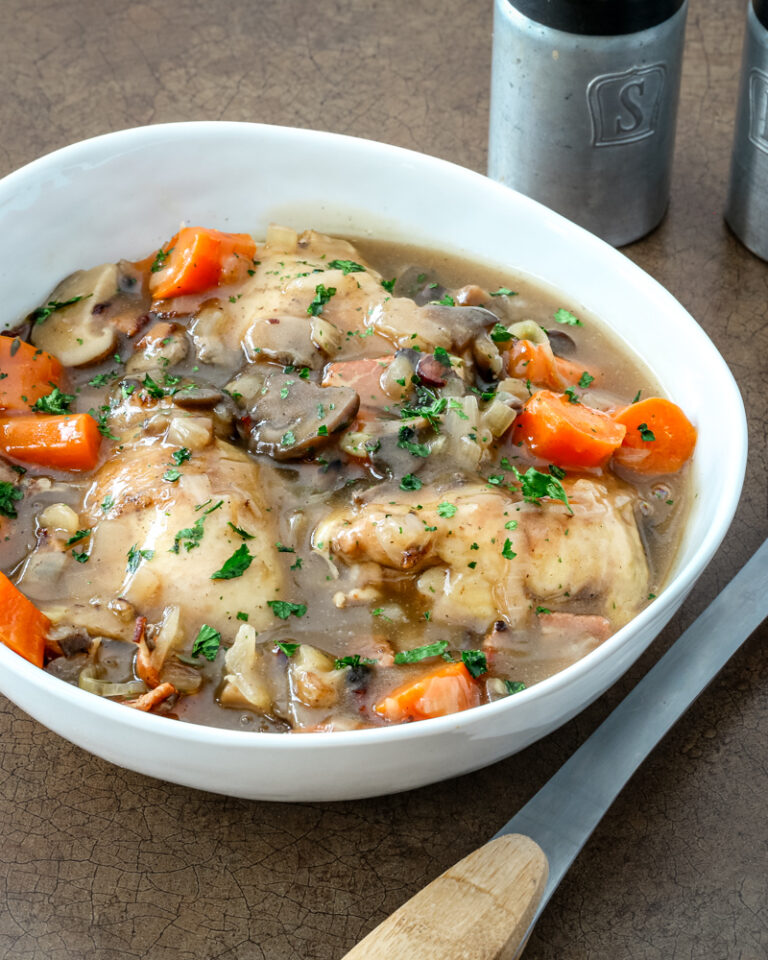
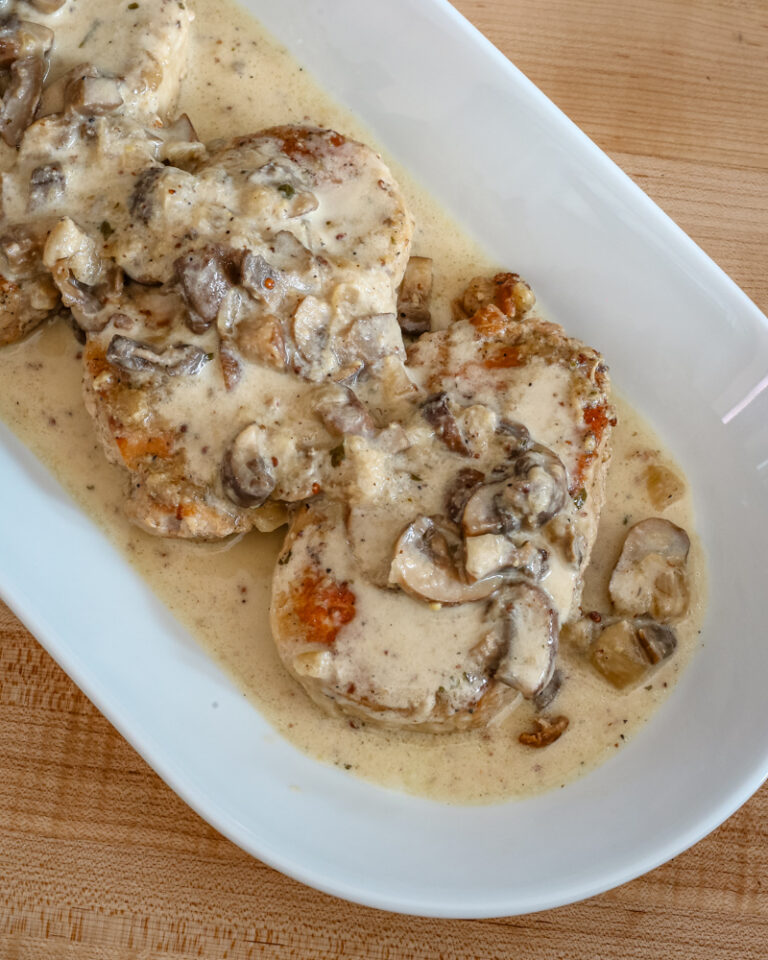
This mushroom ragout is a rich, savory sauce that instantly elevates simple meats like hamburger steaks, sausages, grilled chicken, or steak. The mushrooms are sautéed in butter until tender, then simmered with garlic, beef stock, and a splash of beer for added depth. It’s an easy stovetop sauce that adds warmth and rustic flavor to a wide range of dishes.
You can serve it spooned over meats, poured onto mashed potatoes, or used as a topping for rice or noodles. With just a few ingredients and a quick cooking time, it’s a versatile sauce you’ll want to keep in your recipe rotation.
What You’ll Like About This Dish
Rich and savory. Butter, garlic, mushrooms, and beef stock create a deeply flavorful sauce.
Quick to make. Ready in about 20 minutes, with simple pantry staples.
Versatile. Works with beef, sausages, grilled meats, or even vegetables.
Enhanced flavor. A splash of beer adds subtle complexity without overpowering the sauce.
Ingredient Notes
- Mushrooms – Use sliced button or cremini mushrooms for a classic ragout.
- Butter – Adds richness and helps brown the mushrooms.
- Garlic – A small amount adds aromatic depth.
- Flour – Thickens the sauce to a silky consistency.
- Thyme – A pinch of dried leaf thyme complements the mushrooms.
- Beef stock – Use unsalted or low-sodium so the sauce doesn’t become overly salty.
- Beer – Adds earthy, malty flavor; use any mild lager or ale.
Steps to Make Mushroom Ragout for Beef or Sausages
- Sauté the mushrooms in butter until tender and set aside.
- Melt the remaining butter and cook the garlic briefly.
- Stir in the flour and cook for a minute to form a roux.
- Add the beef stock, beer, and thyme and bring to a simmer.
- Return the mushrooms to the pan and heat through.
- Taste and adjust the seasoning with salt and pepper.
Tips
- Slice mushrooms evenly so they cook at the same rate.
- Use unsalted stock so you can control the seasoning.
- If the sauce thickens too much, thin it with a splash of stock or water.
Recipe Variations
- Add onions. Sauté finely chopped onions with the mushrooms for extra sweetness.
- Make it creamy. Stir in a splash of cream or crème fraîche at the end.
- Boost the herbs. Add a pinch of rosemary or parsley for a different flavor profile.
- Use wine instead of beer. White wine or red wine both work well.
- Add umami. A few drops of Worcestershire sauce deepen the flavor.
Serving Suggestions
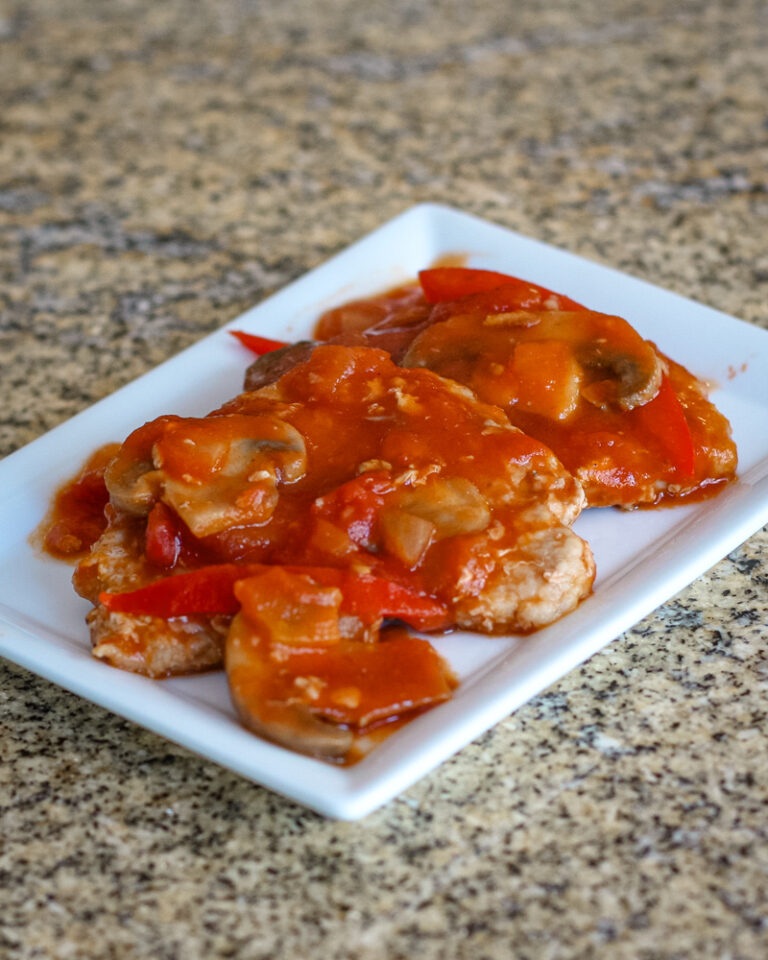
- Serve over hamburger steaks, grilled sausage, or pork chops.
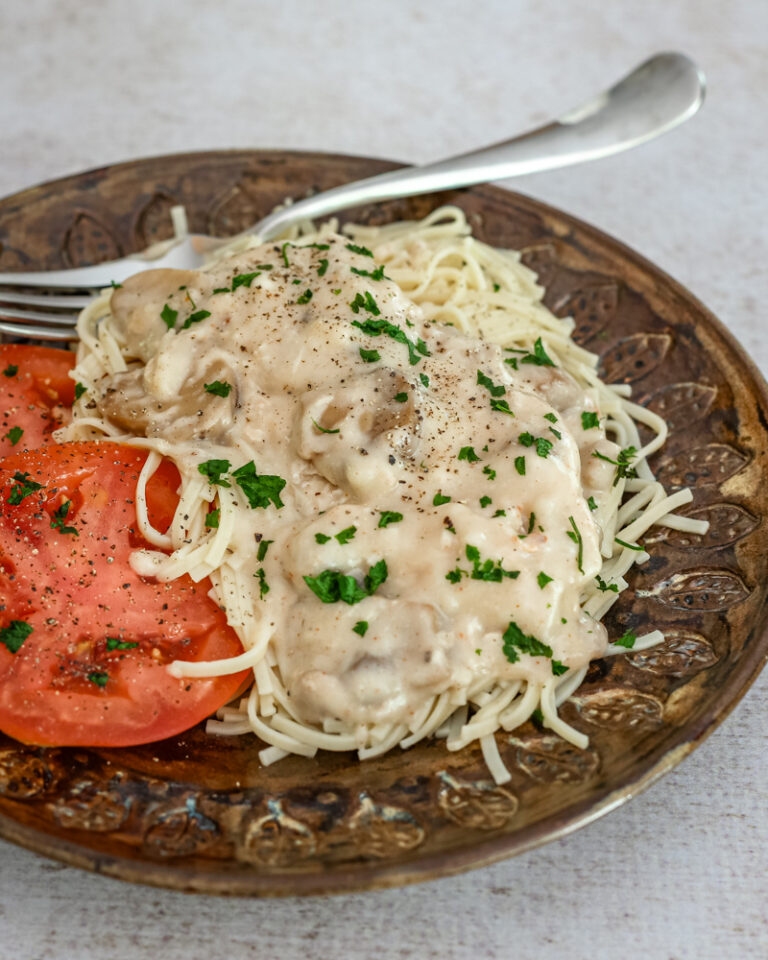
- Pair with mashed potatoes, rice, or buttered noodles.
- Add it to burgers or open-faced sandwiches.
- Garnish with fresh herbs like parsley or chives.
How to Store
Refrigerate: Store in an airtight container for up to 3 days. The flavors continue to deepen as it rests.
Freeze: Freeze for up to 2 months. Thaw in the refrigerator before reheating.
Reheat: Warm gently on the stovetop. Add a splash of stock if the sauce has thickened during storage.

Mushroom Ragout for Beef or Sausages
Ingredients
- 8 ounces sliced mushrooms
- 3 tbsp butter, divided use
- ½ tsp grated garlic
- 1 tbsp flour
- ½ cup beef stock, low sodium or unsalted
- 2 tbsp beer
- ⅛ tsp dried thyme
- Kosher salt and freshly ground black pepper, to taste
Recommended Equipment
Instructions
- Melt 2 tablespoons of butter in a saucepan over medium heat. Add the mushrooms to the saucepan and cook, stirring frequently, for 7 to 10 minutes, or until they are browned and their liquid has evaporated. Remove the mushrooms to a plate and set aside.2 tbsp butter | 8 ounces sliced mushrooms
- Melt the remaining 1 tablespoon of butter in the saucepan. Add the grated garlic and cook for 1 minute. Stir in the flour and cook, stirring, for 1 minute. Add the beef stock, beer, and thyme. Continue cooking until thickened, stirring constantly.1 tbsp butter | 1/2 tsp grated garlic | 1 tbsp flour | 1/8 tsp dried thyme | 1/2 cup beef stock | 2 tbsp beer
- Add the mushrooms back to the saucepan and bring to a simmer. Season to taste with kosher salt and freshly ground black pepper.Kosher salt and freshly ground black pepper
Nutrition
Disclaimer:
Our nutritional information is based on a third-party application that analyzes the ingredients list to determine the values. The information is meant to be helpful, but should be considered an estimate. Values may differ depending on measurements, brands, serving variations, and database availability.