

This post may contain affiliate links. See our Privacy Policy.
Cake flour is a finely milled, low-protein flour made from soft winter wheat. It is known for its ability to produce light, tender baked goods. It has a lower gluten content than all-purpose, creating soft, delicate cakes. Many dessert recipes specifically call for the softer flour to achieve a fine crumb and airy consistency. However, not everyone keeps cake flour in their pantry, and running to the store in the middle of baking isn’t always an option.
Fortunately, you can create a simple and effective substitute for cake flour using two everyday pantry staples: all-purpose flour and cornstarch. While all-purpose has a higher protein content and a coarser texture, incorporating a small amount of cornstarch helps to soften the mixture and mimic some of the properties of cake flour. Cornstarch also inhibits gluten development, making the final baked product lighter and fluffier.
Although this homemade substitute isn’t an exact match for store-bought, it’s a reliable option that works well in most recipes. Whether baking a classic lemon cake, delicate cupcakes, or a tender pound cake, this easy swap ensures you can still achieve a delicious result.
What You’ll Like About This Dish
Easy and reliable. You only need two everyday ingredients to make a great substitute.
Lighter texture. Cornstarch softens the flour blend, mimicking real cake flour.
Perfect for baking. Works well in cakes, muffins, and tender baked goods.
No extra shopping. Convenient when you’re out of cake flour but already mid-recipe.
Ingredient Notes
- All-purpose flour: The base of the substitute—measure lightly for best results.
- Cornstarch: Lightens the flour and reduces gluten formation to mimic cake flour.
Steps to Make Cake Flour Substitute
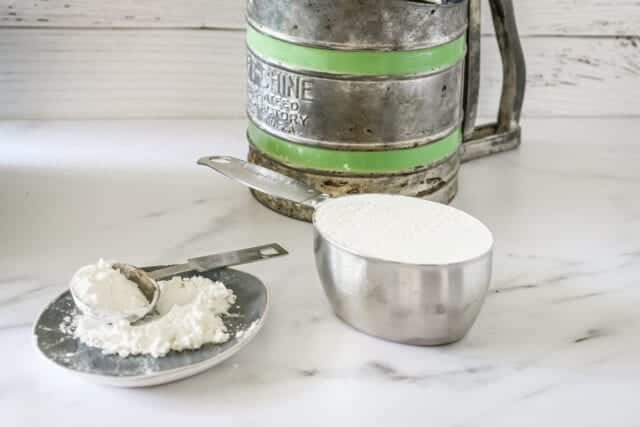
- Loosen and measure the all-purpose flour using the spoon-and-sweep method.
- Remove two tablespoons of the measured flour.
- Replace those two tablespoons with cornstarch.
- Whisk or sift the mixture well to distribute the cornstarch evenly.
- Use the substitute as you would cake flour in your recipe.
Tips
- Sift the mixture at least once—twice for extra-fine texture.
- Use the spoon-and-sweep method to avoid packing too much flour.
- If a recipe calls for more than 1 cup of cake flour, scale the substitution proportionally.
- For very delicate cakes, sift the flour mixture over a piece of parchment before adding to batter.
- Store extra substitute in an airtight container for short-term use.
Recipe Variations
- Extra-fine version: Sift the mixture 2 to 3 times for cakes that require a very light crumb.
- Vanilla cake prep: Add a pinch of cornstarch to each cup of flour in any recipe needing a more tender texture.
- DIY cake flour blend: Mix a larger batch (e.g., 4 cups flour + 1/2 cup cornstarch) and store for quick use.
- Chocolate cake use: Ideal for cocoa-based batters that already need lighter flour.
- Cupcake-ready mix: Add the same ratio of cornstarch to flour when making muffins and cupcakes for softer results.
Serving Suggestions
- Use in cupcakes, layer cakes, and snack cakes.
- Pair with recipes calling for a tender crumb, like chiffon or sponge cakes.
- Add to muffins, quick breads, or coffee cakes for a lighter texture.
- Garnish baked goods with powdered sugar after baking for a quick finish.
How to Store
Refrigerate: Storage is not necessary; keep the dry mixture in an airtight container at room temperature for several weeks.
Freeze: Freezing is unnecessary, but both all-purpose flour and cornstarch can be frozen for long-term storage if desired.
Reheat: Not applicable—use as you would any dry baking ingredient.
You Might Also Like
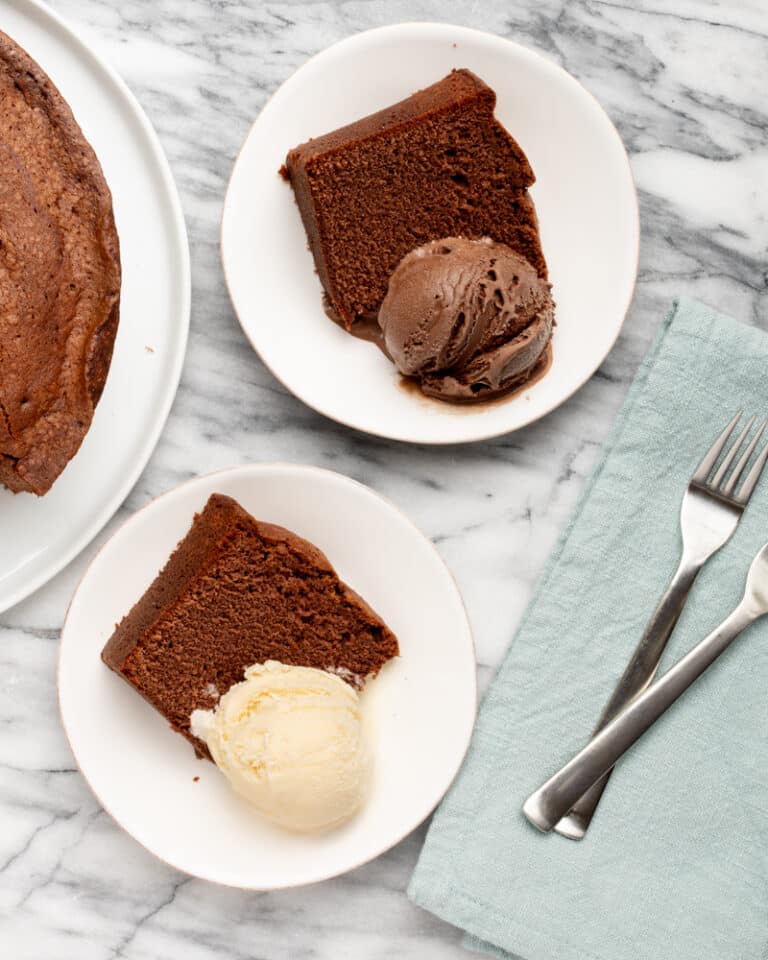
- Chocolate Sponge Cake made with cake flour.
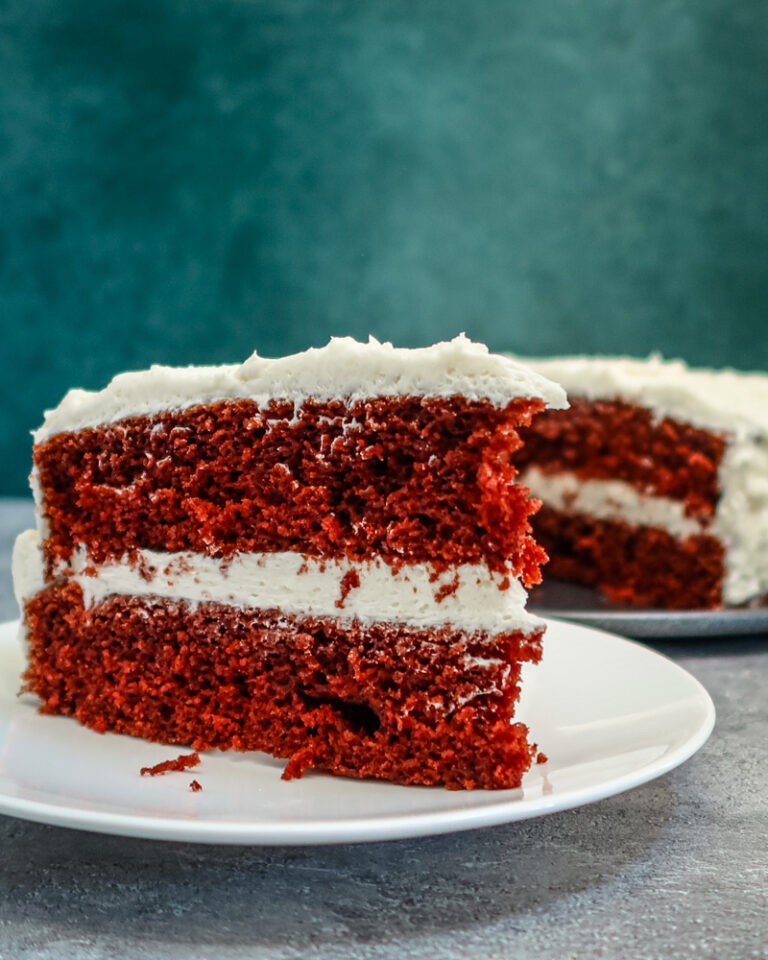
- Red Velvet Cake With Ermine Frosting
- Boston Cream Pie
- Brown Sugar Pound Cake
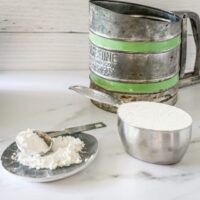
Cake Flour: How to Make Cake Flour Substitute
Ingredients
- ⅞ cup all-purpose flour
- 2 tbsp cornstarch
Recommended Equipment
Instructions
- Measure the Flour Properly. Start by stirring the all-purpose flour to loosen it. Then, use the spoon and sweep method: Spoon the flour into a 1-cup dry measuring cup until it overflows. Use the back of a butter knife or the straight edge of a wooden spoon to level off the excess without packing it down.7/8 cup all-purpose flour
- Replace Some Flour with Cornstarch. Remove 2 tablespoons of the flour (discard or save for another use). Replace the removed flour with two tablespoons of cornstarch.2 tbsp cornstarch
- Combine and Sift. Whisk or sift the flour and cornstarch together at least once to ensure they are evenly distributed. Sifting helps create a finer texture, more closely resembling cake flour.

- Now, your homemade cake flour substitute is ready to use! Simply measure it as you would store-bought cake flour in your recipe.