Classic Basil Pesto
Explore the world of classic pesto! This recipe combines basil, garlic, pine nuts, and Parmesan for a versatile and delicious sauce.

This post may contain affiliate links. See our Privacy Policy.
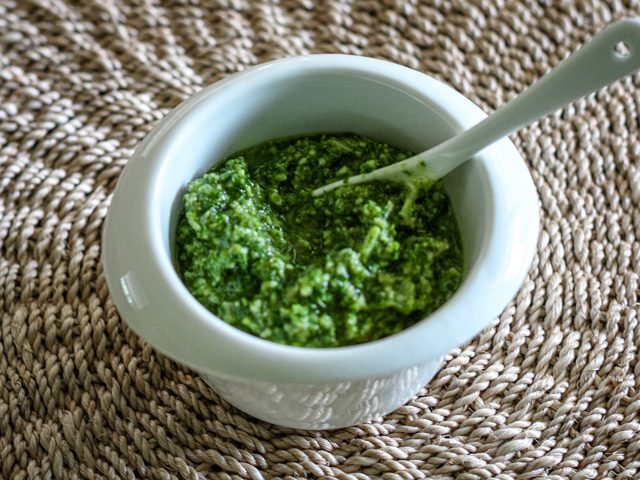
Classic basil pesto is one of the most versatile sauces you can keep in your kitchen—vibrant green, fragrant, and richly flavored with garlic, olive oil, nuts, and Parmesan. It comes together in minutes but tastes complex, thanks to the bright herbiness of fresh basil and the savory depth of cheese and toasted nuts. A small spoonful instantly transforms pasta, chicken, seafood, vegetables, sandwiches, and even soups.
What makes pesto especially appealing is how adaptable it is. A food processor makes quick work of the basil, garlic, and nuts, and the consistency can range from thick and spreadable to loose and pourable depending on how you use it. Whether you’re dressing a warm bowl of pasta or dolloping it over roasted vegetables, homemade pesto delivers freshness and intensity that jarred versions can’t quite match.
What You’ll Like About This Recipe
- Fresh, vibrant flavor. The combination of basil, garlic, nuts, and Parmesan creates a sauce that tastes bright and herbaceous, with just enough richness to balance the sharpness of the cheese and the bite of the garlic.
- Extremely versatile. Pesto works as a pasta sauce, sandwich spread, marinade, pizza drizzle, or finishing touch for vegetables and soups. A single batch can enhance several meals throughout the week.
- Quick to prepare. With a food processor, the sauce comes together in just a few minutes. There’s no cooking involved—just pulsing, seasoning, and adjusting the texture to your liking.
- Customizable ingredients. While basil and pine nuts are classic, this recipe allows easy substitutions such as walnuts, pecans, or even a blend of herbs. It’s a flexible recipe that suits both budget and availability.
- Better than store-bought. Fresh basil and good-quality olive oil make a noticeable difference in flavor and aroma, producing a brighter, fresher pesto than most jarred varieties.
Ingredient Notes
- Fresh basil – Use firm, bright green leaves packed tightly in the measuring cup. Younger leaves tend to be sweeter and more fragrant, while older leaves can be slightly peppery.
- Garlic – Small cloves work well here, offering punch without overpowering the basil. For a milder pesto, lightly smash and soak the garlic in lemon juice or water for a few minutes before processing.
- Pine nuts – Traditional to Italian pesto, but often expensive. Walnuts or pecans are excellent substitutes and bring a slightly different flavor profile while still giving the sauce body.
- Olive oil – A good-quality extra-virgin oil adds fruitiness and richness. Choose an oil you enjoy on its own; its flavor is central to the pesto.
- Parmesan cheese – Freshly grated Parmesan delivers the best texture and sharpness. Pecorino Romano can be used for a saltier, more assertive pesto.
Steps to Make Classic Pesto
- Begin by pulsing the basil in batches so it breaks down evenly without bruising too quickly. This helps the pesto maintain its bright green color.
- Add the garlic and nuts and pulse until the mixture becomes coarse and fragrant. The nuts should be chopped, not fully pureed.
- Pour in about half of the olive oil and pulse to start forming the sauce. This initial amount helps the mixture blend more smoothly.
- With the processor running, drizzle in the remaining oil in a steady stream. This creates an emulsified sauce with a silky texture.
- Add the Parmesan cheese and process briefly until everything is incorporated.
- Taste and adjust seasoning with salt and pepper, adding more cheese or oil if you prefer a thicker or looser consistency.
Pro Tips
- Toast the nuts lightly before blending to deepen their flavor and prevent bitterness.
- Keep ingredients cool to help the pesto stay bright green; basil can darken if overheated in the processor.
- Scrape the bowl a few times during processing to ensure even texture.
- Adjust the oil depending on how you plan to use the pesto—thicker for spreads, thinner for pasta.
- Add cheese last so it doesn’t overprocess and become grainy.
Recipe Variations
- Spinach-basil pesto. Replace half the basil with fresh spinach for a milder flavor and a vibrant green color that holds well over time.
- Walnut pesto. Use walnuts instead of pine nuts for an earthier, more budget-friendly version with a slightly creamy finish.
- Lemon pesto. Add lemon zest and a splash of lemon juice to brighten the flavors and prevent the basil from oxidizing as quickly.
- Pecorino Romano pesto. Swap Parmesan for Pecorino to create a saltier, sharper pesto with a more assertive bite.
- Mixed-herb pesto. Blend basil with parsley, mint, or arugula for a more complex herbaceous flavor and added freshness.
Serving Suggestions
- Serve tossed with warm pasta, using a splash of pasta water to help it coat the noodles.
- Add it to grilled chicken, shrimp, or fish to create instant flavor with minimal effort.
- Pair with crusty bread or crostini as a simple appetizer or snack.
- Choose to drizzle pesto over pizza, roasted vegetables, or tomato salads for a bright finishing touch.
How to Store
- Refrigerate: Store pesto in an airtight container for up to 5 days. Press plastic wrap directly onto the surface or top with a thin layer of olive oil to prevent discoloration.
- Freeze: Spoon pesto into small containers or ice cube trays and freeze for up to 3 months. Thaw only what you need for quick meals.
- Refresh: Stir in a splash of olive oil after refrigeration or freezing to restore the sauce’s silky consistency.
Classic Pesto
Ingredients
- 2 cups basil leaves, fresh , packed
- 3 small cloves garlic, finely minced
- ¼ cup pine nuts , or chopped walnuts or pecans
- ½ cup olive oil, divided
- ⅓ cup grated Parmesan cheese, fresh
- Salt and freshly ground black pepper, to taste
Instructions
- In a small or medium food processor, working in batches, process the basil leaves until finely chopped.
- Add the garlic and nuts and pulse about 6 to 8 times.
- Add about half of the olive oil pulse until blended.
- With the processor running, add the remaining olive oil in a steady stream.
- Add the Parmesan cheese and process until well blended.
- Taste and add salt and pepper, as needed.

Nutrition
Disclaimer:
Our nutritional information is based on a third-party application that analyzes the ingredients list to determine the values. The information is meant to be helpful, but should be considered an estimate. Values may differ depending on measurements, brands, serving variations, and database availability.