Roasted Garlic (And How To Use It)
Roasted garlic is a great way to add flavor to just about any appetizer, main dish, or side dish, and it makes an excellent spread for toasted baguette slices.

This post may contain affiliate links. See our Privacy Policy.
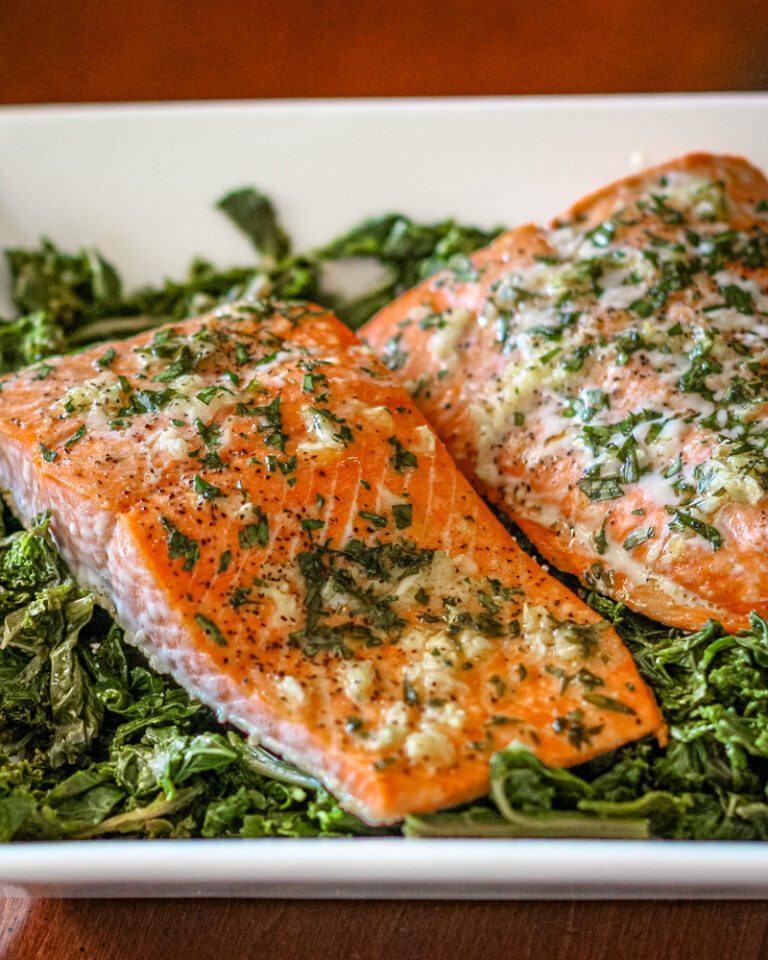
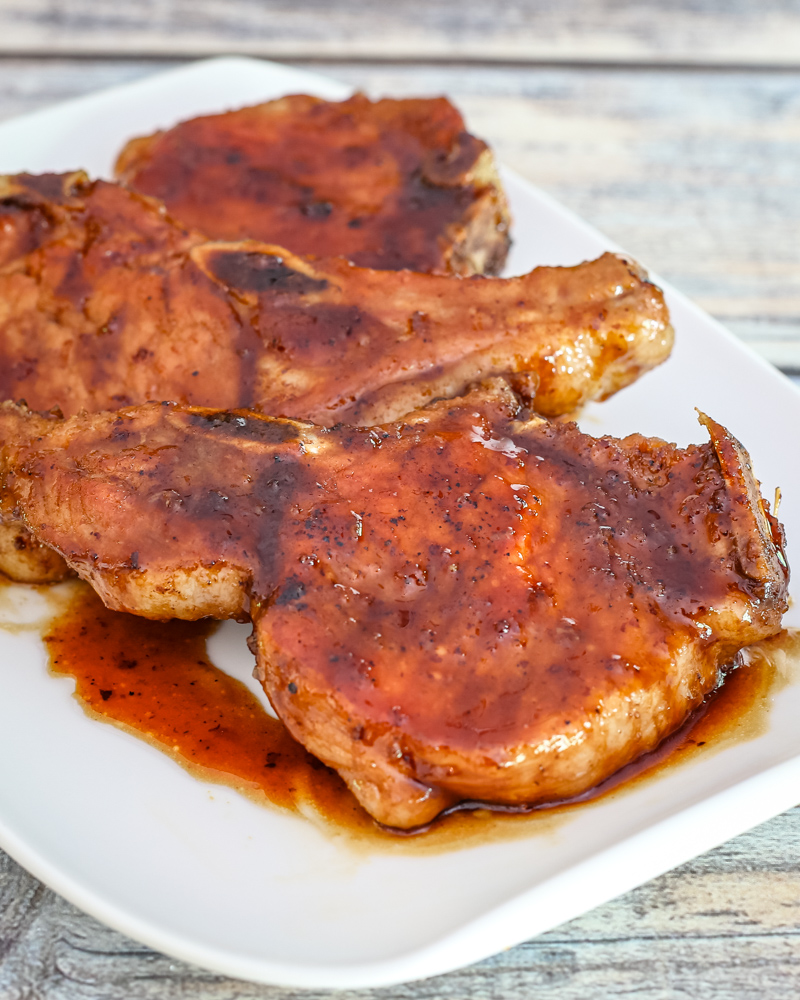
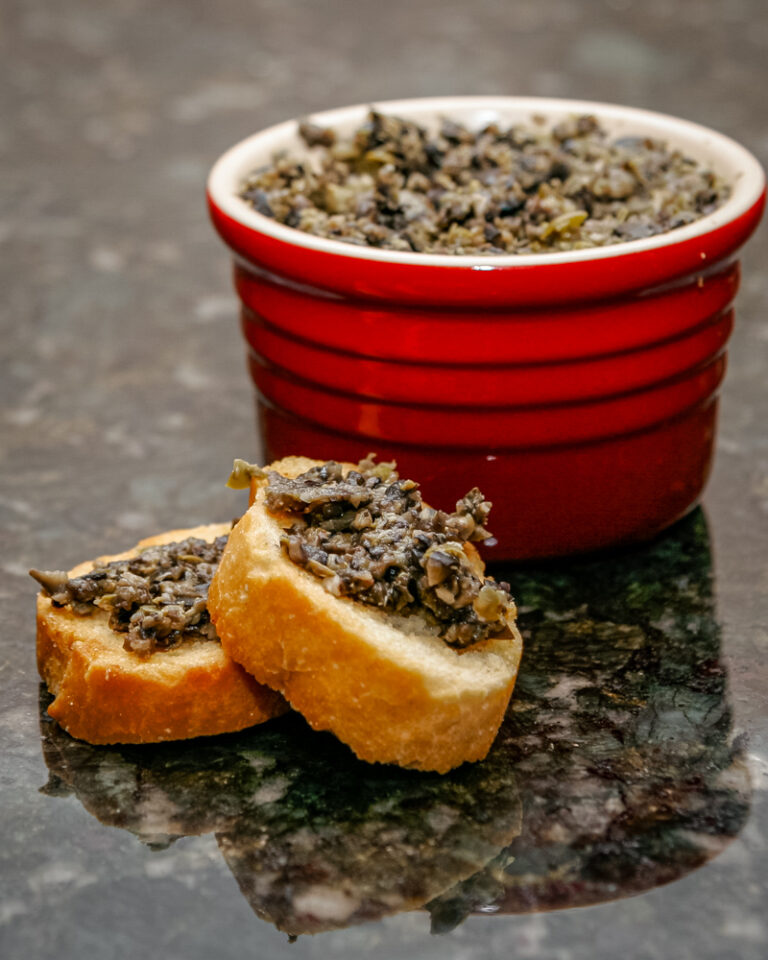
This simple roasted garlic is an excellent way to add flavor to dishes. Spread some on a sandwich or toasted baguette slices (crostini) or stir some into steamed veggies, hummus, or cheese dip. Or use it to add flavor to plain baked or oven-fried chicken. Rub it over a pork roast, whole chicken, or beef roast before it goes into the oven.
You can scale the recipe up to roast several garlic bulbs, and if you make more than you need, it can be frozen. Just mash it and freeze it in mini ice cube trays or wrap a whole bulb in foil and freeze it in a freezer bag.
What You’ll Like About This Dish
Soft, mellow flavor. Roasting turns sharp garlic into something sweet, creamy, and mild.
Effortless technique. Just trim, oil, wrap, and roast—no special tools or skills needed.
Endlessly versatile. Add it to sauces, potatoes, veggies, meats, spreads, and more.
Great make-ahead. Roast several bulbs and keep them on hand to upgrade quick meals.
Ingredient Notes
- Garlic bulb – Use a whole head; larger bulbs yield more soft, spreadable cloves.
- Olive oil – Helps the garlic caramelize and soften.
- Salt – A pinch brings out the sweetness and enhances the flavor.
Steps to Make Roasted Garlic
- Prepare the garlic by removing the loose outer layers.
- Slice off the top of the bulb to expose the cloves.
- Drizzle with oil and sprinkle lightly with salt.
- Wrap or cover the garlic and roast until soft and golden.
- Squeeze the cloves out and mash or use as desired.
Tips
- Roast in batches. Make several bulbs at once for easy meal prep.
- Prevent scorching. Add a small splash of oil to the baking dish if the garlic cooks uncovered.
- Keep it covered. Covering the garlic helps it steam and soften instead of drying out.
- For extra-mild flavor. Roast at a slightly lower temperature for a longer time.
Recipe Variations
- Herb roasted. Add rosemary, thyme, or sage around the garlic before roasting.
- Foil-wrapped. Wrap the bulb tightly for minimal cleanup and ultra-soft cloves.
- Oil-poached garlic. Slow-cook peeled cloves in olive oil for a confited texture.
- Smoky version. Sprinkle a pinch of smoked paprika on top before roasting.
Serving Suggestions
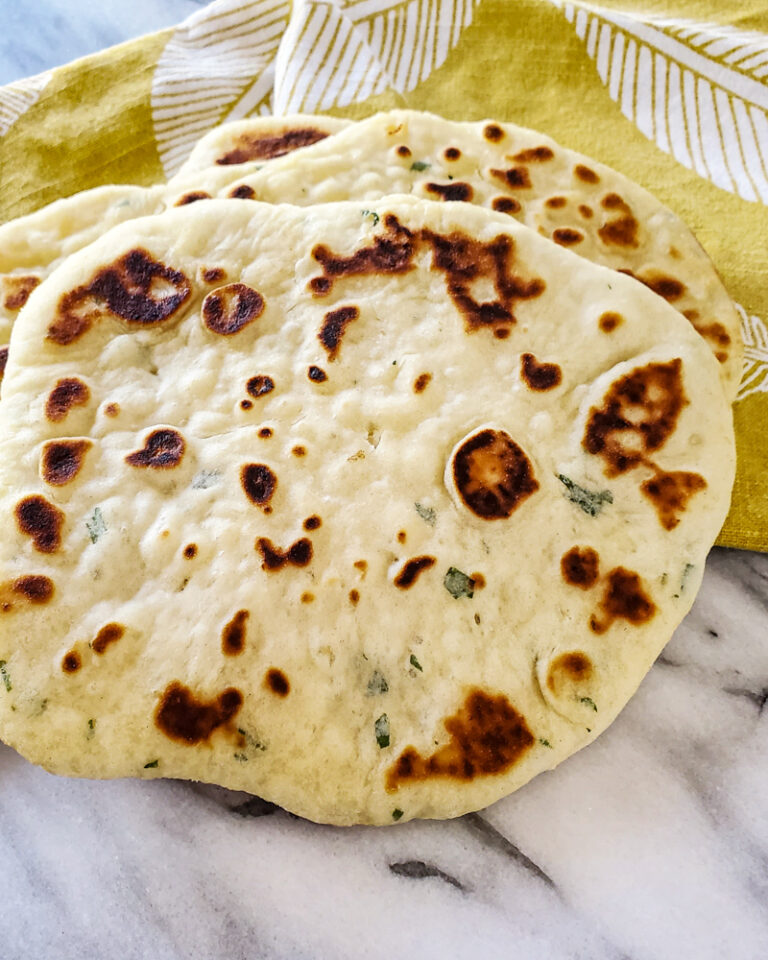
- Spread onto warm baguette slices or toast.
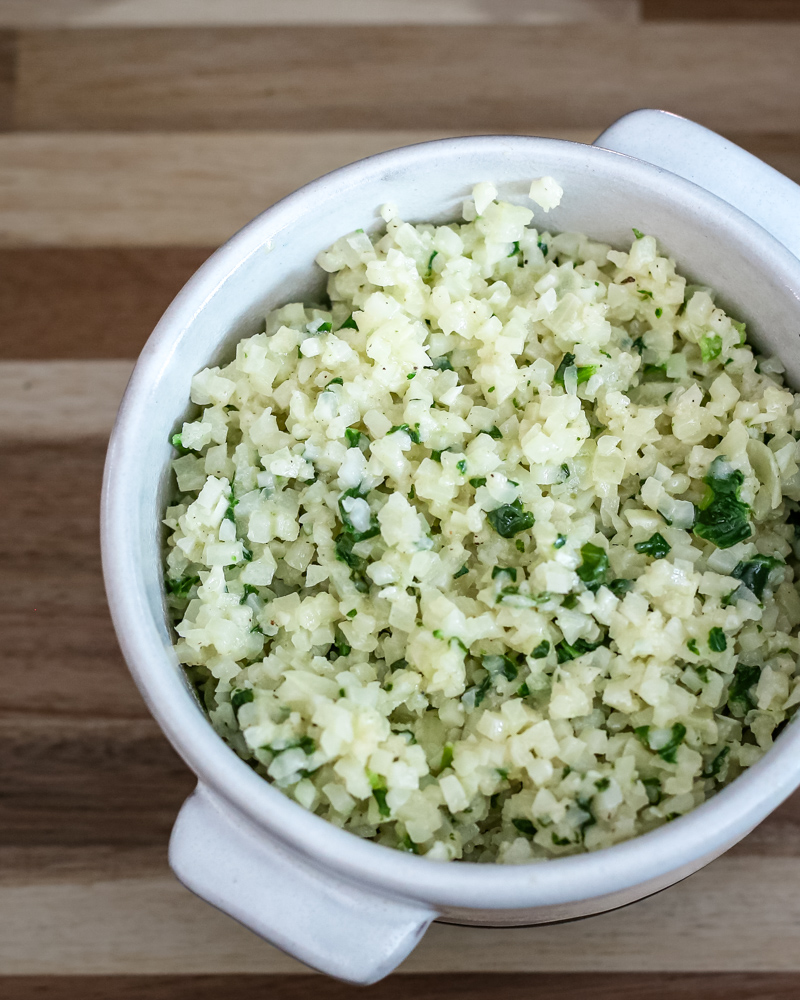
- Stir into mashed potatoes or cauliflower mash.
- Whisk into dressings or vinaigrettes.
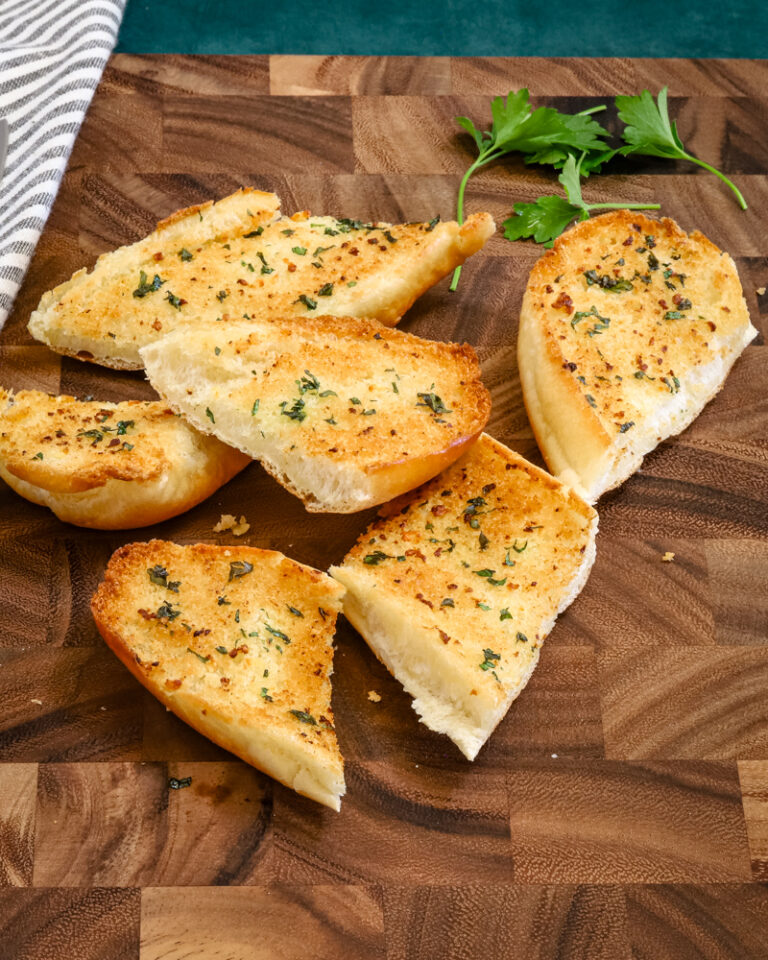
- Fold into butter for garlic bread or steaks.
- Add to pasta sauces, soups, or pan sauces.
How to Store (and Reheat)
Refrigerate roasted garlic in an airtight container for up to 4 days. For easiest use, squeeze the cloves into a small jar and cover with a thin layer of olive oil.
To freeze, mash the garlic and portion it into small spoonfuls on a parchment-lined sheet. Freeze until firm, then transfer to a freezer bag for up to 3 months.
To use, simply stir the roasted garlic into warm dishes; it reheats instantly as part of the recipe.
Roasted Garlic (And How To Use It)
Ingredients
- 1 whole bulb garlic
- 2 teaspoons olive oil
- Dash sea salt, or kosher salt
Instructions
- Heat the oven to 400 F.
- Remove the outer paper layers from a head of garlic.
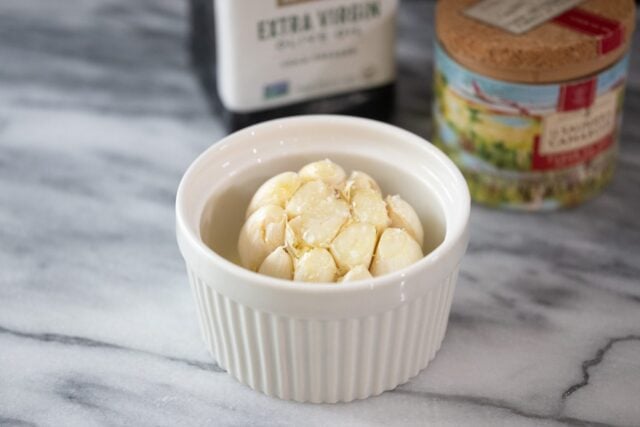
- Cut about 1/2 inch off the top of the head, exposing the tops of most of the cloves. Place the garlic in a ramekin or small oven-safe pan and drizzle with 1 to 2 teaspoons of olive oil and sprinkle lightly with sea salt or kosher salt.

- Cover with foil. Roast the garlic at 400 F for 30 to 40 minutes, or until the garlic is soft and tender.
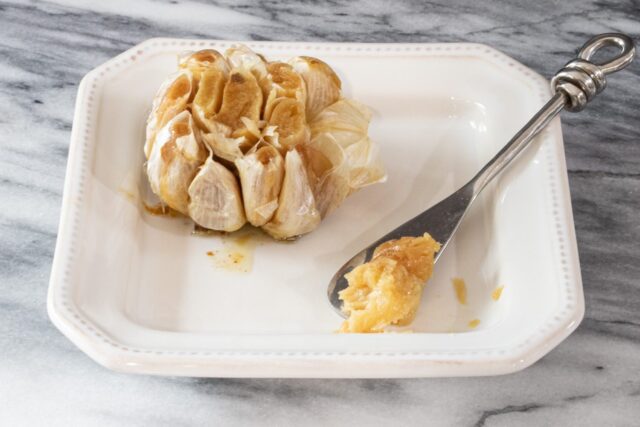
- Squeeze the soft garlic out into a small bowl and mash; add to salad dressing, potatoes, vegetables, or meat dishes.

- Roast as many heads as you like. For less mess, wrap the garlic in oiled heavy duty foil and set the wrapped cloves in a baking dish.

Nutrition
Disclaimer:
Our nutritional information is based on a third-party application that analyzes the ingredients list to determine the values. The information is meant to be helpful, but should be considered an estimate. Values may differ depending on measurements, brands, serving variations, and database availability.