Delicious Egg Salad
Discover the versatility of egg salad! From sandwiches to salads, this recipe offers a creamy texture, crunch, and a burst of flavor!

This post may contain affiliate links. See our Privacy Policy.
Egg salad is a simple, dependable lunch option that can be adjusted to your taste and made with ingredients you likely already have on hand. With its creamy texture, satisfying richness, and bright flavor, it’s a go-to option for easy lunches, picnics, or light dinners. It makes fabulous sandwiches, and it’s also excellent served as a luncheon salad on spring greens. Serve it as a filling between sliced toasted bread, in pita pockets, wraps, croissants, split biscuits, brioche buns, or lettuce leaves. Try it on these bacon and chive biscuits!
The creamy mayonnaise dressing is flavored with some mustard and a bit of lemon juice, and the salad gets crunch from finely chopped celery and red onion. Feel free to customize it with your favorite additions!
What I Love About This Recipe
- Straightforward ingredients. The recipe uses common items—eggs, celery, onions, mayonnaise, mustard—and turns them into something satisfying without extra steps or equipment.
- Balanced texture. The combination of chopped celery and onion adds light crunch without overwhelming the softer egg mixture. You can mash or chop the eggs to your preferred consistency.
- Customizable flavor. Lemon juice and mustard brighten the salad, but you can easily adjust the seasonings to make it tangier, milder, or slightly spicy. Fresh herbs also work well.
- Convenient for lunches. Egg salad keeps well in the refrigerator and can be portioned for sandwiches, wraps, or simple plates with crackers or vegetables.
- Adaptable for different servings. Serve it in a sandwich, spoon it onto lettuce, or use it as a topping for toast or grain bowls. It works in both casual and more composed meals.
Ingredient Notes
- Eggs – Use large eggs and cool them in ice water so they peel cleanly. Older eggs often peel more easily than very fresh ones.
- Celery – Adds crisp texture and keeps the salad from feeling too rich. Finely chop it so the pieces blend evenly.
- Red onion – Gives mild sharpness and color. If you prefer a softer onion flavor, briefly rinse the chopped onion under cold water.
- Mayonnaise – Regular or light versions both work. Adjust the amount based on whether you prefer a thicker or creamier salad.
- Lemon juice – Brightens the flavor and helps balance the mayonnaise.
- Mustard – Dijon adds mild sharpness and depth; yellow mustard produces a more familiar deli-style flavor.
- Salt and pepper – Add gradually and adjust at the end. The seasoning level depends on the mayonnaise and mustard you use.
Steps to Make Egg Salad
- Place the eggs in a large saucepan and cover with cold water. Bring to a boil over high heat, then cover and remove from heat. Let stand for 12 minutes, then cool in ice water for 5 minutes.
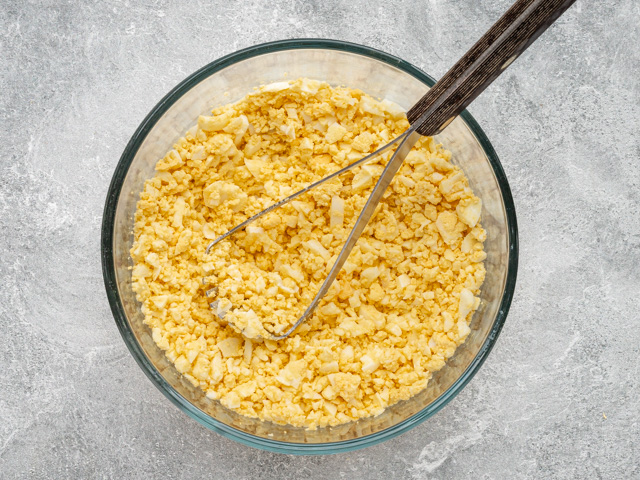
- Peel the cooled eggs and place them in a bowl. Chop or mash to your desired consistency.
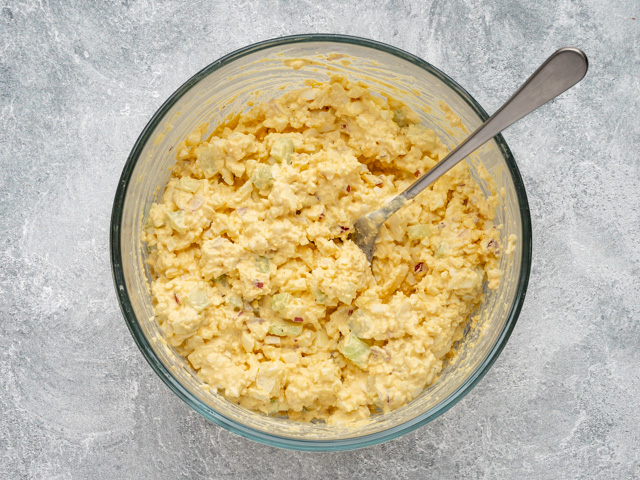
- Add the chopped celery, red onion, mayonnaise, lemon juice, mustard, salt, and pepper. Mix well until the salad is evenly combined.
- Taste and adjust seasoning, adding more salt, pepper, or mayonnaise as needed.
- Chill the salad for at least 30 minutes for best flavor. Serve as sandwiches, in wraps, or over greens.
Tips for Perfect Egg Salad
- Use eggs that are several days old—they’re easier to peel than very fresh eggs.
- Instant Pot method: Cook on high pressure for 3 minutes, naturally release for 4 minutes, then quick release and ice bath.
- For chunkier salad, chop eggs coarsely; for smoother salad, mash or finely chop.
- Chilling the salad for 30 to 60 minutes helps meld the flavors.
Recipe Variations
- Curry: Add a dash of curry powder for a delightful curry flavor.
- Relish: Add 1 to 2 tablespoons of dill relish to the mayonnaise mixture and omit the lemon juice.
- Hot Sauce: Add a dash of hot sauce for a little heat and tanginess.
- Herbs: A tablespoon of chives, parsley, or dill can add color and complementary flavor.
- Paprika: Sprinkle the egg salad with paprika for a pop of color.
- Avocado version. Replace part of the mayonnaise with mashed avocado for a milder, slightly greener salad.
- Greek yogurt version. Replace half of the mayonnaise with yogurt for a lighter texture and a subtle tang.
Serving Suggestions
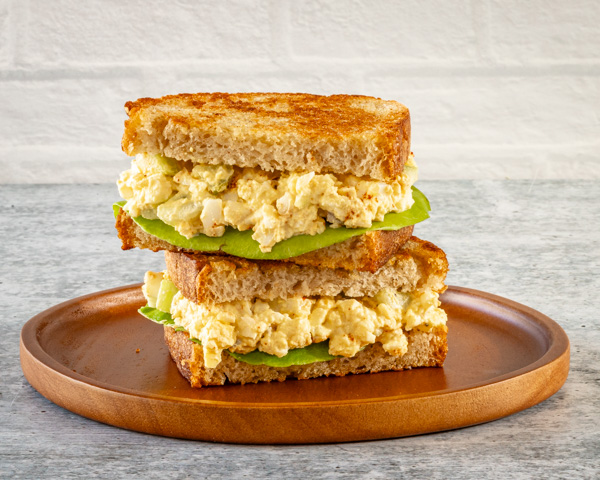
- Serve in sandwiches on toasted bread with lettuce for a classic lunch.
- Add to croissants, split biscuits, or brioche buns for a more indulgent meal.
- Spoon into pita pockets or wraps for an easy handheld option.
- Pile on top of salad greens or lettuce cups for a light, low-carb plate.
- Pair with soup or fruit for a balanced lunch.
How to Store Egg Salad
Refrigerate: Store leftover egg salad in an airtight container in the refrigerator for up to 3 days.
Do not freeze: Freezing is not recommended, as the texture becomes watery and unpleasant when thawed.
Before serving: Stir well before serving, especially if it’s been chilled for more than a few hours.

Delicious Egg Salad
Ingredients
- 8 large eggs
- 3 tablespoons celery, finely chopped
- 2 tablespoons red onion, finely chopped
- ⅓ cup mayonnaise
- 2 teaspoons lemon juice
- 2 teaspoons Dijon mustard, or yellow mustard
- ¼ teaspoon salt, or to taste
- ¼ teaspoon freshly ground black pepper
Instructions
- Cook the Eggs: Put the eggs in a large saucepan and cover with cold water. Bring to a boil over high heat, then cover with a lid and remove from the heat. Let stand for 12 minutes, then place in ice water and let them cool for 5 minutes.

- Prepare the Eggs: Peel the eggs and transfer them to a bowl. Chop or mash as desired.
- Finish the Dish: Add the celery, onion, mayonnaise, lemon juice, mustard, salt, and pepper; mix thoroughly until well blended. Taste and adjust seasonings with more salt if needed, or add more mayonnaise for a creamier texture.
- Serve: Serve the egg salad in sandwiches or mound it on lettuce leaves for a lighter luncheon salad.


Nutrition
Disclaimer:
Our nutritional information is based on a third-party application that analyzes the ingredients list to determine the values. The information is meant to be helpful, but should be considered an estimate. Values may differ depending on measurements, brands, serving variations, and database availability.