Cookie Crumb Crust
Enhance the flavors of your pie with a cookie crumb crust. Whether it’s chocolate, key lime, or no-bake, this sweet crust is a great choice.

This post may contain affiliate links. See our Privacy Policy.
This cookie crumb crust is a handy little base to keep in your recipe folder for any time you’re making a cream pie, cheesecake, or no-bake dessert. Instead of fussing with rolling pastry, you simply combine crushed cookies with sugar and melted butter, then press the mixture into the pan for a sweet, sturdy crust.
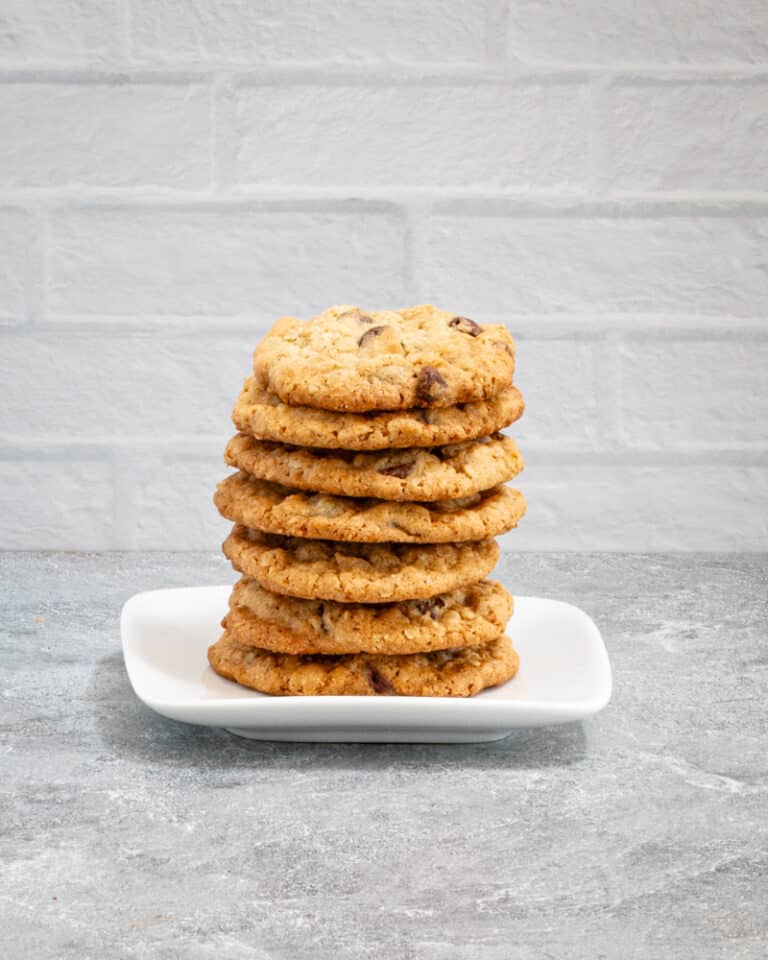
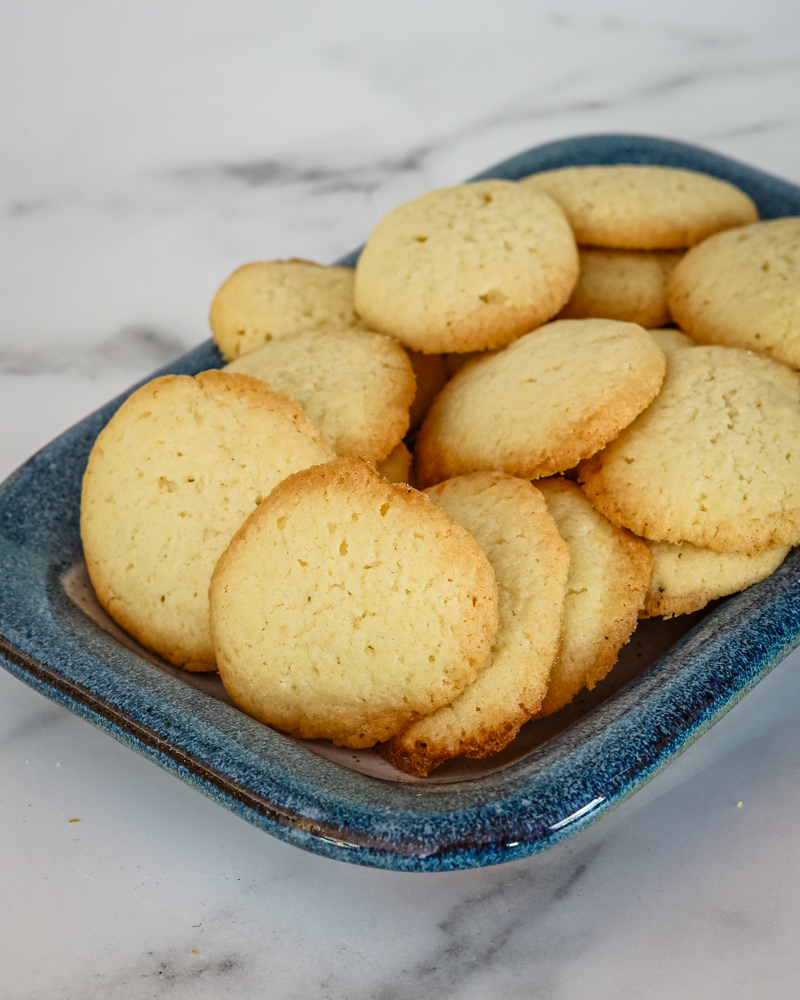
You can use just about any crisp cookie you like—chocolate wafers, vanilla cookies, gingersnaps, or sandwich cookies without the filling scraped out. With a quick chill or a short bake in the oven, the crumbs set up into a crust that slices neatly and adds extra flavor to everything from chocolate pies to citrusy key lime fillings.
What You’ll Like About This Recipe
- Quick and no-roll. There’s no need for a rolling pin or chilling pastry dough; once the cookies are crushed and mixed with butter, the crust is ready to press into the pan and use.
- Endlessly adaptable. Different cookies completely change the personality of the crust. Use chocolate cookies for rich chocolate pies, vanilla or shortbread crumbs for fruit fillings, or gingersnaps for pumpkin or spice-based desserts.
- Great for using up cookies. This is an ideal way to use that half-empty sleeve of cookies or broken pieces at the bottom of the box. As long as they’re crisp, they can be turned into a crust.
- Works for baked and no-bake pies. You can simply chill the crust for no-bake fillings or give it a short bake to set it more firmly and deepen the flavor for baked pies and cheesecakes.
- Easy to make ahead. The crust can be prepared in advance and chilled until you’re ready to fill it, which spreads out your dessert prep and makes entertaining less stressful.
Ingredient Notes
- Cookie crumbs – Use finely crushed, crisp cookies such as chocolate wafers, sandwich cookies (with the cream removed if you like it less sweet), graham-style cookies, or gingersnaps. The flavor of the crumbs should complement your filling, so think chocolate for rich pies and vanilla or spiced cookies for fruit or citrus fillings.
- Sugar – The amount of sugar depends on how sweet the cookies are. Mild, less-sweet cookies may need the full amount, while very sweet or sandwich cookies may only need a spoonful or none at all. Taste the crumb mixture before pressing it into the pan and adjust as needed.
- Butter – Melted butter moistens the crumbs and helps them press into a firm, cohesive crust. Unsalted butter works well, so you can control the flavor, but salted butter can add a nice contrast to very sweet cookies. Make sure all the crumbs are well coated so the crust holds together when sliced.
Steps to Make Cookie Crumb Crust
- Crush the cookies into fine, even crumbs using a food processor or by sealing them in a sturdy food storage bag and rolling over them with a rolling pin until no large pieces remain.
- Transfer the crumbs to a mixing bowl and stir in the sugar, starting with the lower amount. Taste a pinch of the mixture and add more sugar only if needed, depending on how sweet your cookies are.
- Pour the melted butter over the crumbs and toss with a fork or spatula until the mixture is evenly moistened and the crumbs hold together when pressed between your fingers.
- Press the crumb mixture firmly into the bottom and up the sides of your pie pan, using your fingers, the bottom of a measuring cup, or a flat glass to compact it evenly.
- For a no-bake filling, chill the crust until firm before adding the filling. For baked pies or cheesecakes, bake the crust briefly until set and fragrant, then cool before filling as your recipe directs.
Pro Tips
- Pack the crumbs firmly into the pan so the crust doesn’t crumble when you slice it. Pay extra attention to the corners and sides where crumbs can be looser.
- Check the texture of the crumb mixture before pressing it in; if it feels dry and doesn’t clump when squeezed, add a teaspoon or two more melted butter until it holds together.
- Cool the crust completely after baking before adding delicate fillings. A hot crust can melt or thin out cream or custard-based layers.
- Choose cookies that are completely crisp. Soft or chewy cookies don’t crush into a fine, even crumb and can make the crust gummy instead of firm.
- Use a light-colored pan when possible. Dark pans can brown the crust more quickly, so keep an eye on it during baking to prevent over-browning.
Recipe Variations
- Chocolate cookie crust for rich pies. Use chocolate wafer cookies or chocolate sandwich cookies for a deep chocolate flavor. This is especially good with chocolate cream pies, peanut butter fillings, or coffee-flavored desserts.
- Gingersnap crust for fall desserts. Crush gingersnaps or other spiced cookies for a crust that pairs beautifully with pumpkin, sweet potato, apple, or pear fillings. The warm spice in the crust adds another layer of flavor.
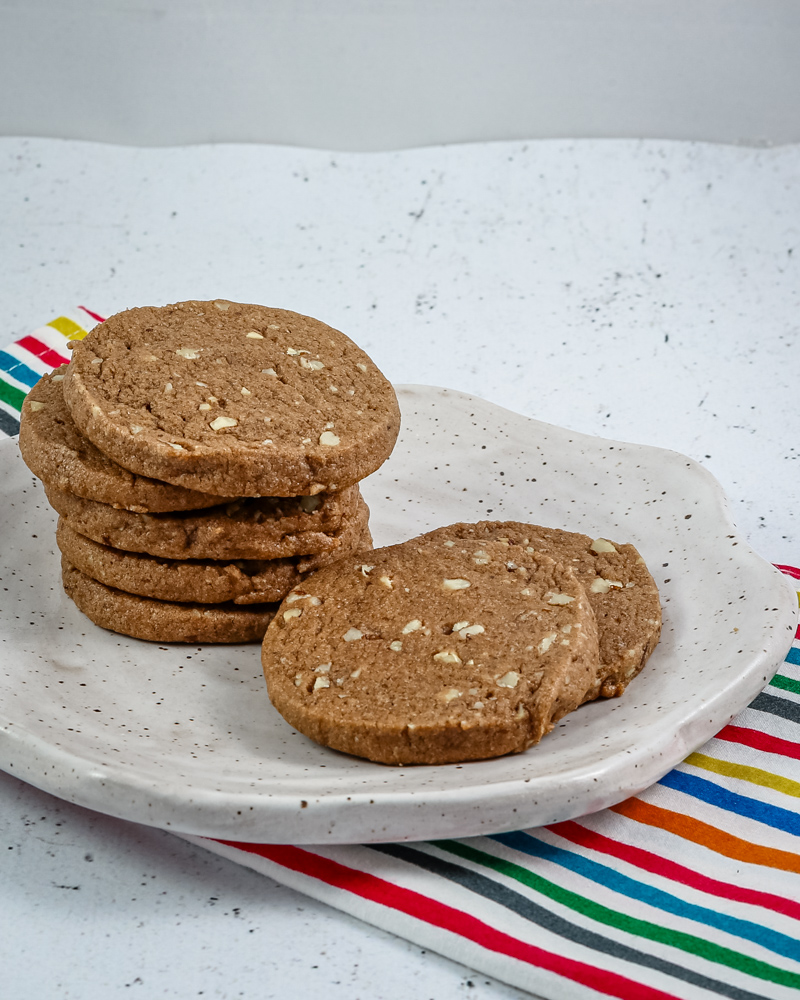
- Vanilla or shortbread crust for fruit pies. Use vanilla wafers, shortbread, or butter cookies when you want a milder, buttery base that lets bright fruit fillings—like lemon, lime, or fresh berry creams—take center stage.
- Nutty cookie crust for extra richness. Stir a small handful of very finely chopped pecans, walnuts, or almonds into the cookie crumbs before adding the butter. The nuts add a subtle flavor and a little extra crunch.
- Reduced-sugar crust for sweeter fillings. If your filling is quite sweet, skip the sugar or use the smallest amount in the crumbs. This keeps the dessert from tipping into overly sweet territory.
How to Use a Cookie Crumb Crust
- Cheesecake: Make a delicious cheesecake with a cookie crumb crust. A classic New York cheesecake is wonderful with a graham cracker or shortbread crust. Or pair a pumpkin cheesecake with a gingersnap crust.
- Chocolate Pie: Contrast the chocolate pie with a vanilla shortbread crust or double down on the chocolate and use chocolate wafer cookies.
- Key Lime Pie: Sweet cookie crumbs pair beautifully with the tartness of a Key lime pie or cheesecake.
- No-Bake and Frozen Pies: Cookie crusts are perfect for these pies because they don’t have to be baked.
How to Store
- Refrigerate: Store a filled pie or cheesecake with a cookie crumb crust tightly covered in the refrigerator. Most cream or no-bake fillings will keep well for several days, and the crust will stay firm as long as it’s kept cold and covered.
- Freeze: Many pies and cheesecakes with a cookie crumb crust freeze well. Wrap the cooled, filled dessert tightly in plastic wrap and then in foil or place it in a covered container. Freeze for up to 1 to 2 months, then thaw in the refrigerator before serving to preserve the texture of the crust.
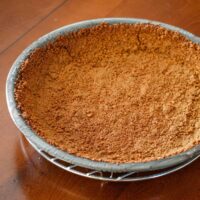
Cookie Crumb Crust
Ingredients
- 1 ½ cups cookie crumbs
- 2 to 4 tablespoons sugar, depending on the sweetness of the cookies
- 4 tablespoons butter, melted
Instructions
- Use a food processor to make the crumbs, or put the cookies in a food storage bag and use a rolling pin to crush them.
- Put the cookie crumbs in a mixing bowl. Add the sugar and melted butter, mixing well until the crumbs are well coated with the butter.
- Press the crumbs into the pie pan and firmly press them into the bottom and up the sides. This will give your pie a sturdy base when it's chilled or baked.
- You can either chill the crust before filling or bake it at 350°F for 8 to 10 minutes.
Equipment
Nutrition
Disclaimer:
Our nutritional information is based on a third-party application that analyzes the ingredients list to determine the values. The information is meant to be helpful, but should be considered an estimate. Values may differ depending on measurements, brands, serving variations, and database availability.