

This post may contain affiliate links. See our Privacy Policy.
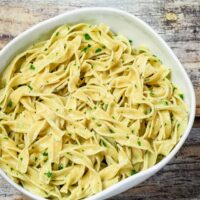
Buttered egg noodles are one of those simple, satisfying sides that never go out of style. Tender noodles get tossed with plenty of butter and a handful of fresh parsley for color and freshness. They’re rich, cozy, and come together in just minutes—no fuss, no fancy ingredients.
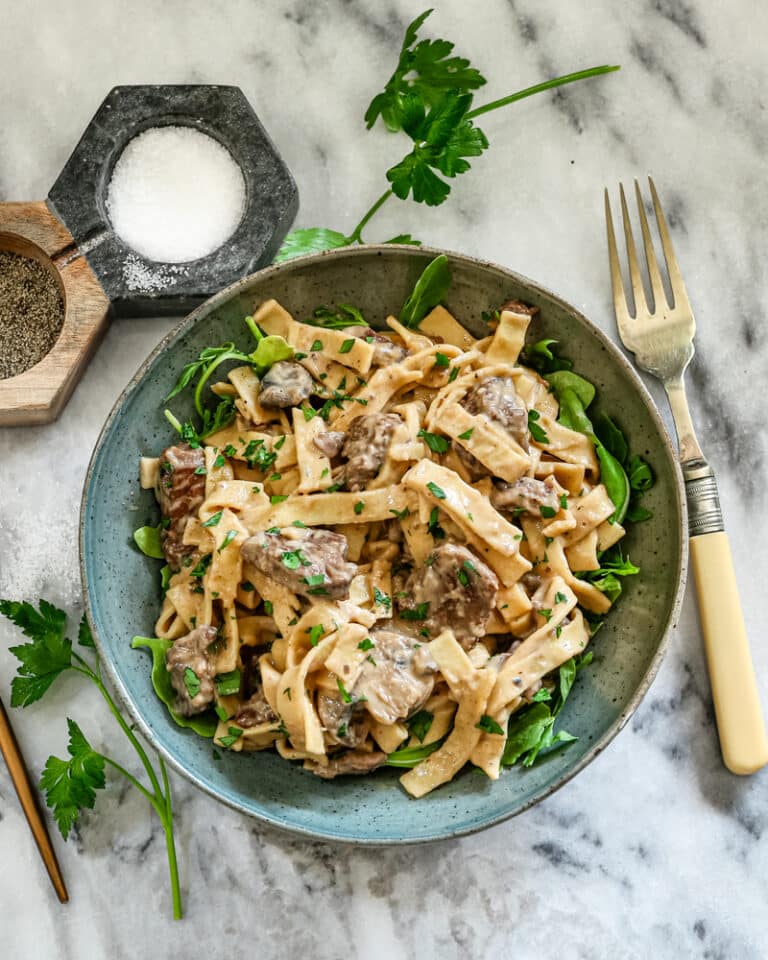
These noodles are the perfect match for hearty mains like stroganoff, meatballs, pork chops, or baked salmon. You can keep them classic or jazz them up with a little garlic, Parmesan, or your favorite herbs. However you serve them, they’re always a crowd-pleaser.
What You’ll Like About These Noodles
Fast and simple. Ready in minutes with pantry staples.
Versatile. Works with everything from meatballs to seafood to roasted vegetables.
Comforting flavor. Butter and warm noodles are always a crowd-pleasing combination.
Easy to customize. Add herbs, cheese, garlic, or lemon to suit your meal.
Ingredient Notes
- Egg noodles: Medium or wide egg noodles both work well and hold butter nicely.
- Butter: Unsalted butter provides clean, rich flavor; add salt to taste.
- Fresh parsley: Adds color and a fresh, herbal finish.
- Kosher salt: Use generously when salting the pasta water for best flavor.
- Black pepper: Freshly ground pepper rounds out the dish without overpowering it.
Steps to Make Buttered Egg Noodles With Parsley
- Boil the noodles in well-salted water according to package directions.
- Add butter to a large serving bowl so it begins softening.
- Drain noodles well and transfer immediately to the bowl with butter.
- Toss with butter and parsley until evenly coated.
- Taste and season with salt and pepper.
Pro Tips
For the best flavor, salt the pasta water generously—like seawater. Properly seasoned noodles need far less seasoning at the end and taste richer and more balanced.
Recipe Variations
- Garlic butter noodles. Melt the butter in a skillet with minced garlic before tossing with the noodles for deeper flavor.
- Parmesan noodles. Add ¼ to ½ cup grated Parmesan for a creamy, savory finish.
- Lemon-parsley noodles. Stir in a teaspoon of lemon zest and a squeeze of lemon juice to brighten the dish.
- Herb blend. Substitute or combine parsley with dill, chives, or basil for different profiles.
- Creamy noodles. Add a splash of cream or half-and-half for a richer, silky version.
Serving Suggestions
- Serve with stroganoff, Swedish meatballs, or roast chicken.
- Pair with grilled or baked salmon or shrimp.
- Use as a base for sautéed vegetables or leftover meats.
- Add a side of peas, glazed carrots, or steamed broccoli to round out the meal.
How to Store
Refrigerate: Store leftover buttered noodles in an airtight container for up to 3 days.
Reheat: Warm in the microwave or in a skillet with an extra pat of butter or splash of broth to loosen the noodles.
Freeze: Freezing is not recommended, as egg noodles tend to become soft and lose texture after thawing.
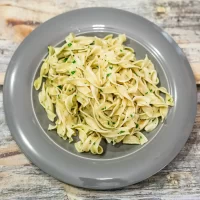
Buttered Egg Noodles With Parsley
Ingredients
- 1 tbsp kosher salt, plus more as needed
- 12 ounces egg noodles, medium or wide
- 4 tbsp unsalted butter
- 2 tbsp finely chopped fresh parsley
- Freshly ground black pepper, to taste
Instructions
- Fill a large saucepan with water and add 1 tablespoon of kosher salt. Add the noodles and cook them following the package directions.1 tbsp kosher salt (plus more as needed) | 12 ounces egg noodles (medium or wide)
- Add the butter to a large serving bowl.4 tbsp unsalted butter
- Drain the noodles thoroughly and then transfer them to the serving bowl. Toss the noodles with the butter and parsley until evenly coated. Taste and season with kosher salt and freshly ground black pepper, as needed.2 tbsp finely chopped fresh parsley | Freshly ground black pepper (to taste)
Nutrition
Disclaimer:
Our nutritional information is based on a third-party application that analyzes the ingredients list to determine the values. The information is meant to be helpful, but should be considered an estimate. Values may differ depending on measurements, brands, serving variations, and database availability.