Old-Fashioned Lemon Pound Cake
Rich and buttery with bright lemon flavor and a tender crumb. The best!
This post may contain affiliate links. See our Privacy Policy.
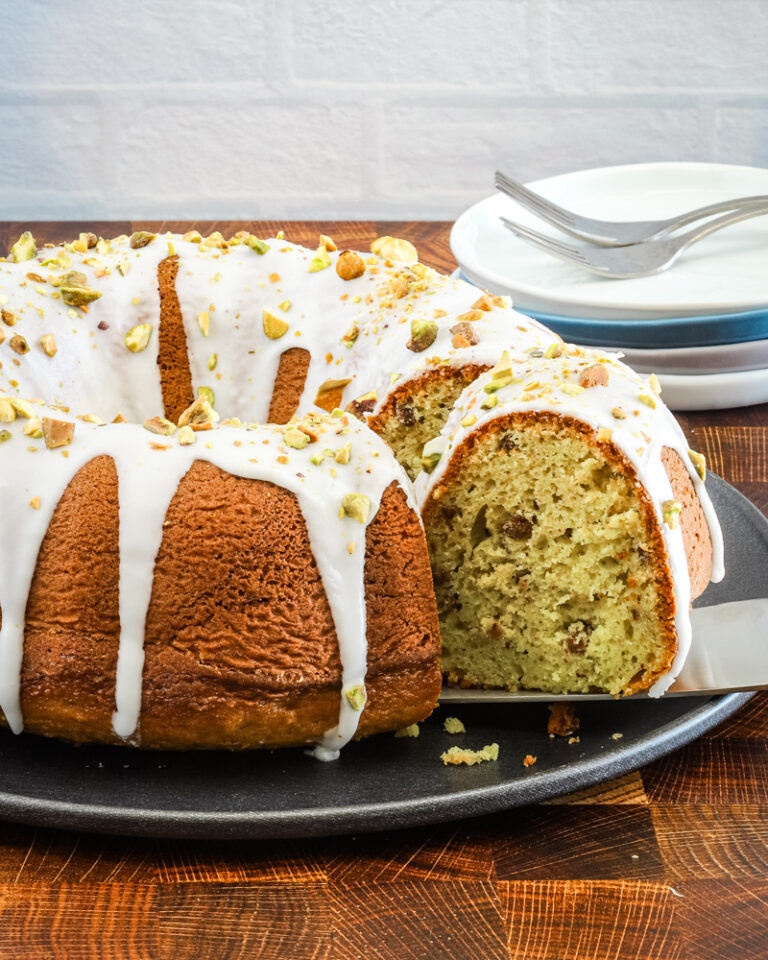
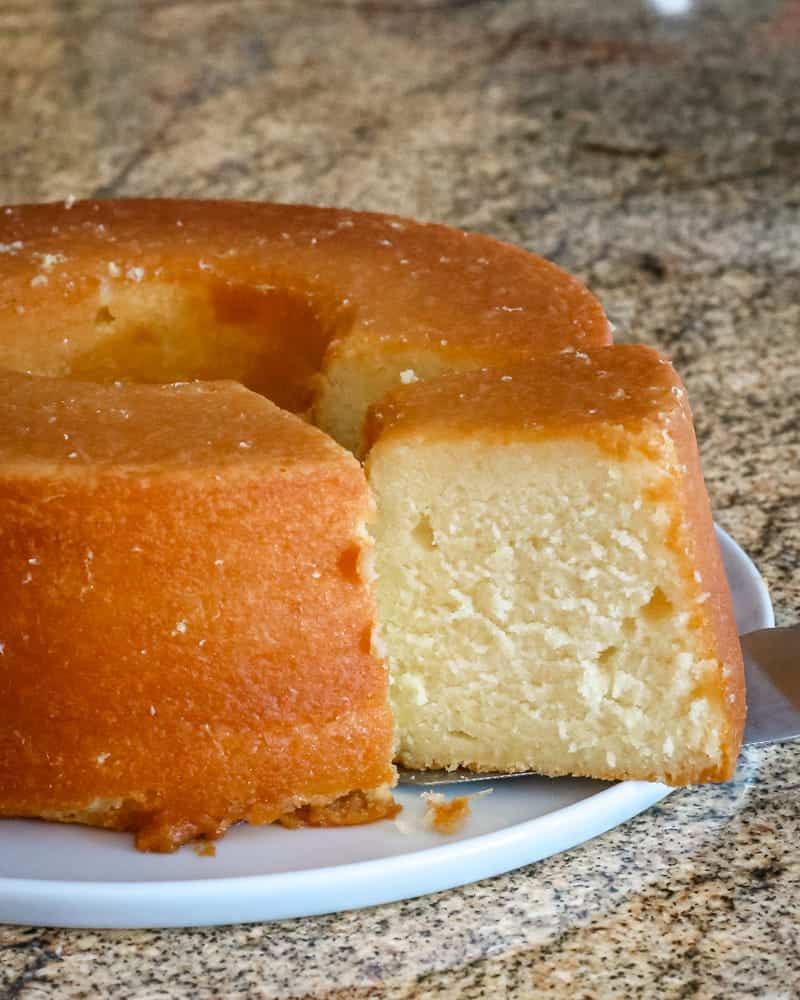
A really good lemon pound cake is all about balance—bright citrus, rich buttery flavor, and a moist, dense crumb that slices beautifully. This recipe delivers all of that and more, thanks to a combination of butter and oil for tenderness, a generous amount of eggs for structure, and lemon extract plus a tangy glaze for a sunny, unmistakable lemon finish. It’s the kind of loaf that feels both classic and special, whether you’re serving it for brunch, offering it as a hostess gift, or enjoying a slice with afternoon tea.
The cake keeps its moisture for several days, making it a perfect make-ahead dessert or a dependable bake for holidays and gatherings. Even better, the flavor deepens overnight as the glaze soaks in and the crumb settles. If you love lemon desserts—or know someone who does—this pound cake earns its “best ever” title from the very first bite.
What I Love About This Cake
Moist and tender crumb. Butter brings richness, while a splash of oil ensures the cake stays soft even after a day or two.
Bright lemon flavor. Lemon extract, zest, and a glossy lemon glaze create layered citrus notes in every bite.
Reliable texture. With five eggs and a gentle mixing method, the loaf bakes evenly and slices cleanly without crumbling.
Perfect for any occasion. Elegant enough for holidays yet simple enough for everyday baking.
Make-ahead friendly. This cake actually improves after resting, making it ideal for gifting, gatherings, or prepping ahead.
Ingredient Notes
- Butter – The foundation of a classic pound cake. Use softened, room-temperature butter so it creams properly and traps air, ensuring a lighter, smoother crumb.
- Vegetable oil – A small amount of neutral oil keeps the loaf exceptionally moist for days. This is what gives it that soft, tender bite rather than a dry, crumbly texture.
- Granulated sugar – Besides sweetness, sugar helps create the pale, fluffy texture when whipped with butter. Don’t reduce it unless you’re experienced with pound cake structure.
- Eggs – Five eggs provide richness, volume, and stability. Room-temperature eggs incorporate more smoothly into the batter.
- Flour & baking powder – All-purpose flour gives structure while baking powder ensures the cake rises just enough without losing its classic dense pound cake feel.
- Milk – Adds moisture and helps blend the ingredients evenly. Whole milk gives the best richness.
- Lemon extract – Stronger and more stable than lemon juice in baking. It ensures a clear lemon flavor that doesn’t fade during baking.
- Lemon glaze – A combination of zest, sugar, and juice that soaks into the warm cake, intensifying flavor and adding a glossy finish.
How to Make This Lemon Pound Cake
- Cream the butter, oil, and sugar until the mixture looks pale and aerated. This step creates the cake’s structure, so be patient and let plenty of air incorporate before adding anything else.
- Add the eggs one at a time, mixing just until each one blends in. This prevents overworking the batter, which can cause a dense or rubbery crumb.
- Whisk the dry ingredients separately, then add them to the batter in alternating portions with the milk. Keep the mixer on low and stop as soon as everything looks combined. Overmixing at this stage can toughen the cake.
- Stir in the lemon extract, then scrape the batter into the prepared pan. Spread it evenly so the cake bakes uniformly without doming too much on top.
- Bake the cake slowly until the top is set and a tester comes out clean. Resist opening the oven door early so the center can rise gently without collapsing.
- Cool the cake in the pan briefly to allow the structure to settle, then turn it out onto a rack so steam doesn’t collect and soften the crust.
- Brush the warm cake with lemon glaze so it soaks into the top and sides. Let the cake cool completely before slicing to ensure neat, even pieces.
Tips
- For the best rise, make sure the butter is softened but not greasy or melted.
- Beat the butter and sugar long enough to incorporate air—this affects the entire cake’s texture.
- Measure the flour accurately; too much will make the cake dense and dry.
- Let the cake cool completely before slicing so the crumb can set.
- If your glaze beads up, warm it slightly so it brushes on smoothly.
Recipe Variations
- Add fresh lemon zest. Brighten the batter by stirring in 1 to 2 tablespoons of fresh zest for an extra punch of natural citrus aroma.
- Blueberry lemon version. Fold 1 cup of fresh blueberries into the batter, tossing them with a spoonful of flour first to prevent sinking.
- Swap the glaze. Try a vanilla glaze for a softer flavor, or an almond glaze for a bakery-style dessert.
- Make mini loaves. Divide the batter among mini loaf pans and reduce the baking time significantly—begin checking around 35–40 minutes.
- Simple powdered sugar finish. Instead of a glaze, dust with confectioners’ sugar once cooled for an understated, elegant look.
- Glazed-and-toasted version. Brush with glaze, let dry, then toast slices lightly in a skillet with butter for a bakery-style treat.
Serving Suggestions
- Serve with fresh berries or whipped cream for an elegant dessert.
- Pair with tea or coffee for a cozy afternoon treat.
- Add a scoop of vanilla or lemon ice cream for a plated dessert.
- Slice and wrap for gifting or bake sales.
- Enjoy it for breakfast, brunch, or dessert—it’s versatile and always welcome.
How to Store
Room temperature: Store the cooled cake in an airtight container for up to 4 days. The glaze helps keep it moist.
Freeze: Wrap the loaf or individual slices in plastic wrap and then foil. Freeze for up to 3 months.
Refresh: Thaw at room temperature or warm slices gently in the microwave for a soft, just-baked texture.
Frequently Asked Questions

Old-Fashioned Lemon Pound Cake
Ingredients
- Butter and flour, for the pan
- 1 cup butter, (softened)
- ¼ cup vegetable oil, (neutral flavor)
- 2 ¾ cups granulated sugar
- 5 eggs, (large, room temperature)
- 3 cups all-purpose flour, (382 grams )
- 2 teaspoons baking powder
- ½ teaspoon salt
- 1 cup milk
- 1 ½ teaspoons lemon extract
Lemon Glaze
- ½ cup granulated sugar
- ½ cup water
- 2 teaspoons grated lemon zest
- ¼ cup fresh lemon juice
Instructions
- Preheat the oven and prep the pan.• Heat the oven to 300°F. Butter and flour a 10-inch tube cake pan.
- Make the batter. Beat butter in a large bowl at medium speed of an electric hand-held mixer; gradually add oil, beating until well blended. Gradually add sugar, beating well. Continue beating for 3-4 minutes, or until pale and fluffy. Add the eggs, one at a time, beating well after each addition.• Combine the flour and baking powder in a small bowl; whisk to blend.• Add 1/3 of the flour mixture to the creamed mixture and beat on low just until incorporated. Add half of the milk and beat again until just blended. Repeat with another 1/3 of the flour and the remaining milk. Add the remaining flour and beat just until mixed. Avoid overbeating the batter.• Stir in the lemon extract. Spoon the batter into the prepared pan and spread evenly.
- Bake the cake.Place the cake in the preheated oven and bake for 1 hour and 35 minutes to 1 hour and 45 minutes, or until a wooden pick inserted in the center of the cake comes out clean. The cake will pull away from the sides of the pan slightly.
- Cool the cake. Cool in the pan on a wire rack for 15 minutes.• Remove the cake from the pan and place it directly on a cooling rack. If using a one-piece tube pan, invert it onto the rack.
- Make the lemon glaze. Combine glaze ingredients, stirring until sugar dissolves.
- Glaze the cake.Brush lemon glaze on sides of cake and spoon glaze over top, a little at a time.
- Serve.Let the cake cool completely. Slice and enjoy!
Nutrition
Disclaimer:
Our nutritional information is based on a third-party application that analyzes the ingredients list to determine the values. The information is meant to be helpful, but should be considered an estimate. Values may differ depending on measurements, brands, serving variations, and database availability.