Classic American Goulash
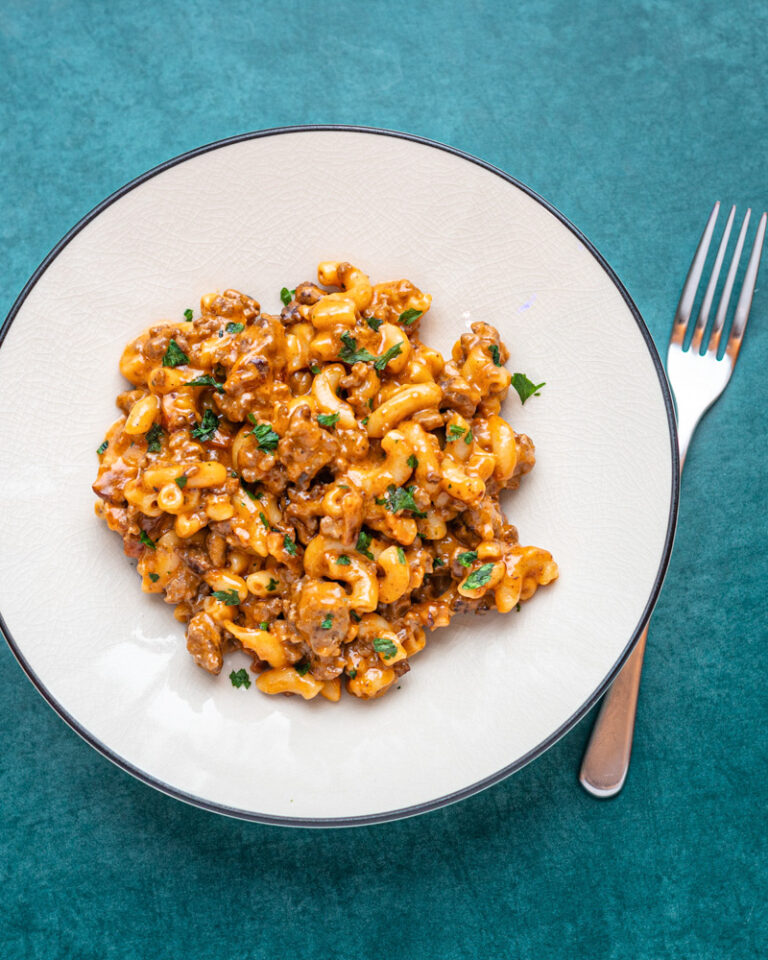
This classic American goulash is a hearty one-pot pasta dish with ground beef, tomatoes, and cheese.

This post may contain affiliate links. See our Privacy Policy.
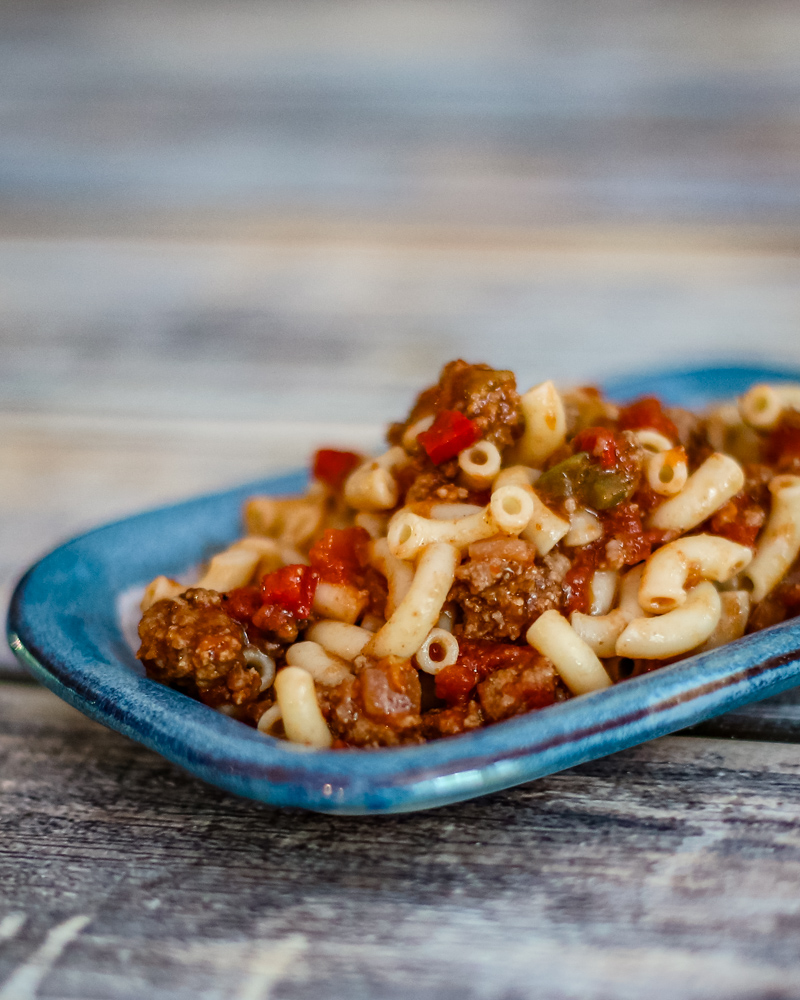
American goulash is the kind of dinner that brings everyone to the table — warm, cheesy, and full of nostalgic flavor. This version features ground beef, elbow macaroni, and tomatoes, all simmered together in one pot for a no-fuss, budget-friendly meal.
With savory seasonings and a generous handful of cheddar stirred in at the end, it’s an easy weeknight dinner that feels like a hug in a bowl. You can also customize it with vegetables or spices to suit your taste. It’s no wonder this dish shows up on dinner tables across the country month after month.
What You’ll Like About This Recipe
- One-pot comfort. The beef, pasta, and sauce all simmer together in the same pot, so the macaroni soaks up flavor instead of boiling in plain water. Fewer dishes, more taste, and a deeply comforting texture in every bite.
- Family-friendly flavors. Mild Italian seasoning, a gentle tomato base, and melty cheddar make this a hit with both kids and adults. You can keep it as-is for picky eaters or add a little heat at the table with crushed red pepper or hot sauce.
- Budget-conscious and pantry-based. Ground beef, canned tomatoes, tomato sauce, broth, and pasta are all affordable staples. This is a great way to stretch a pound of beef into a hearty meal that easily feeds six.
- Flexible and customizable. You can swap in different pasta shapes, sneak in extra vegetables, use a mix of cheeses, or lighten things up with leaner ground meat without changing the basic method. It’s a forgiving recipe that welcomes substitutions.
Ingredient Notes
- Ground beef – Use a moderately lean grind (around 85%) so you get plenty of flavor without an overly greasy sauce. If your beef renders a lot of fat, you can spoon off some after browning.
- Onion, garlic, and bell pepper – These aromatics build the savory base. The onion and garlic add sweetness and depth, while the green pepper brings a classic goulash flavor. You can use red or yellow bell pepper if you prefer a slightly sweeter note.
- Italian seasoning – This blend of herbs gives the goulash its signature, slightly herby flavor without needing multiple individual spices. If you don’t have a blend, use a mix of dried oregano, basil, and a pinch of thyme.
- Beef broth – Cooking the pasta in broth instead of water infuses it with beefy flavor and helps create a rich, saucy base. Low-sodium broth gives you more control over the salt.
- Tomato sauce and diced tomatoes – Tomato sauce adds body and smoothness, while diced tomatoes provide texture and little bursts of acidity. Fire-roasted diced tomatoes can add a subtle smoky flavor if you like.
- Worcestershire sauce – Just a small amount adds umami and a hint of tang that keeps the sauce from tasting flat. If you’re out, a splash of soy sauce can stand in.
- Elbow macaroni – The traditional choice for American goulash, and it cooks quickly right in the pot. Any small, sturdy pasta shape (like shells or cavatappi) will work if that’s what you have.
- Cheddar cheese – Stirred in at the end, it melts into the pasta and sauce for a creamy, extra-comforting finish. Medium or sharp cheddar both work; a blend of cheddar and Monterey Jack or Colby is another nice option.
How to Make Classic American Goulash
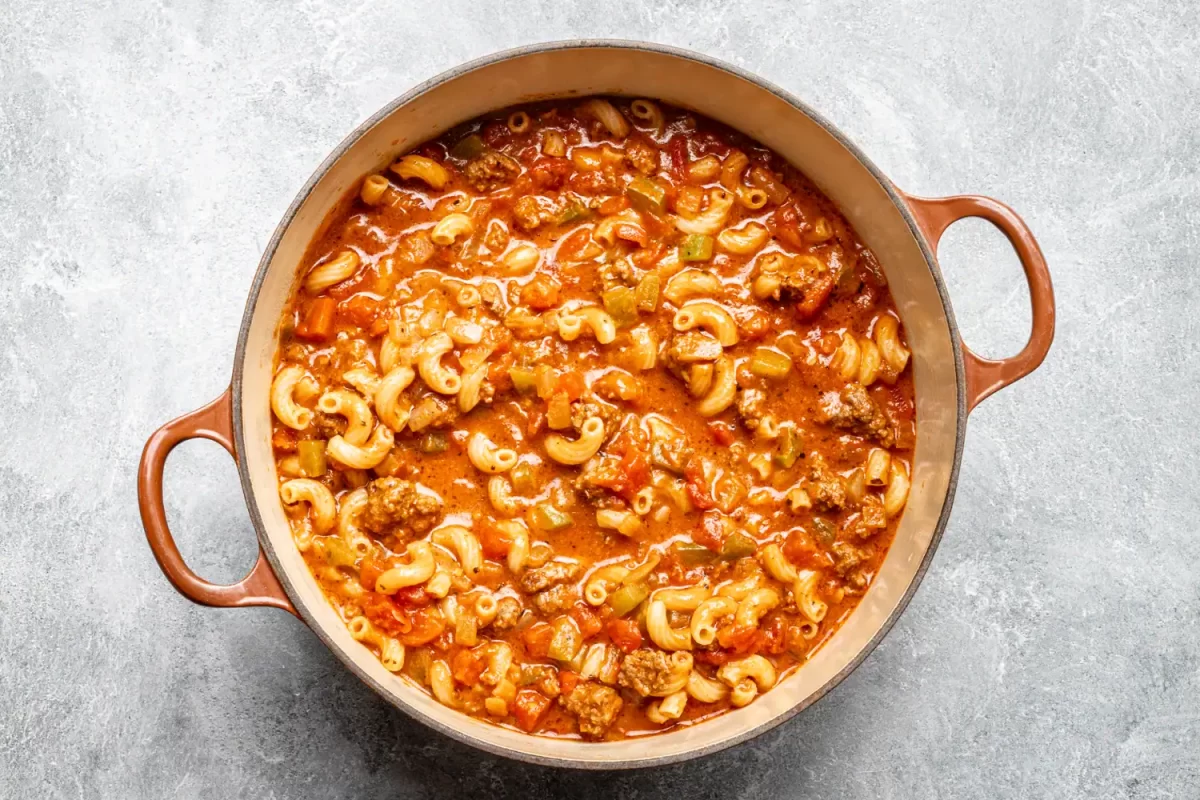
- Start the base by softening the onion and browning the beef together in a large Dutch oven, breaking the meat into small crumbles as it cooks so it blends evenly with the pasta and sauce.
- Build flavor by adding the garlic, bell pepper, and Italian seasoning, and cook briefly until the vegetables begin to soften and the spices smell fragrant.
- Stir in the bay leaf, salt, pepper, broth, tomato sauce, diced tomatoes, Worcestershire sauce, and dry macaroni, making sure the pasta is mostly submerged so it cooks evenly.
- Bring the mixture up to a gentle simmer, then cover and cook on low heat, stirring once or twice, until the macaroni is tender and the sauce has thickened around it.
- Finish the goulash by removing the bay leaf, adjusting the seasoning to taste, and stirring in the cheese until it melts into the hot pasta and sauce.
- Let the pot sit for a few minutes off the heat so the flavors meld and the sauce clings nicely to the macaroni before serving.
Classic American Goulash Tips
- Brown the beef well so you get flavorful browned bits on the bottom of the pan; they’ll dissolve into the sauce and add depth.
- Watch the texture toward the end of cooking; if the pasta is tender but the mixture looks too thick, you can splash in a bit more broth to loosen it up.
- Grate your own cheese if possible, since pre-shredded cheese can be coated with starch and may not melt as smoothly into the sauce.
Recipe Variations
- Veggie-loaded version. Add extra vegetables such as sliced mushrooms, diced zucchini, or a handful of frozen corn or peas along with the bell pepper. It’s an easy way to stretch the meal and add color and texture without changing the basic flavor profile.
- Spicy goulash. Stir in crushed red pepper flakes, cayenne, or a spoonful of chili powder with the Italian seasoning, and finish with a dash of hot sauce. This gives the dish more of a chili-style kick while keeping the familiar goulash comfort.
- Different meats. Swap some or all of the ground beef for Italian sausage, ground turkey, or ground pork for a slightly different flavor. If using leaner meats like turkey, take a little extra care not to overcook them during the browning step.
Serving Suggestions
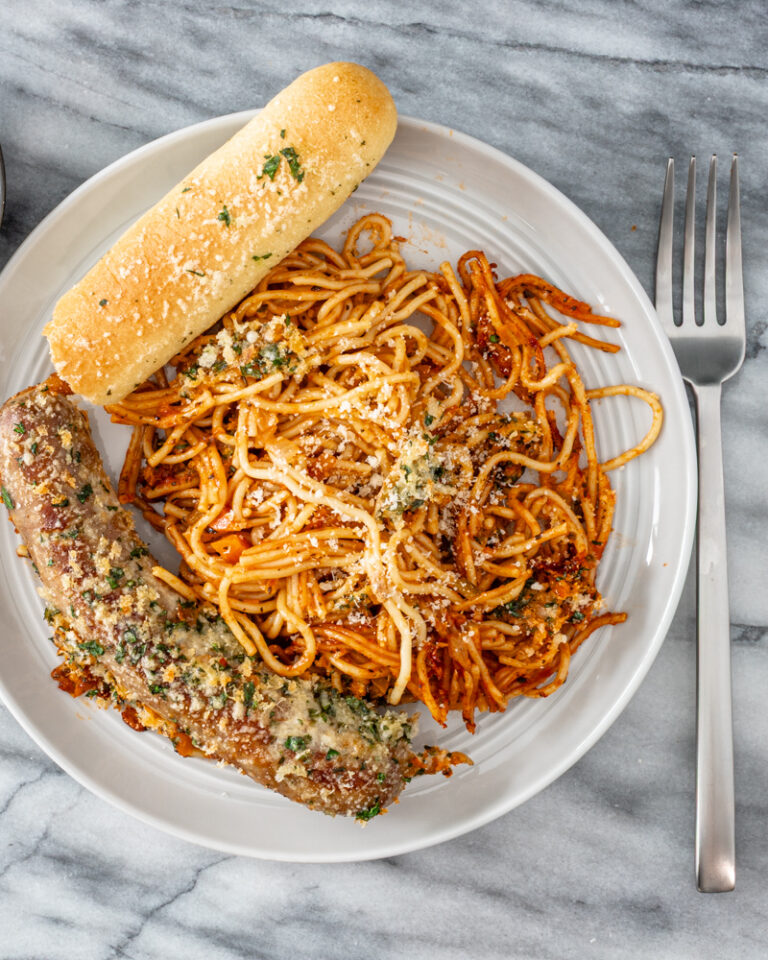
- Serve with garlic bread, cornbread, or crusty rolls.
- Pair with a green salad or steamed green beans.
- Add a sprinkle of Parmesan or hot sauce for extra flavor.
How to Store
- Refrigerate: Transfer cooled goulash to airtight containers and refrigerate for up to 3 to 4 days; the flavors actually deepen as it rests, making it great for lunches.
- Reheat: Warm individual portions in the microwave or reheat a larger amount in a covered skillet over low heat, stirring occasionally and adding a splash of broth or water if needed to loosen the sauce.
- Freeze: Spoon cooled goulash into freezer-safe containers or heavy-duty freezer bags, label with the date, and freeze for up to 3 months; thaw overnight in the refrigerator before reheating gently on the stovetop or in the microwave.
Classic American Goulash
Ingredients
- 1 tablespoon vegetable oil
- 1 cup onion, diced
- 1 pound ground beef, I use 85%
- 2 teaspoons garlic, minced
- ½ cup green bell pepper, diced
- 2 teaspoons Italian seasoning
- 1 large bay leaf
- ¼ teaspoon salt
- ¼ teaspoon ground black pepper
- 1 ½ cups beef broth
- 16 ounces tomato sauce
- 1 14.5-ounce can diced tomatoes, with juice
- 2 teaspoons Worcestershire sauce
- 1 ½ cups elbow macaroni , (uncooked)
- 1 cup cheddar cheese, shredded
- Chopped fresh parsley or basil, for garnish, optional
- Additional shredded cheddar cheese, for serving, optional
Instructions
- Brown the beef. Heat the vegetable oil in a Dutch oven over medium-high heat. Add the onion and ground beef and cook, breaking up the beef and stirring occasionally, until the onion is translucent and the beef is no longer pink, about 5 to 6 minutes. Remove some of the drippings if the beef is very fatty.
- Add the aromatics. Add the garlic, bell pepper, and Italian seasoning to the beef and cook for 1 minute longer.
- Add the tomatoes, seasonings, and pasta. Add the bay leaf, salt, pepper, beef broth, tomato sauce, diced tomatoes, Worcestershire sauce, and macaroni. Stir to blend. Bring to a simmer, cover the pan, reduce the heat to low, and simmer for 20 minutes.
- Finish the dish. Check to make sure the macaroni is tender, and add the cheddar cheese, stirring until the cheese has melted. Taste for seasonings.
- Garnish and serve. Turn the goulash into a large serving bowl and garnish with chopped parsley or basil and extra cheese if desired.
Nutrition
Disclaimer:
Our nutritional information is based on a third-party application that analyzes the ingredients list to determine the values. The information is meant to be helpful, but should be considered an estimate. Values may differ depending on measurements, brands, serving variations, and database availability.