

This post may contain affiliate links. See our Privacy Policy.
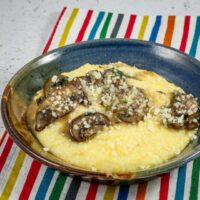
These sautéed mushrooms with sage and white wine are earthy, aromatic, and incredibly simple to prepare. Butter adds richness to the mushrooms, while the sage adds a warm herbal note that pairs beautifully with the wine’s slight acidity. The result is a skillet full of deeply savory mushrooms that can be served as a side or spooned over grains and pasta.
They’re wonderful over creamy polenta, rice, or mashed potatoes, and they also complement roasted meats, chicken, or fish. With just a handful of ingredients and a short cooking time, this is a dish you can make on busy nights or whenever you need something flavorful and versatile.
What You’ll Like About This Dish
Fast and easy. Ready in about 10 minutes with minimal prep.
Big flavor. Sage, butter, and wine give simple mushrooms real depth.
Versatile. Works as a side dish, topping, or vegetarian main over grains.
Ingredient-friendly. Uses pantry staples and fresh mushrooms you can find year-round.
Ingredient Notes
- Mushrooms – Any variety works: button, cremini, or a mix; slice them thick for the best texture.
- Butter – Adds richness and browns the mushrooms beautifully.
- Sage – Fresh sage gives the dish its signature aromatic flavor.
- Salt and pepper – Essential for balancing and boosting the earthy taste.
- White wine – Adds brightness and helps deglaze the pan.
- Parmesan – Optional, but delicious as a finishing touch.
Steps to Make Sautéed Mushrooms With Sage and Wine
- Clean and slice the mushrooms.
- Melt the butter in a skillet over medium-low heat.
- Add the mushrooms, sage, salt, pepper, and wine.
- Cook until the mushrooms are tender and golden.
- Taste and adjust the seasoning.
Tips
- Slice mushrooms thickly so they brown instead of shrinking too quickly.
- Use fresh sage—its flavor is much brighter than dried.
- A splash of extra wine can loosen the pan juices if the mixture gets dry.
Recipe Variations
- Add garlic. Sauté a minced clove with the mushrooms for extra aroma.
- Use mixed mushrooms. Combine cremini, shiitake, or oyster mushrooms for complexity.
- Try balsamic. Add a splash at the end for a sweet-tangy finish.
- Make it creamy. Stir in a tablespoon of cream or mascarpone.
- Add heat. A pinch of crushed red pepper adds subtle warmth.
Serving Suggestions
- Serve over creamy polenta or rice.
- Pair with steak, roast chicken, or pork.
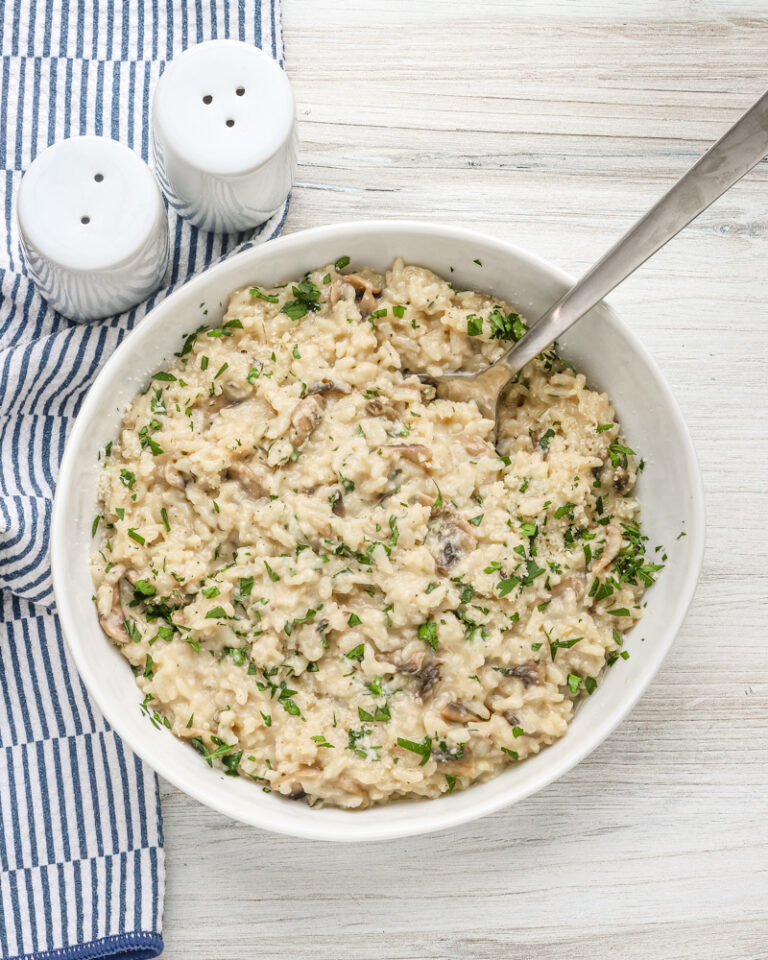
- Add to pasta or risotto for extra richness.
- Garnish with Parmesan or fresh herbs.
How to Store
Refrigerate: Store leftover mushrooms in an airtight container for up to 3 days. They reheat well and keep their flavor.
Freeze: Freezing isn’t ideal, as mushrooms can become watery and lose texture once thawed.
Reheat: Warm gently in a skillet over low heat. Add a splash of wine or broth if the mushrooms seem dry.
Sautéed Mushrooms With Sage and Wine
Ingredients
- 4 tbsp unsalted butter
- 2 pounds mushrooms
- ¼ cup sage leaves, coarsely chopped
- 2 tbsp dry white wine
- Kosher salt, to taste
- Freshly ground black pepper, to taste
- 2 to 3 tbsp grated Parmesan cheese (optional), for garnish
Recommended Equipment
Instructions
- Clean the mushrooms and trim stems. Slice them thickly.
- Melt the butter in a sauté pan over medium heat.4 tbsp unsalted butter
- When the butter stops foaming, add the mushrooms and cook for about 4 to 5 minutes or until they have released their liquid and are beginning to brown. Add the sage and cook for 1 to 2 minutes longer. Deglaze with the wine and scrape up any brown bits. Let the wine reduce until nearly gone.2 pounds mushrooms | 1/4 cup sage leaves | 2 tbsp dry white wine
- Taste and season the mushrooms with kosher salt and freshly ground black pepper. Finish with freshly grated Parmesan cheese, if desired.Freshly ground black pepper | 2 to 3 tbsp grated Parmesan cheese (optional) | Kosher salt
Nutrition
Disclaimer:
Our nutritional information is based on a third-party application that analyzes the ingredients list to determine the values. The information is meant to be helpful, but should be considered an estimate. Values may differ depending on measurements, brands, serving variations, and database availability.