

This post may contain affiliate links. See our Privacy Policy.
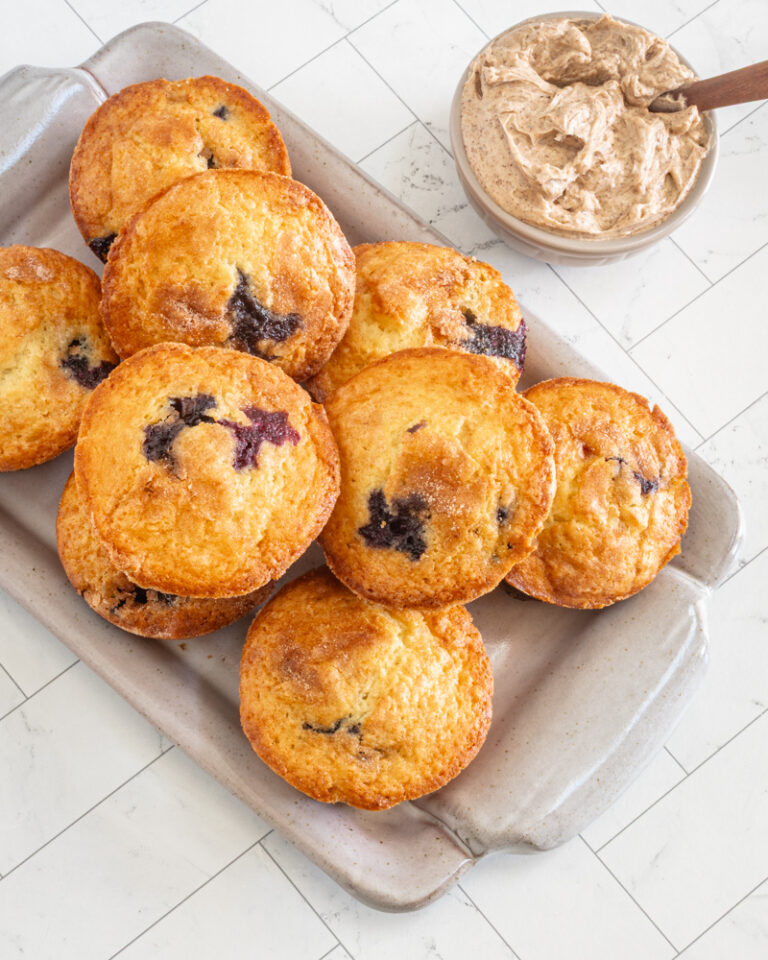
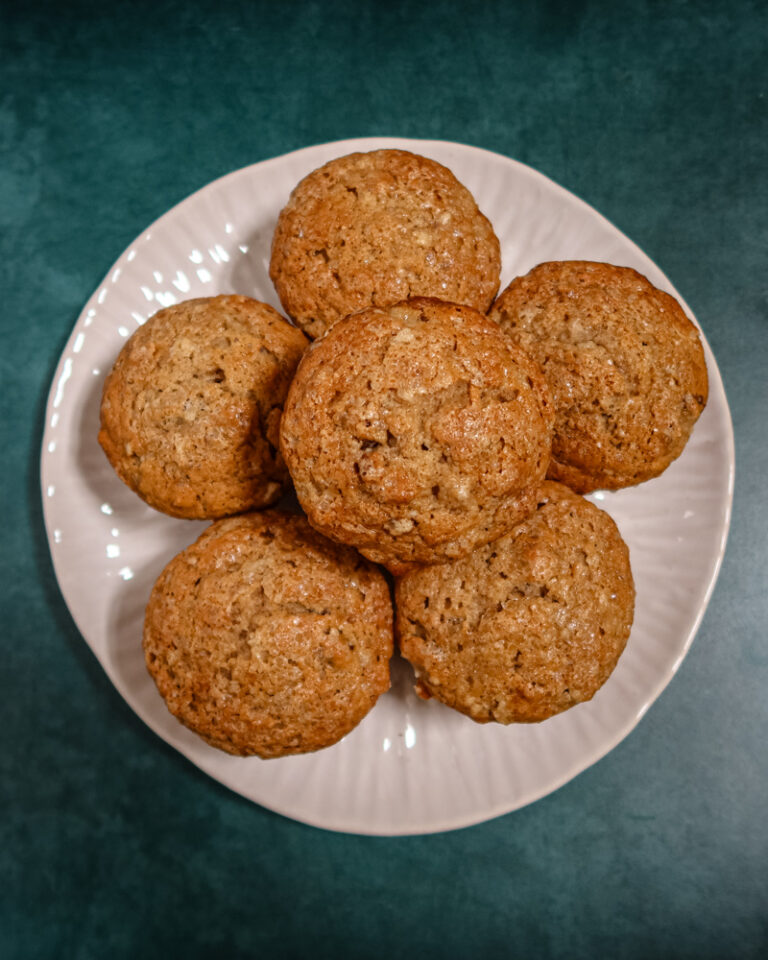
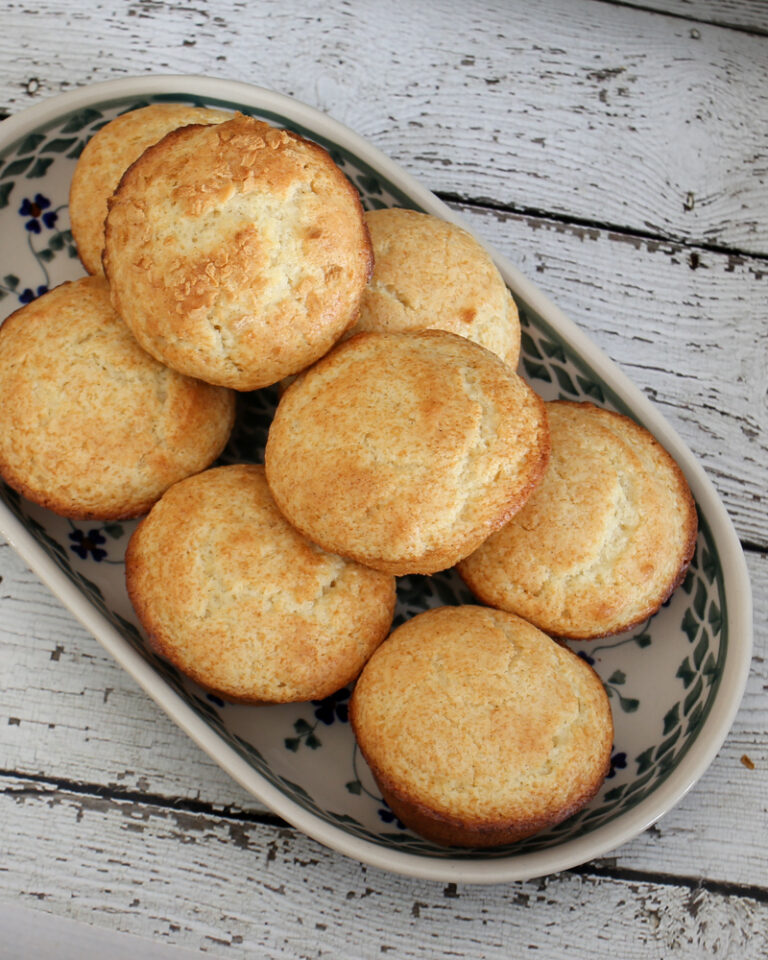
If you’re cutting gluten out of your diet, you don’t have to give up baked treats. These pineapple muffins are one of my family’s favorite indulgences, and they taste just as good, if not better than their gluten-laden counterpart. The muffins are moist and full of flavor—I love them for breakfast or snacks. dessert.
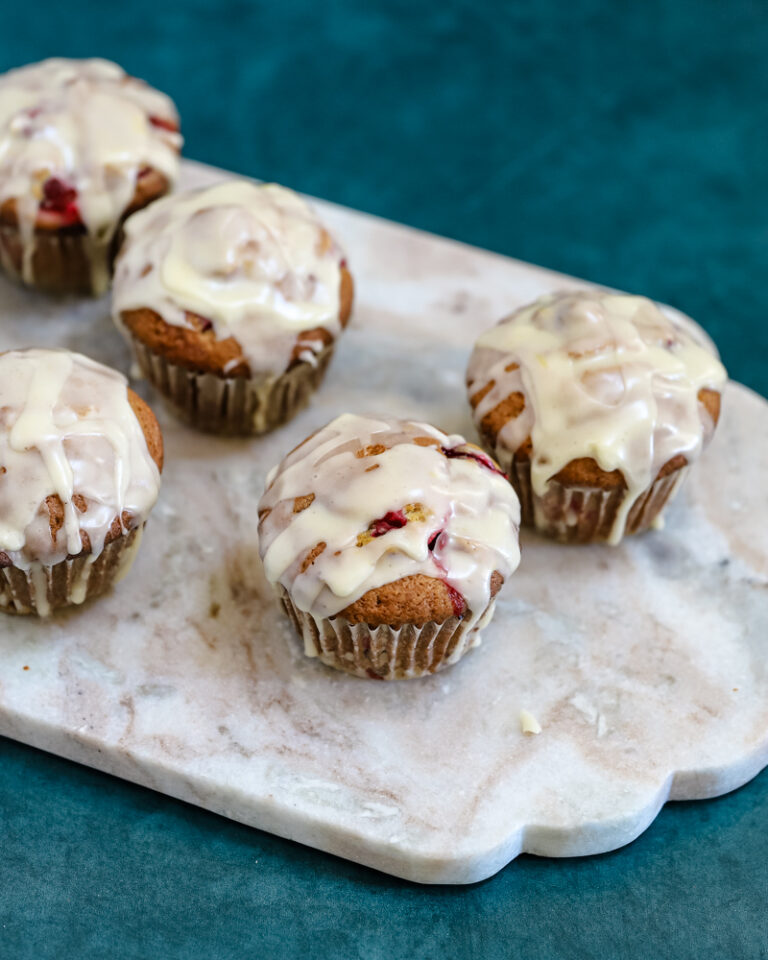
They’re quick to mix, bake beautifully with GF flour, and taste delicious warm or completely cooled. Add the optional pineapple icing for a sweet tropical finish that makes these muffins feel extra special.
What You’ll Like About This Dish
Tropical flavor. Crushed pineapple adds moisture, sweetness, and bright fruitiness.
Gluten-free and reliable. Works perfectly with measure-for-measure or 1:1 GF blends.
Moist and tender. Oil and pineapple juice keep the crumb soft without being dense.
Optional icing. A simple pineapple glaze takes them from everyday to irresistible.
Ingredient Notes
- Crushed Pineapple – I use a 20-ounce can, which yields roughly 1 1/2 cups of drained crushed pineapple. Make sure you save some of the juices—you’ll need a few tablespoons for the batter and icing.
- Gluten-Free Flour – I used King Arthur Measure for Measure Flour, and I’ve had good luck with Bob’s Red Mill 1 to 1 as well. They both contain xanthan gum. If you use gluten-free flour blend without xanthan gum, add 1 teaspoon to the dry ingredients.
- Vegetable Oil – A neutral flavor oil is best, such as sunflower, safflower, grapeseed, canola, corn, or vegetable oil.
- Flavoring – I use a combination of vanilla and almond extracts for fragrant, intense flavor.
- Confectioners’ Sugar – Some brands of powdered sugar don’t clump, and they blend nicely without sifting, while others could stay lumpy when mixed. If you aren’t sure, sift after measuring.
Steps to Make Gluten-Free Pineapple Muffins
- Preheat the oven and prepare the muffin tin.
- Drain the pineapple and reserve the juice for mixing and glazing.
- Whisk the dry ingredients together in a large bowl.
- Mix the oil, sugar, eggs, and extracts in a separate bowl.
- Combine the wet and dry ingredients, then fold in the pineapple and a bit of juice.
- Divide the batter evenly into the muffin cups.
- Bake until lightly browned and cooked through.
- Cool the muffins and drizzle with icing, if using.
Tips
- Drain the pineapple well, but keep the juice—too much liquid can make muffins dense.
- Don’t overmix the batter; stir just until moistened for the best texture.
- Use parchment-style liners to prevent sticking with GF batters.
- Let muffins cool before icing so the glaze sets properly.
Recipe Variations
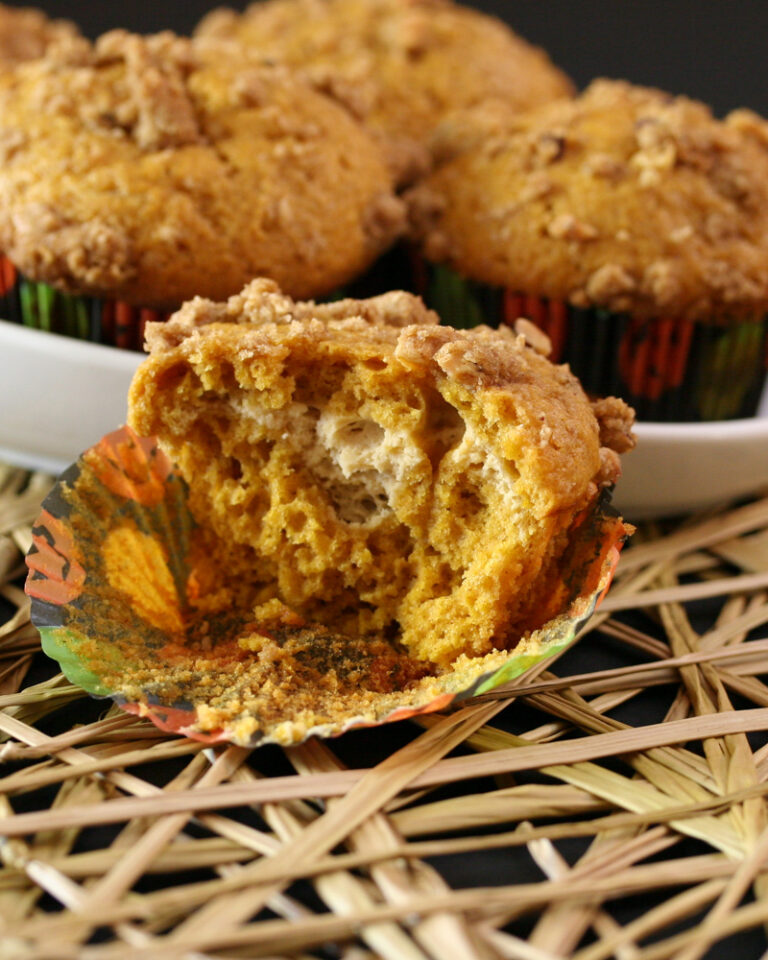
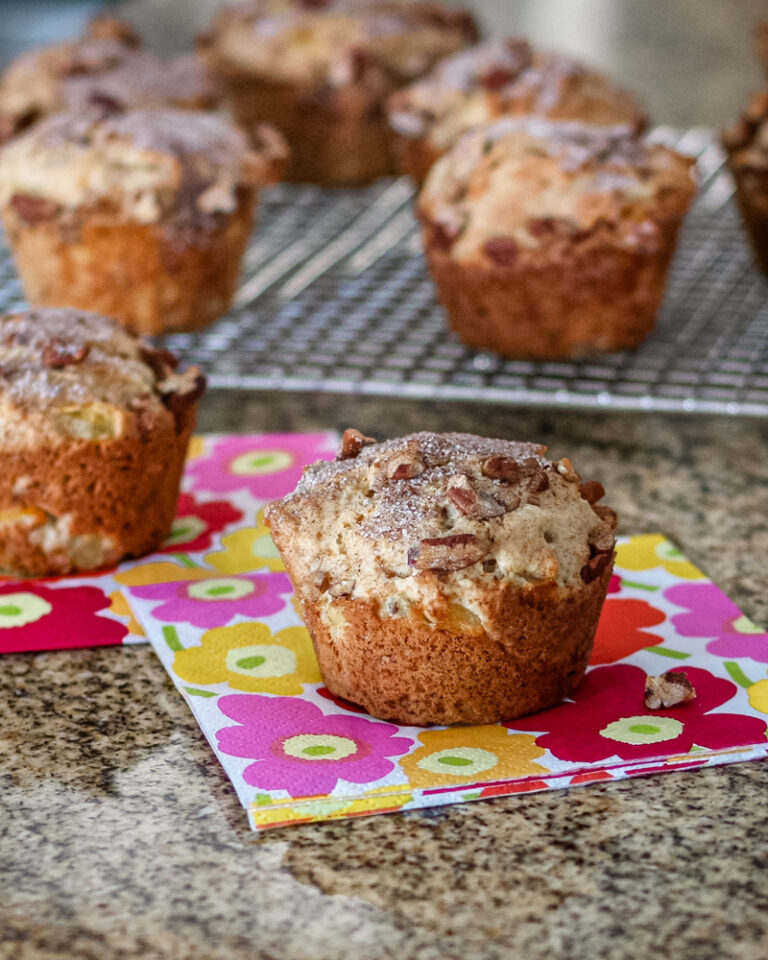
- Crumb-Topped: Add this streusel topping just before they go into the oven. Just replace the all-purpose flour with gluten-free flour.
- With Nuts: Add chopped walnuts, pecans, or macadamia nuts.
- Tropical: Add 1/2 cup of coconut and 1/2 cup of chopped macadamia nuts to the batter with the pineapple.
- Coconut Topping: Combine 3 tablespoons of sweetened flaked coconut with 3 tablespoons of granulated sugar, 3 tablespoons of gluten-free or all-purpose flour, and 1 tablespoon of melted butter; mix and sprinkle over the muffins before baking.
- With Cherries: For extra color and flavor, add 1/2 cup of well drained, chopped maraschino cherries along with the pineapple.
Serving Suggestions
- Serve with fresh fruit for a quick breakfast.
- Pair with coffee or iced tea for a light snack.
- Add the icing for a dessert-style muffin.
- Warm slightly before serving to bring out the pineapple aroma.
- Take to brunch gatherings or potlucks—they travel well.
How to Store
Room temperature: Store in an airtight container for up to 3 days.
Refrigerate: Keep chilled for up to 5 days; bring to room temperature before serving.
Freeze: Freeze muffins (without icing) for up to 3 months. Thaw at room temperature and add icing after thawing.
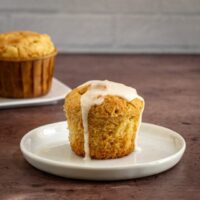
Gluten-Free Pineapple Muffins
Ingredients
- 20 ounces crushed pineapple, undrained
- 2 cups Gluten-free 1:1 baking flour (with xanthan gum)
- 2 tsp baking powder
- 1 tsp baking soda
- ½ tsp fine salt
- ⅔ cup vegetable oil
- ⅔ cup brown sugar, light or dark
- 2 large eggs
- 1 ½ tsp vanilla extract
- ½ tsp almond extract
Optional Icing
- 1 cup confectioners’ sugar
- 2 to 3 tbsp reserved pineapple juice
- 1 ½ tbsp butter, melted
- ½ tsp vanilla extract
- Pinch fine sea salt
Recommended Equipment
Instructions
- Preheat the oven to 350°F. Line a 12-cup muffin tin with parchment paper liners (or spray with baking spray).
- Place a strainer over a small bowl. Drain the crushed pineapple juices into the bowl and reserve the juice; you’ll use some of it in the batter and icing. Set the pineapple and the bowl with the juice aside.20 ounces crushed pineapple
- Combine the flour, baking powder, baking soda, and salt in a large bowl; whisk to blend.2 cups Gluten-free 1:1 baking flour (with xanthan gum) | 2 tsp baking powder | 1 tsp baking soda | 1/2 tsp fine salt
- In a separate bowl, whisk the vegetable oil and brown sugar with the eggs, vanilla, and almond extract.2/3 cup vegetable oil | 2/3 cup brown sugar | 2 large eggs | 1 1/2 tsp vanilla extract | 1/2 tsp almond extract
- Pour the oil and egg mixture into the bowl with the dry ingredients; add the crushed pineapple and 2 tablespoons of the reserved juice; stir until the ingredients are just moistened.
- Fill the prepared muffin cups about 2/3 to 3/4 full.
- Bake the muffins for 20 to 24 minutes, or until the tops are lightly browned. An internal thermometer inserted into the center of the muffins should read 205°F to 210°F.
- Let the muffins cool in the pan for 10 minutes, then turn them out onto a rack to cool completely.
- If desired, make the icing. Combine the confectioners' sugar with 2 tablespoons of pineapple juice, melted butter, 1/2 teaspoon of vanilla extract, and a pinch of salt. Mix to blend and add more pineapple juice if needed to thin the icing. Drizzle over the cooled muffins.1 cup confectioners’ sugar | 2 to 3 tbsp reserved pineapple juice | 1 1/2 tbsp butter | 1/2 tsp vanilla extract | Pinch fine sea salt
Notes
Nutrition
Disclaimer:
Our nutritional information is based on a third-party application that analyzes the ingredients list to determine the values. The information is meant to be helpful, but should be considered an estimate. Values may differ depending on measurements, brands, serving variations, and database availability.