
Sour Cream Fudge
Enjoy the tangy and creamy goodness of homemade sour cream fudge. Perfect as a festive treat or a sweet snack anytime.

This post may contain affiliate links. See our Privacy Policy.
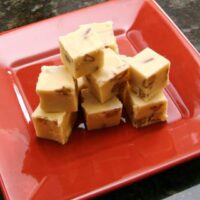
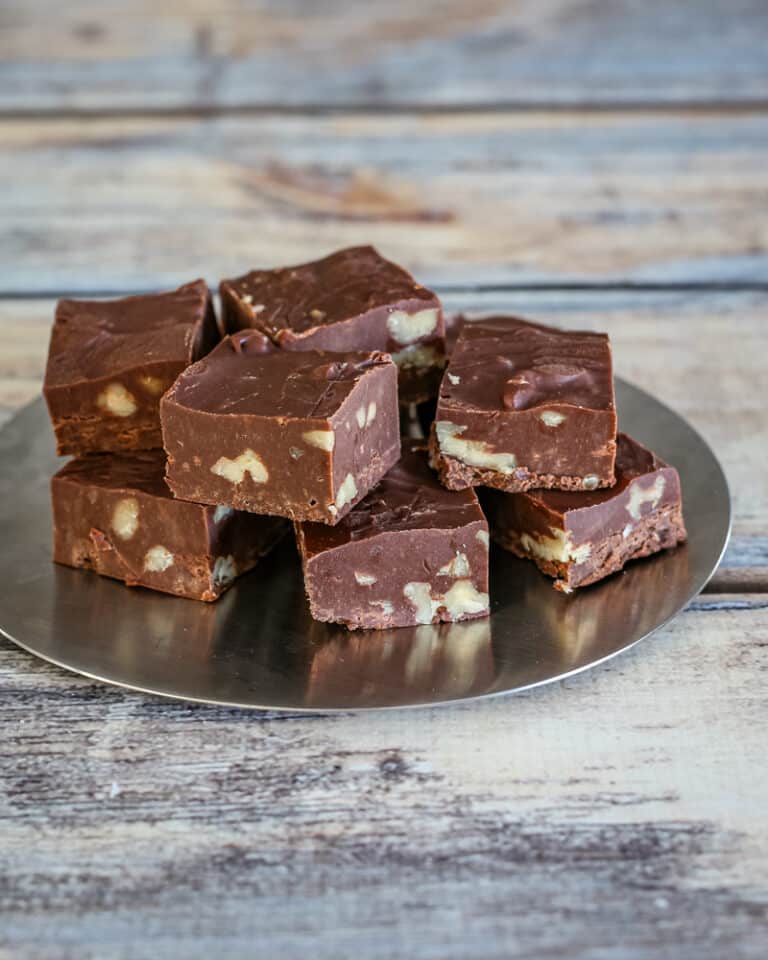
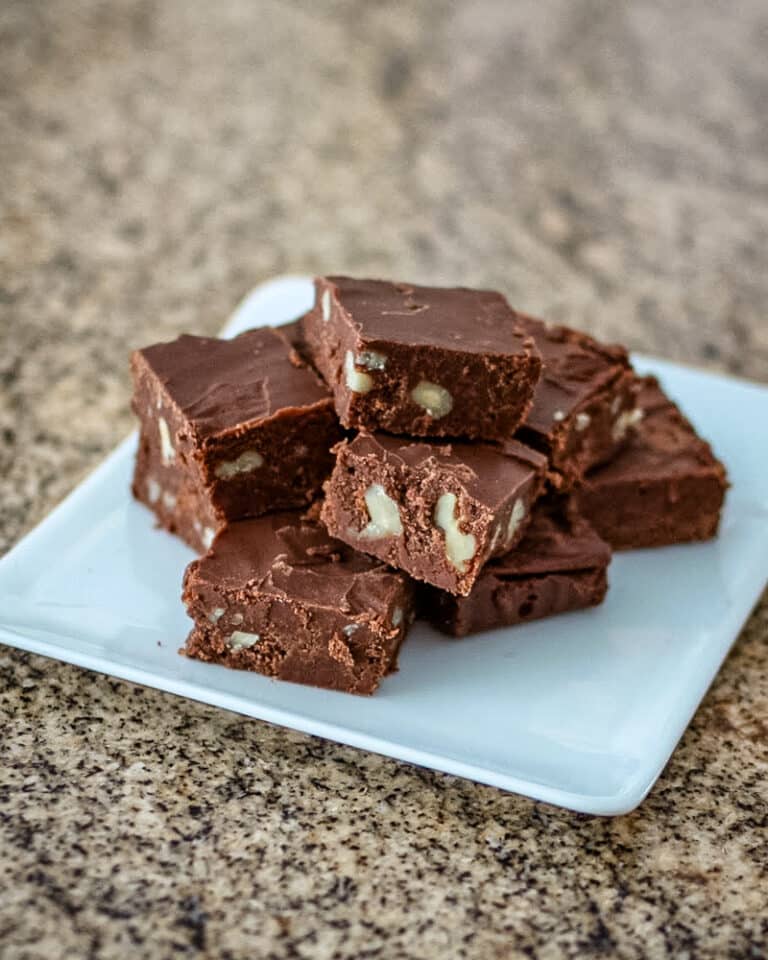
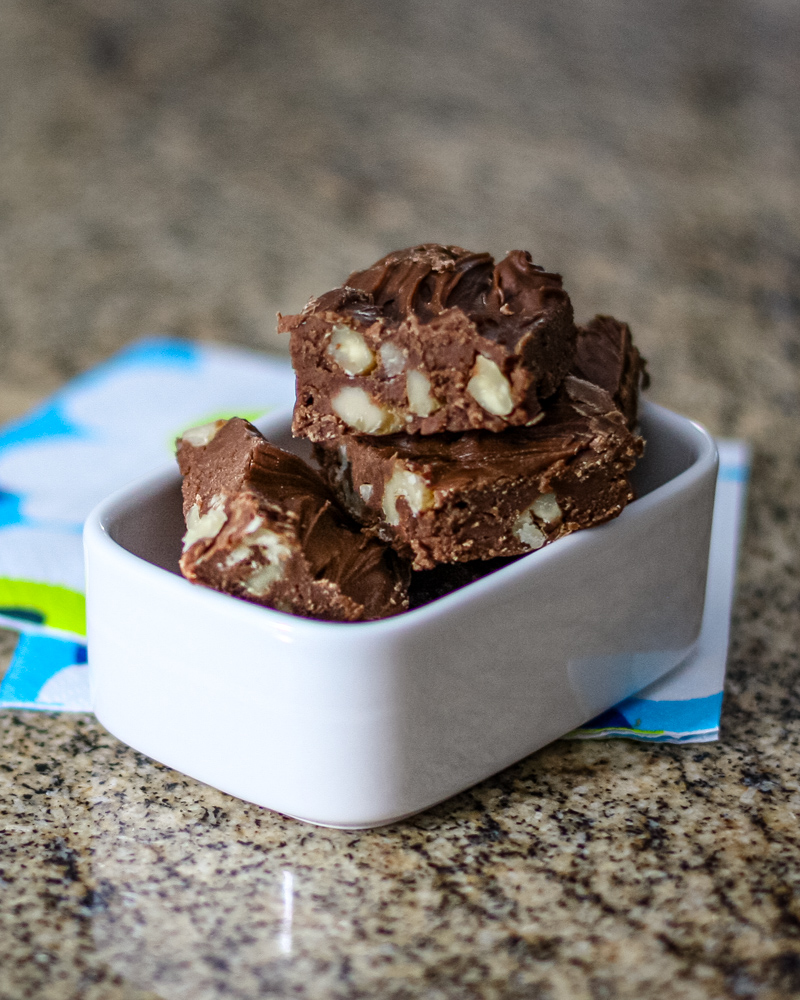
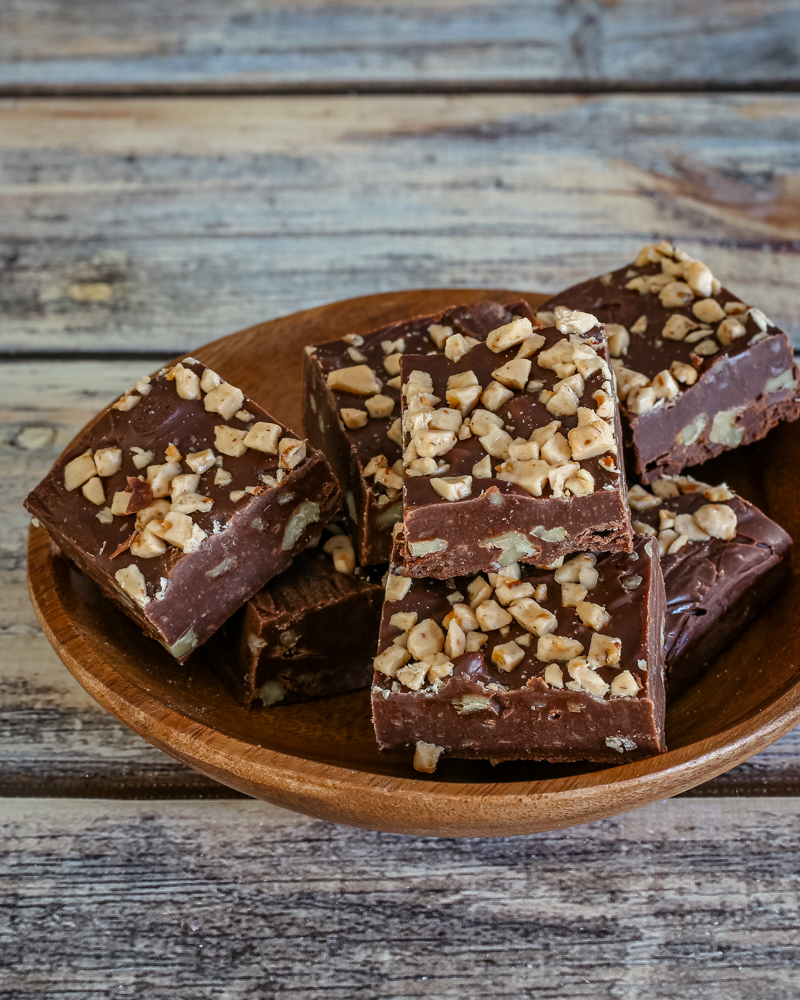
Sour cream fudge has a wonderfully old-fashioned feel—rich and chocolaty, but with a gentle tang that keeps it from tasting overly sweet. The sour cream gives the candy a smooth, creamy body and a subtle depth you don’t get from basic chocolate fudge, while the cooked sugar mixture keeps it dense and sliceable.
It’s the kind of recipe that feels right at home on a holiday candy tray, but it’s simple enough to make any time you’re craving a small, special treat. The optional candied cherries give little pops of color and fruitiness, and the nuts add enough crunch to balance the soft, melt-in-your-mouth fudge.
What You’ll Like About This Recipe
- Tang from sour cream. The sour cream adds a mild tang and richness that balances the sweetness of the sugar. Instead of tasting one-note sweet, the fudge has a more complex, almost truffle-like flavor that keeps you going back for “just one more piece.”
- Perfectly sweet but not cloying. Corn syrup and sugar provide the structure and sweetness, but the dairy and vanilla round everything out. The result is rich and indulgent without feeling over-the-top, especially if you include the nuts for contrast.
- Pretty and festive mix-ins. Candied cherries add color and tiny bursts of fruity sweetness, while chopped pecans or walnuts bring a toasty, nutty crunch. Together, they make the fudge look special enough for gift boxes and dessert platters.
Ingredient Notes
- Granulated sugar – The main sweetener and structure builder in this fudge. As it cooks with the sour cream and corn syrup, it dissolves and thickens, then sets into that classic firm-but-creamy texture. Be sure to stir until fully dissolved before bringing it to a full boil.
- Sour cream – Provides moisture, richness, and that signature tang. Full-fat sour cream is important here; it stands up to the cooking process and contributes to the smooth texture. Reduced-fat sour cream can separate or become grainy.
- Light corn syrup – Helps prevent the sugar from crystallizing, which keeps the fudge smooth instead of gritty. It also adds a bit of body without changing the flavor much, acting as a stabilizer for the cooked sugar mixture.
- Butter – Stirred in after cooking (before beating), butter gives the finished fudge a silky, rich mouthfeel. It also adds flavor and helps the fudge firm up with a slight sheen before you beat it.
- Vanilla – Added at the end, vanilla rounds out the sweetness and complements the tangy dairy. It softens any harsh notes from the cooked sugar and gives the fudge a warm, balanced finish.
- Candied cherries (optional) – These add color and a festive, old-fashioned touch. Chopping them into small pieces disperses bright flecks throughout the fudge, making each square look special. You can omit them if you prefer a more traditional nut fudge.
- Pecans or walnuts – Nuts bring texture and a toasty, slightly bitter edge that contrasts nicely with the sweet, creamy fudge. Pecans are softer and buttery; walnuts have a stronger, earthier flavor. Toasting them lightly before chopping deepens their flavor, but it’s optional.
Steps to Make Sour Cream Fudge
- Prepare the pan and saucepan by buttering the sides of a heavy pot and the inside of your square or loaf pan so the fudge won’t stick once it sets.
- Combine the sugar, sour cream, corn syrup, and salt in the saucepan and cook over low heat, stirring steadily until the sugar is fully dissolved and the mixture looks smooth.
- Increase the heat to bring the mixture to a gentle boil, then cook until it reaches soft-ball stage, stirring occasionally to prevent scorching and watching the thermometer for the correct temperature.
- Remove the pan from the heat and add the butter and vanilla without stirring, then let the mixture cool until it is lukewarm so it thickens slightly and the temperature drops.
- Beat the mixture vigorously until it loses its glossy sheen and turns thicker and creamier, then fold in the chopped cherries (if using) and nuts.
- Pour the fudge into the buttered pan, spread it into an even layer, and let it cool undisturbed until firm enough to cut into neat squares.
Pro Tips
- Use a heavy-bottomed saucepan so the fudge cooks evenly; thin pans create hot spots that can scorch the mixture before it reaches the proper stage.
- Stir constantly over low heat until the sugar dissolves completely; any undissolved sugar crystals at this stage can encourage graininess later.
- Monitor the temperature carefully as the mixture boils—aiming for soft-ball stage means using a reliable candy thermometer. Avoid walking away during this step.
- Cool the mixture to lukewarm before beating; if you beat it while it’s too hot, it can seize up quickly and become too stiff to pour smoothly into the pan.
- Score the top lightly with a knife once the fudge has started to firm but isn’t fully hard if you’d like very even squares; it makes final cutting easier and reduces cracking.
Recipe Variations
- Classic nut-only fudge. Skip the candied cherries and use just chopped pecans or walnuts for a traditional fudge that focuses on the tangy base and nutty crunch. This version is especially good for everyday treats or gifting to people who prefer simpler candies.
- Holiday cherry-almond version. Replace the vanilla with a mix of vanilla and almond extract, and keep the candied cherries in the fudge. The almond brings out the cherry flavor and gives the candy a distinctly festive profile.
- Chocolate-sour cream fudge. Stir a few tablespoons of unsweetened cocoa powder into the sugar and sour cream mixture before cooking for a chocolate-tang fudge. You may need to beat a bit longer to reach a smooth, creamy consistency.
Serving Suggestions
- Serve on dessert platters or cookie trays.
- Add to a holiday gift box or candy tin.
- Slice into small squares and arrange on a tiered dessert stand.
- Pair with coffee, tea, or after-dinner drinks.
How to Store
- Refrigerate – Once the fudge is completely cool and firm, cut it into squares and transfer to an airtight container, separating layers with parchment or wax paper. Store in the refrigerator for about 1 to 2 weeks. Let pieces sit at room temperature for a few minutes before serving if you prefer a softer bite.
- Freeze – For longer keeping, wrap individual layers of fudge in parchment and place them in a freezer-safe container or bag, squeezing out as much air as possible. Freeze for up to about 2 to 3 months. Thaw in the refrigerator, then bring to cool room temperature so the texture relaxes and tastes fresh again.
Sour Cream Fudge
Ingredients
- Butter, for greasing the saucepan and baking pan
- 2 cups granulated sugar
- 1 cup sour cream
- 2 tablespoons light corn syrup
- ½ teaspoon salt
- 2 tablespoons butter
- 1 teaspoon vanilla
- ½ cup candied cherries, chopped, optional
- ½ cup pecans, or walnuts, chopped
Instructions
- Butter the sides of a heavy 2-quart saucepan. Add sugar, sour cream, corn syrup, and salt to the saucepan; cook over low heat, stirring constantly, until the sugar dissolves. Turn the heat to medium and cook until the mixture boils. Continue cooking, stirring occasionally, until it reaches about 238°F on a candy thermometer, or soft ball* stage. Remove from heat.
- Add butter and vanilla without stirring; cool to lukewarm or about 110°F, then beat vigorously until fudge is creamy and no longer glossy.
- Stir in cherries (if using) and nuts.
- Pour the fudge mixture into a buttered 8-inch square pan or, for thicker pieces, a 9-by-5-inch loaf pan.
- Cool until firm, then cut into squares.
Equipment
Notes
A small amount of candy syrup dropped into chilled water forms a ball, but flattens a bit when picked up with fingers (234 F to 240 F).
Nutrition
Disclaimer:
Our nutritional information is based on a third-party application that analyzes the ingredients list to determine the values. The information is meant to be helpful, but should be considered an estimate. Values may differ depending on measurements, brands, serving variations, and database availability.
This is a great recipe but I’d suggest pouring it in a loaf pan because it doesn’t even begin to fill half the bottom of an 8×8 pan at less than 1/2″ thick.