
Shrimp Fra Diavolo With Garlic Breadcrumbs
Enjoy shrimp fra diavolo for dinner tonight! This quick and flavorful dish combines shrimp with a spicy tomato sauce.
This post may contain affiliate links. See our Privacy Policy.
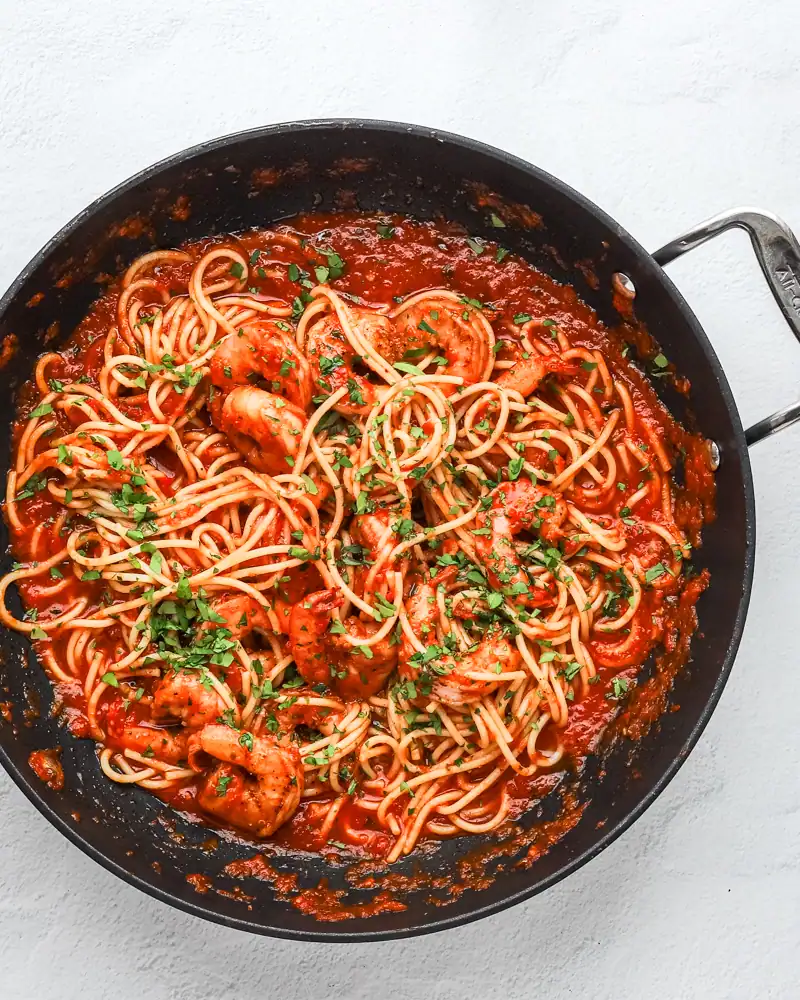
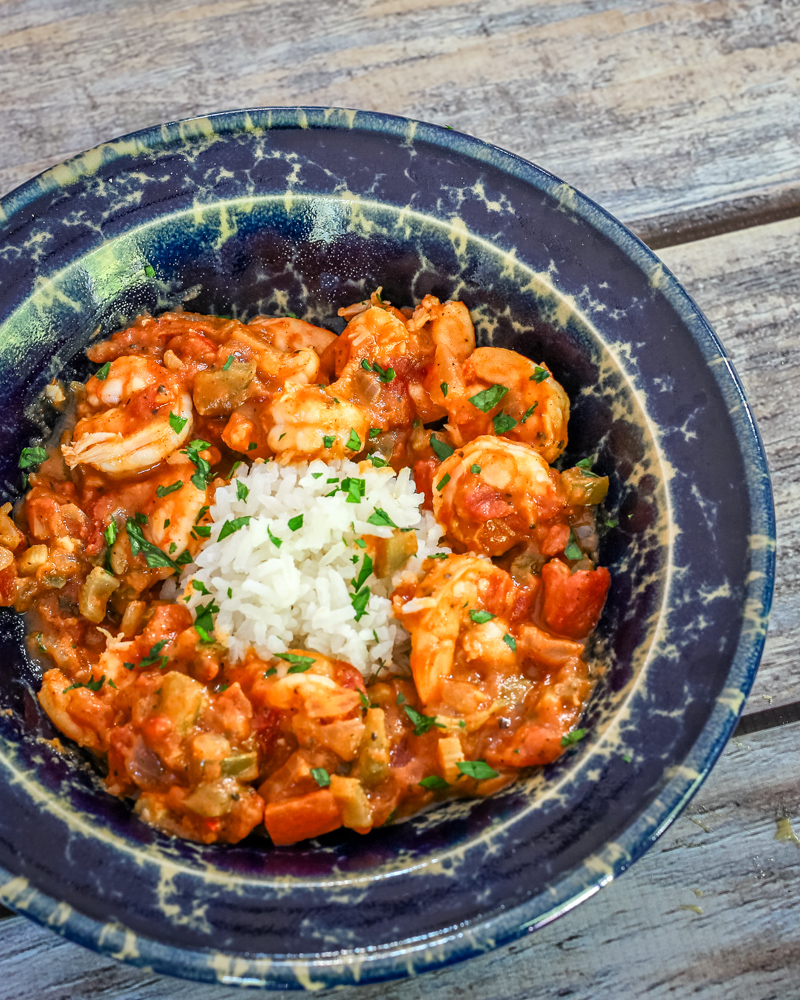
Shrimp Fra Diavolo is the kind of dish that feels restaurant-worthy but comes together quickly enough for a busy weeknight. The shrimp simmer in a spicy tomato-wine sauce infused with garlic, crushed red pepper, and herbs, giving the entire dish a bold, vibrant flavor that wakes up the palate. The heat level is easy to adjust, so you can make it mildly tingly or truly fiery—whatever suits your table.
What makes this version particularly special is the optional garlic-lemon breadcrumb topping. It adds a layer of texture that contrasts beautifully with the saucy pasta and tender shrimp. Each bite is a mix of heat, brightness, crunch, and savory depth. Toss it with spaghetti or any long pasta you like, and you have a dish that looks elegant, tastes rich and spicy, and cooks in about 30 minutes from start to finish.
What You’ll Like About This Recipe
Fast but full of flavor. You get a restaurant-style seafood pasta in just around 30 minutes. The sauce develops depth quickly thanks to wine, garlic, tomato paste, and crushed red pepper.
Customizable heat level. Fra Diavolo means “brother devil,” and the dish is famously spicy—but you can easily scale the chili flakes up or down so everyone can enjoy it.
Restaurant-style texture. The garlicky panko topping adds crunch, which balances the saucy pasta and tender shrimp. It’s optional but takes the dish to another level.
Simple ingredients, big payoff. Pantry staples—canned tomatoes, tomato paste, wine, garlic, herbs—create a deeply flavorful sauce with minimal prep.
Pairs well with many sides. This pasta loves fresh vegetables, salads, crusty bread, or roasted greens. It’s easy to turn into a full Italian-style meal.
Ingredient Notes
- Shrimp – Large shrimp work best here; they stay juicy and tender in the quick, spicy sauce. Fresh or thawed frozen shrimp both work well.
- Crushed red pepper flakes – Add signature heat. Start small and adjust as the sauce simmers. Heat intensifies as it cooks.
- Dry white wine – Adds acidity and depth. Choose a dry style like Pinot Grigio or Sauvignon Blanc. If avoiding alcohol, use seafood stock or extra broth.
- Crushed tomatoes & tomato paste – Make the base robust, rich, and thick enough to cling to pasta.
- Garlic – Used in both the sauce and the breadcrumb topping for aromatic depth.
- Oregano & basil – Classic Italian herbs that balance the heat with earthy, savory flavor.
- Panko breadcrumbs – Toasted with butter and lemon zest to add crunch and brightness.
- Spaghetti or similar pasta – Long noodles catch the sauce well. Linguine or bucatini are excellent alternatives.
How to Make It
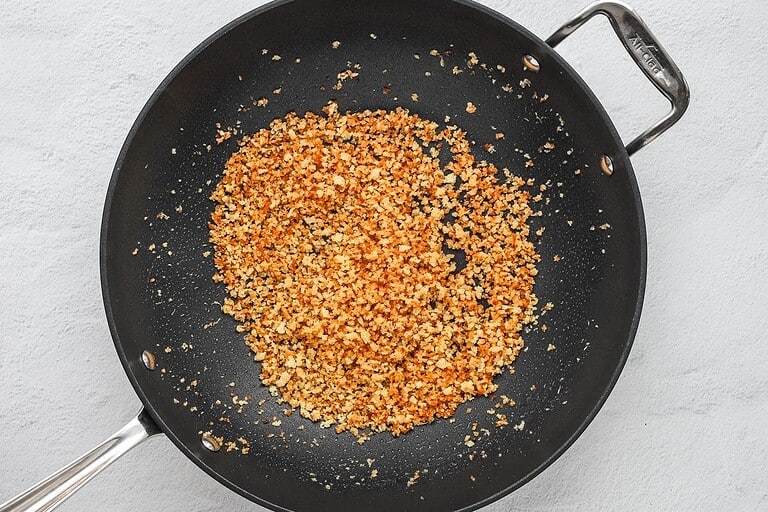
- Prepare the breadcrumb topping by gently toasting panko in butter and oil. Stir in the garlic briefly, then toast until golden. Add lemon zest at the end so it stays bright and fragrant.
- Season the shrimp with chili flakes, salt, and black pepper. This lightly flavors the shrimp before they go into the sauce.
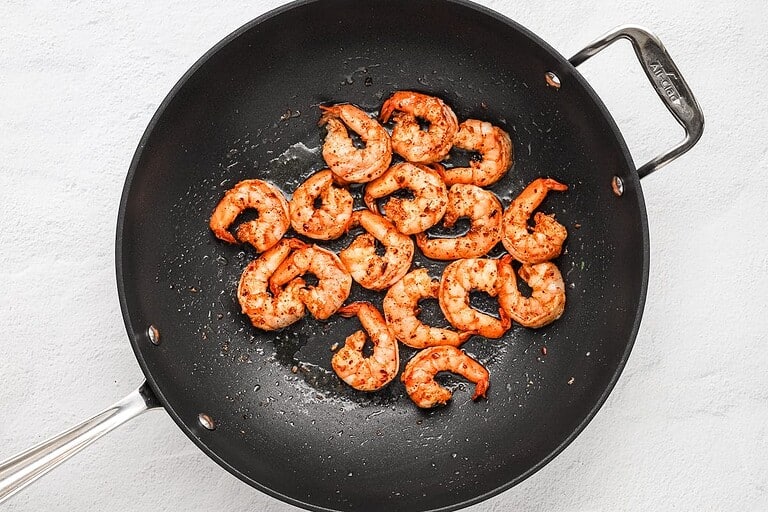
- Sear the shrimp in olive oil just until they start to turn pink. They will finish cooking in the sauce, which keeps them tender instead of rubbery.
- Build the sauce in the same skillet. Cook garlic briefly, then add wine to deglaze and dissolve the browned bits. Stir in tomatoes, tomato paste, herbs, and sugar, which balances acidity.
- Simmer the sauce until thickened, allowing the flavors to develop. Taste and adjust the seasoning or heat level.
- Boil the pasta in salted water until al dente, reserving a little of the starchy water to help the sauce cling to the noodles.
- Return the shrimp to the skillet along with the pasta. Add pasta water as needed and toss until everything is glossy, saucy, and evenly coated.
- Serve the pasta with the garlic breadcrumb topping and a sprinkle of fresh parsley for color and freshness.
Pro Tips
- Don’t overcook the shrimp. Sear them briefly and let them finish in the sauce to keep them tender and juicy.
- Bloom the chili flakes in oil. Adding them with the shrimp or early in the sauce helps release more aroma and heat.
- Use quality tomatoes. Crushed tomatoes vary widely—San Marzano–style or a reputable brand gives the sauce better flavor.
- Cook the tomato paste. Let it sit in the pan for a minute before adding liquids; this deepens the sauce and prevents raw tomato flavor.
- Reserve pasta water. A splash helps the sauce emulsify into a silky coating that clings perfectly to long noodles.
Recipe Variations
- Extra-spicy version. Add more chili flakes, a pinch of Calabrian chili paste, or diced fresh hot peppers.
- Seafood mix. Replace half the shrimp with scallops, calamari, or mussels for a seafood fra diavolo.
- White wine swap. Use seafood broth, chicken broth, or even clam juice if avoiding alcohol.
- Tomato-light version. Use half crushed tomatoes and half cherry tomatoes, letting them burst in the pan for a fresher sauce.
- Breadcrumb alternatives. Swap panko for toasted Italian breadcrumbs or omit entirely for a lighter dish.
Serving Suggestions
- Serve with crusty garlic bread or a warm baguette to soak up the sauce.
- Add a crisp salad with lemon vinaigrette to balance the spicy, rich pasta.
- Pair with asparagus, broccolini, or sautéed spinach for a green side.
- Choose a light dessert like lemon sorbet or panna cotta to finish the meal.
How to Store
Refrigerate: Store leftovers in an airtight container for up to 3 days. Reheat gently to avoid overcooking the shrimp.
Freeze: Shrimp can become tough after freezing, but the sauce freezes well. Freeze the sauce alone for up to 3 months; add fresh-cooked shrimp when serving.
Reheat: Warm gently in a skillet over low heat with a splash of water or broth until the pasta loosens and the shrimp are just heated through.
Frequently Asked Questions
Shrimp Fra Diavolo
Ingredients
For the Optional Topping
- ¾ cup panko crumbs
- 1 tablespoon butter
- 1 tablespoon olive oil
- 1 teaspoon grated garlic
- ½ teaspoon lemon zest
For the Shrimp and Pasta
- 12 ounces shrimp, (large, peeled and deveined)
- ½ teaspoon crushed red chili flakes, (or to taste)
- ½ teaspoon fine sea salt, (or to taste)
- ¼ teaspoon freshly ground black pepper
- 1 tablespoon olive oil
- 1 ½ teaspoons grated garlic
- ¼ cup dry white wine
- 2 cups crushed tomatoes, (1 can, 14.5 ounces)
- 3 tablespoons tomato paste
- ½ teaspoon dried oregano
- 1 tablespoon fresh chopped basil, (or 1/2 teaspoon dried)
- ¼ teaspoon sugar
- 1 tablespoon kosher salt, for the pasta cooking water
- 8 ounces spaghetti, (dry, or a similar long pasta)
- 1 tablespoon chopped parsley, (for garnish)
Instructions
- Make the Optional Breadcrumb Topping: Heat 1 tablespoon of butter and 1 tablespoon of olive oil in a pan over medium heat. Add the grated garlic and cook for 30 seconds. Add the panko crumbs and continue cooking and stirring until the crumbs are browned and aromatic. Add the lemon zest; toss and set aside.

- Prep and Cook the Shrimp: Meanwhile, toss the shrimp in a bowl with the chili flakes, sea salt, and black pepper. Heat the oil in a large skillet over medium heat. Add the shrimp and cook for about 3 minutes, turning frequently. They should be starting to brown here and there, but they don't have to be fully cooked through. Remove the shrimp to a plate and set aside.
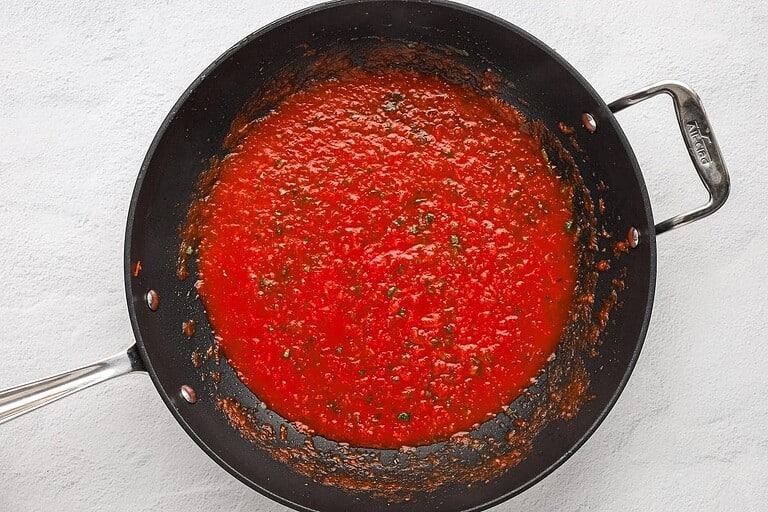
- Make the Sauce: Add the garlic to the pan and cook for 30 seconds. Add the wine, scrape up any browned bits, and let it cook until reduced by about half. Add the tomatoes, tomato paste, oregano, sugar, and basil. Bring to a simmer, reduce the heat to low, and cook for 10 minutes.
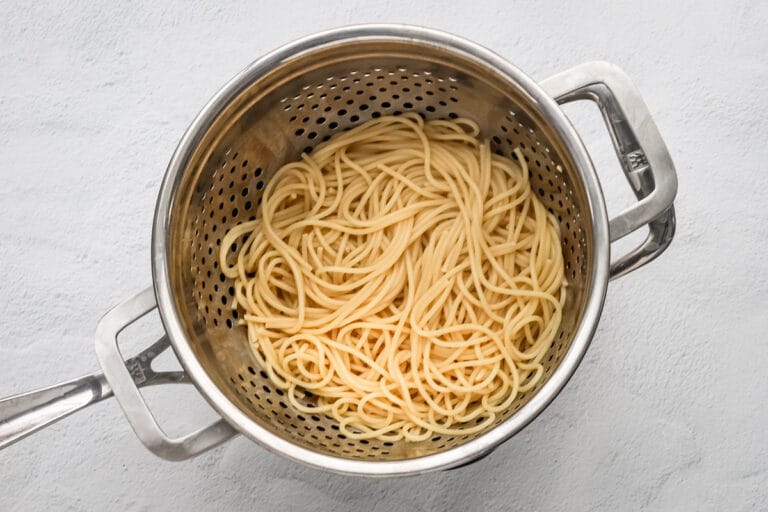
- Cook the Pasta: While the sauce is simmering, add 1 tablespoon of kosher salt to a large pot of water and bring to a boil. Add the pasta and cook to al dente. Save 1/2 cup of the cooking water and drain.
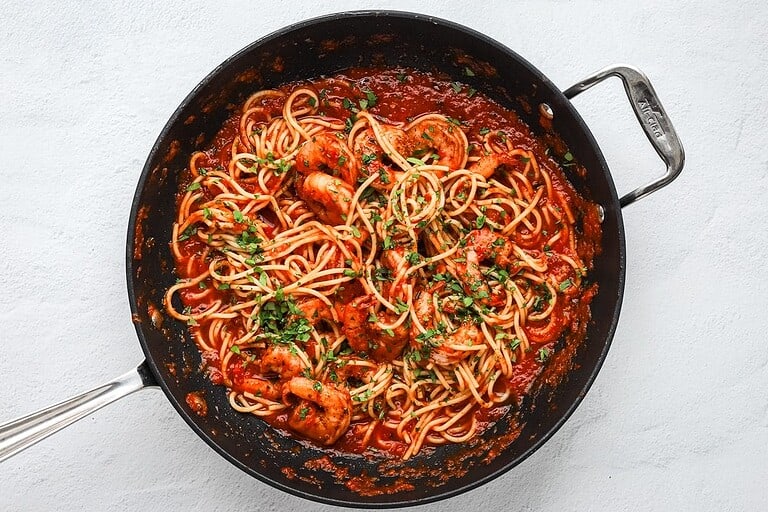
- Finish the Dish: Add the shrimp back to the skillet. Add the pasta and continue cooking, adding pasta water a little at a time until the sauce clings to the pasta and shrimp are fully cooked. Serve the pasta with the breadcrumb topping (if using) and parsley garnish.
Nutrition
Disclaimer:
Our nutritional information is based on a third-party application that analyzes the ingredients list to determine the values. The information is meant to be helpful, but should be considered an estimate. Values may differ depending on measurements, brands, serving variations, and database availability.

This was delicious!