Pork and Green Onion Wraps
Impress your guests with these Asian-inspired pork tenderloin and green onion wraps. A light and flavorful appetizer option.

This post may contain affiliate links. See our Privacy Policy.
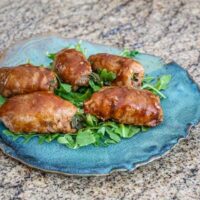
These pork and green onion wraps deliver big flavor in a small, easy-to-eat package. Thin slices of pork tenderloin are wrapped around crisp green onions, creating a tender bite with a fresh pop of texture. Once the rolls soak in a savory-sweet mixture of soy sauce, hoisin, garlic, and ginger, they bake quickly and develop a glossy finish that looks beautiful on a platter.
They’re the kind of appetizer that feels special but doesn’t require complicated prep. You can assemble the rolls ahead of time, marinate them for deeper flavor, and bake them just before serving. They’re light but satisfying, easy to pair with rice or dipping sauces, and simple enough for weeknights while still polished enough for entertaining.
What You’ll Like About This Recipe
- Simple ingredients, big flavor. Everyday pantry staples—soy sauce, garlic, ginger, and hoisin—come together to create a layered, savory glaze that tastes more complex than the short list of ingredients. A touch of honey or brown sugar balances the saltiness and makes the pork caramelize slightly as it bakes.
- Fast to prepare with make-ahead flexibility. Tenderloin slices quickly, the rolls assemble in minutes, and the marinade mixes in one bowl. You can refrigerate the rolls for a few hours before baking, making them ideal for parties or for prepping earlier in the day.
- A fun handheld appetizer. The small, rolled pieces are easy to pick up and eat, and the green onion inside adds a crisp counterpoint to the tender pork. With a sprinkle of sesame seeds, the rolls look elegant on a serving tray.
- Light but satisfying. Pork tenderloin cooks fast and remains tender without added fat. The simple seasoning keeps the dish flavorful and appealing without being heavy. You can also use a sugar alternative to keep the rolls low-carb.
- Adaptable flavor profile. Once you know the method, you can shift the marinade toward sweet, spicy, gingery, or smoky flavors. The rolls also pair well with sauces like spicy mayo, sweet chili sauce, teriyaki, or ponzu.
Ingredient Notes
- Pork tenderloin – This cut stays tender even when sliced thinly and cooked quickly, which makes it ideal for rolled appetizers. Look for a piece with a consistent thickness so your medallions end up roughly the same size. If the tenderloin has a silver skin strip, trim it away so the slices don’t curl or become chewy. Slightly chilled pork is easier to slice thinly and evenly.
- Green onions – Fresh, firm scallions provide the crisp bite that contrasts with the soft, juicy pork. Use both the white and light green portions for flavor and structure. Thicker stalks hold up better during baking and retain a pleasant crunch inside the roll.
- Soy sauce – Adds salt and savory depth to the marinade. Low-sodium soy sauce gives you more control over seasoning and prevents the marinade from tasting overly salty after reduction. Tamari is a great option if you prefer a gluten-free alternative with a slightly richer flavor.
- Honey or brown sugar – A touch of sweetness balances the salt, enhances browning, and helps the glaze cling to the pork. Honey creates a silkier finish, while brown sugar adds a deeper caramel note.
- Hoisin sauce – Thick, sweet, and savory, it acts as the body of the marinade. It helps the sauce become glossy when reduced and adds mild spice and umami. Some brands are sweeter than others, so adjust your honey or sugar accordingly if you want a more balanced glaze.
- Ginger and garlic – These fresh aromatics bring warmth, brightness, and a classic Asian profile to the rolls. Finely grated ginger melts into the marinade and carries its flavor throughout the dish.
- Cornstarch – Used to thicken the baking juices into a smooth finishing sauce. It creates a glossy texture that coats the pork without becoming gummy.
- Sesame seeds – Optional but visually appealing. They add light nuttiness and a nice contrast on the surface of the rolls. Toasting them lightly enhances aroma and improves their crunch.
Steps to Make Pork and Green Onion Wraps
- Slice the pork tenderloin into thin, even medallions. Aim for uniform thickness so all the rolls cook at the same pace. If the slices vary or feel uneven, gently flatten them by pressing with your palm to create a smooth surface and easier rolling.
- Prepare the green onions by trimming off the root ends and any wilted green tips. Cut them into short segments that fit neatly inside the pork slices. The white and light green parts contribute the most flavor, so include both for balance.
- Lay a pork medallion flat and place a few pieces of green onion along one edge. Roll tightly to enclose the scallions, pressing the seam underneath to help it stay closed. If a slice tries to unravel, adjust thickness or roll direction until it holds naturally without force.
- Mix the marinade ingredients in a shallow dish until smooth. This blend should taste slightly sweet and aromatic, with enough depth from the soy and hoisin to flavor the pork as it cooks. Ensure the garlic and ginger are well distributed so each roll absorbs their flavor.
- Add the pork rolls to the marinade and turn them so every surface is coated. Letting them rest for even 15 minutes helps the flavors penetrate. If preparing ahead, refrigerate the dish so the pork picks up more complexity and tenderness.
- Bake the rolls in a single layer so the heat circulates evenly around them. As they cook, brush or spoon the marinade over the tops to help them develop a glossy coating and prevent dryness. The pork should remain tender and just cooked through.
- Transfer the rolls to a plate and pour the remaining pan juices into a small saucepan. Stir in the cornstarch slurry and bring the mixture to a gentle simmer. Whisk until the sauce thickens enough to coat the back of a spoon and becomes slightly translucent.
- Brush or spoon the thickened sauce over the rolls to finish. The glaze should cling without dripping excessively, giving each piece a polished look and enhancing the savory-sweet flavor. Sprinkle sesame seeds over the top if using.
Pro Tips
- Pre-chill the pork before slicing if it feels too soft. Slightly firm meat cuts into cleaner, more uniform pieces, making rolling easier and producing a neater presentation.
- Pound lightly if the medallions vary in thickness. A few taps help the slices roll smoothly and cook evenly, preventing some rolls from drying out while others lag behind.
- Roll in the right direction by placing the green onions along the shorter side of the slice. This creates tighter, more stable rolls that stay closed without toothpicks.
- Brush frequently during baking to keep the pork moist. The marinade helps build both flavor and shine, and repeated coating ensures the rolls don’t dry out in the oven.
- Cut the rolls on a slight angle for a more elegant presentation. Angled slices expose the bright scallion interior and make the platter look more dynamic.
Recipe Variations
- Spicy version. Add sambal oelek, sriracha, or crushed red pepper to the marinade. A spicy mayo drizzle also works well when serving.
- Ginger-forward rolls. Increase the ginger and slightly reduce the hoisin for a brighter, more aromatic profile that pairs well with lighter dipping sauces.
- Teriyaki-style glaze. Swap the honey and hoisin for a thick teriyaki sauce and brush it on in layers during baking for a lacquered finish.
- Low-carb adaptation. Use sugar-free sweetener and a reduced-sugar hoisin alternative. Everything else in the recipe is naturally low in carbohydrates.
- Vegetable-enhanced rolls. Tuck in a thin strip of carrot or bell pepper alongside the green onion for extra crunch and color.
Serving Suggestions
- Serve as a warm appetizer on a platter with cocktail picks.
- Pair with steamed rice or cauliflower rice for a light lunch.
- Add to an Asian-themed dinner party with dumplings or lettuce wraps.
- Offer with extra sauce on the side for dipping.
How to Store
- Refrigerate: Store leftovers in an airtight container for up to 3 days. If possible, keep the sauce separate so the rolls don’t soften too much.
- Reheat: Warm gently in a covered skillet or at low power in the microwave to keep the pork tender. Add a splash of water or sauce if needed.
- Freeze: Freeze the cooked rolls on a baking sheet until firm, then transfer to freezer bags. Thaw in the refrigerator before reheating to avoid overcooking.
Pork and Green Onion Wraps
Ingredients
- ¾ pound pork tenderloin
- kosher salt and freshly ground black pepper, to taste
- 6 green onions
- 1 clove garlic, crushed and finely minced
- 1 tablespoon soy sauce
- 1 tablespoon honey , or brown sugar
- 1 tablespoon vegetable oil
- 1 tablespoon hoisin sauce
- 1 teaspoon fresh grated ginger
- 1 teaspoon cornstarch
- 2 teaspoons cold water
- Sesame seeds, for garnish, optional
Instructions
- Preheat oven to 400°F.
- Trim any excess fat from pork tenderloin, then slice it into 16 to 20 medallions
- Flatten the pork slices with the heel of your hand or the side of a knife. Sprinkle lightly with kosher salt and freshly ground black pepper.
- Trim the green onions, then cut each into 3 or 4 pieces.
- Place a few pieces of green onion on a meat slice and roll up. Combine the garlic, soy sauce, honey, oil, hoisin sauce, and ginger in a shallow baking dish. Place the pork rolls in sauce mixture seam-side down and turn to coat. If preparing a few hours ahead, cover and refrigerate.
- Bake, uncovered, for about 15 minutes or until meat is no longer pink in the center. The minimum safe temperature for pork is 145°F (USDA). During baking, baste the pork tenderloin rolls frequently with the sauce. Remove the pork to a plate and keep warm.
- Pour the juices into a small saucepan. Combine the cornstarch with 1 tablespoon of cold water and mix until smooth. Stir into the juices.
- Place the pan over medium heat and bring to a simmer. Cook until thickened, whisking frequently.
- Brush the thickened sauce over the pork rolls.
- Serve hot or warm, garnished with sesame seeds.
Nutrition
Disclaimer:
Our nutritional information is based on a third-party application that analyzes the ingredients list to determine the values. The information is meant to be helpful, but should be considered an estimate. Values may differ depending on measurements, brands, serving variations, and database availability.