Anne’s Sweet and Tangy Radcliffe Beets
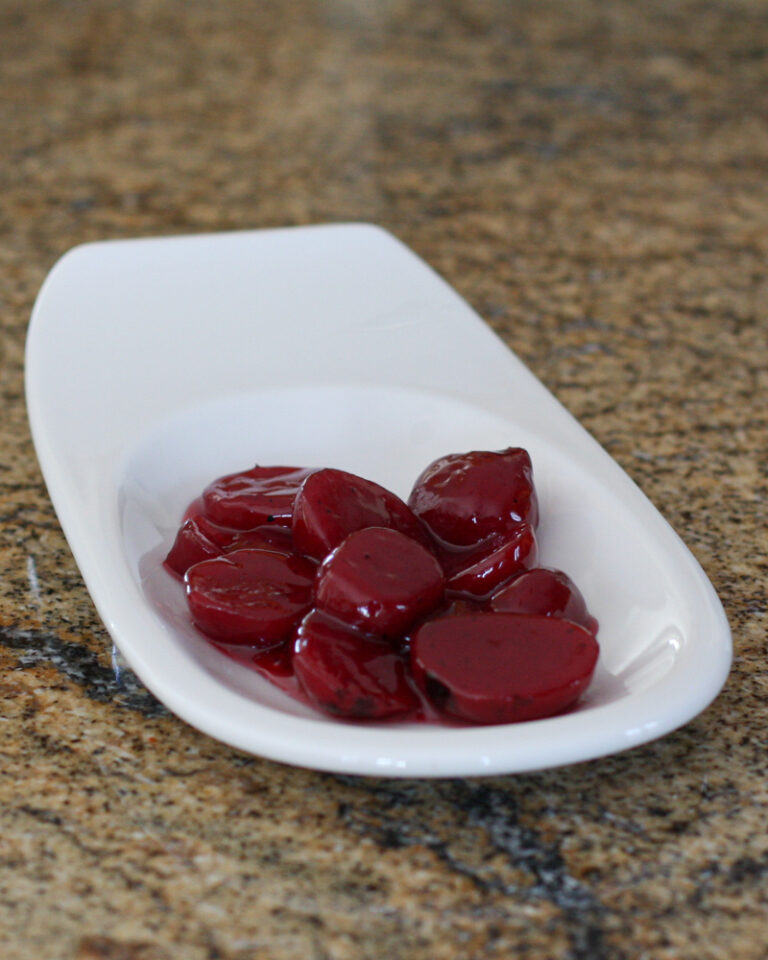
Take your beets to the next level with this sweet and tangy recipe. Made with canned beets, orange juice, and red wine vinegar.

Canned beets make these elegant, sweet, and tangy beets a snap to fix. With orange juice and red wine vinegar, these ivy league beets offer a creative twist on Harvard beets. The recipe hails back to when Radcliffe was a women’s college and separate from Harvard. It’s still a tasty recipe!
Because the recipe uses canned beets, it comes together quickly—perfect for weeknights, holiday tables, or whenever you want a colorful side without extra prep. The balance of sweetness, tang, and gentle citrus notes makes these beets a natural partner for rich meats, roasted poultry, or classic Southern and Midwestern meal spreads. Even those who are hesitant about beets may be pleasantly surprised by how bright and well-rounded these flavors are.
What You’ll Like About This Recipe
- A fresh twist on a nostalgic classic. Inspired by Harvard beets but enhanced with orange zest and juice, this version is brighter and more layered. The citrus adds a gentle lift that keeps the dish from feeling overly sweet.
- Quick and convenient preparation. Using canned beets means no peeling, roasting, or boiling. The recipe is ready in minutes but still tastes homemade thanks to the freshly made sauce.
- A beautifully balanced sweet-tangy glaze. Red wine vinegar brings depth, while brown sugar provides mellow sweetness. When thickened with a touch of cornstarch, the sauce becomes smooth and glossy.
- Colorful and versatile. Its jewel-toned appearance and bold flavor make it a standout side dish for holiday meals, yet it’s simple enough for everyday dinners.
Ingredient Notes
- Canned beets – Use sliced or diced beets depending on your preferred texture. Canned beets work especially well because they release a flavorful juice that enriches the sauce.
- Orange juice and zest – Fresh orange zest brightens the dish, while the juice adds sweetness and acidity. If the orange is large and juicy, you may get more than enough juice for the recipe.
- Red wine vinegar – Provides the tang that defines the dish. It’s bold but smooth, making it ideal for pairing with sweetened vegetables.
- Brown sugar – Adds gentle molasses undertones and helps balance the vinegar. Light or dark brown sugar both work.
- Cornstarch – Ensures the glaze thickens properly. Whisk it into the cool liquids before heating to avoid lumps.
- Butter – Finishes the sauce with a silky sheen and softens the acidity. Even a small amount improves texture significantly.
Steps to Make Anne’s Sweet and Tangy Radcliffe Beets
- Drain the canned beets, reserving part of the liquid separately. Warm the beets briefly in a saucepan, then transfer them to a bowl while preparing the sauce.
- Zest the orange and squeeze enough juice to meet the recipe’s measurement. Combine the orange juice and zest with the reserved beet liquid to build a flavorful base for the glaze.
- In the same saucepan used to heat the beets, whisk together the cornstarch, vinegar, brown sugar, and the beet-orange mixture. Mixing the cornstarch into cool liquids helps create a smooth glaze.
- Bring the mixture to a boil over medium heat, whisking frequently. As it heats, the sauce will thicken and become glossy.
- Return the beets to the saucepan along with the butter. Stir gently to coat the beets evenly and allow them to warm through without breaking apart.
- Taste the dish and adjust seasoning with salt and pepper. Serve warm for the best texture and balanced flavor.
Pro Tips
- Adjust sweetness to taste by adding additional brown sugar or reducing the vinegar slightly.
- Use freshly zested orange for maximum citrus intensity; bottled juice won’t replicate the same flavor.
- Keep the glaze glossy by adding butter at the end of cooking, not at the beginning.
Recipe Variations
- Spiced citrus beets. Add a pinch of cinnamon, cloves, or allspice to introduce a warm, holiday flavor.
- Honey-glazed version. Replace some or all of the brown sugar with honey for a smoother, floral sweetness.
- Ginger-orange beets. Stir in a teaspoon of grated fresh ginger for a bright, aromatic twist.
- Balsamic variation. Substitute balsamic vinegar for red wine vinegar to create a deeper, sweeter glaze.
- Fresh beet version. Roast or boil fresh beets and substitute them for canned beets. Add a splash of water or broth to replace the reserved beet liquid.
Serving Suggestions
- Serve with roasted chicken, pork chops, turkey, or glazed ham—the sweet-tangy balance complements richer meats.
- Pair with meatloaf or pot roast to add brightness and color to the plate.
- Add these beets to a holiday table alongside stuffing, mashed potatoes, or green bean casserole for a vibrant contrast.
How to Store
- Refrigerate: Store leftovers in an airtight container for up to 4 days. The flavors continue to develop as the glaze settles.
- Reheat: Warm gently in a saucepan over low heat. Add a splash of water or orange juice if the glaze thickens too much.
- Freeze: Freeze for up to 2 months. Thaw in the refrigerator and reheat gently to preserve texture.
Anne’s Sweet and Tangy Radcliffe Beets
Ingredients
- 1 can beets, 15 ounces, sliced or diced
- 1 large orange
- 1 1/2 teaspoons cornstarch
- 1/2 cup red wine vinegar
- 1/4 cup brown sugar
- 1 tablespoon butter
- Dash salt and pepper, to taste
Instructions
- Pour 1/3 cup of beet juice into a measuring cup and reserve. Put the beets and their remaining liquid in a saucepan and place over medium heat. Bring the beets to a simmer; drain and transfer to a bowl.
- Zest enough of the orange to make 1 teaspoon. Squeeze 5 tablespoons of orange juice. Add the orange juice and zest to the reserved beet juice.
- In the same saucepan used to cook the beets, combine the cornstarch, vinegar, brown sugar, and the beet and orange juice mixture; whisk to blend.
- Bring the mixture to a boil over medium heat.
- Add the beets and butter to the saucepan and heat for 2 to 3 minutes or until hot.
- Taste and season with salt and pepper as desired.
Nutrition
Disclaimer:
Our nutritional information is based on a third-party application that analyzes the ingredients list to determine the values. The information is meant to be helpful, but should be considered an estimate. Values may differ depending on measurements, brands, serving variations, and database availability.