Creamy Lobster Newburg
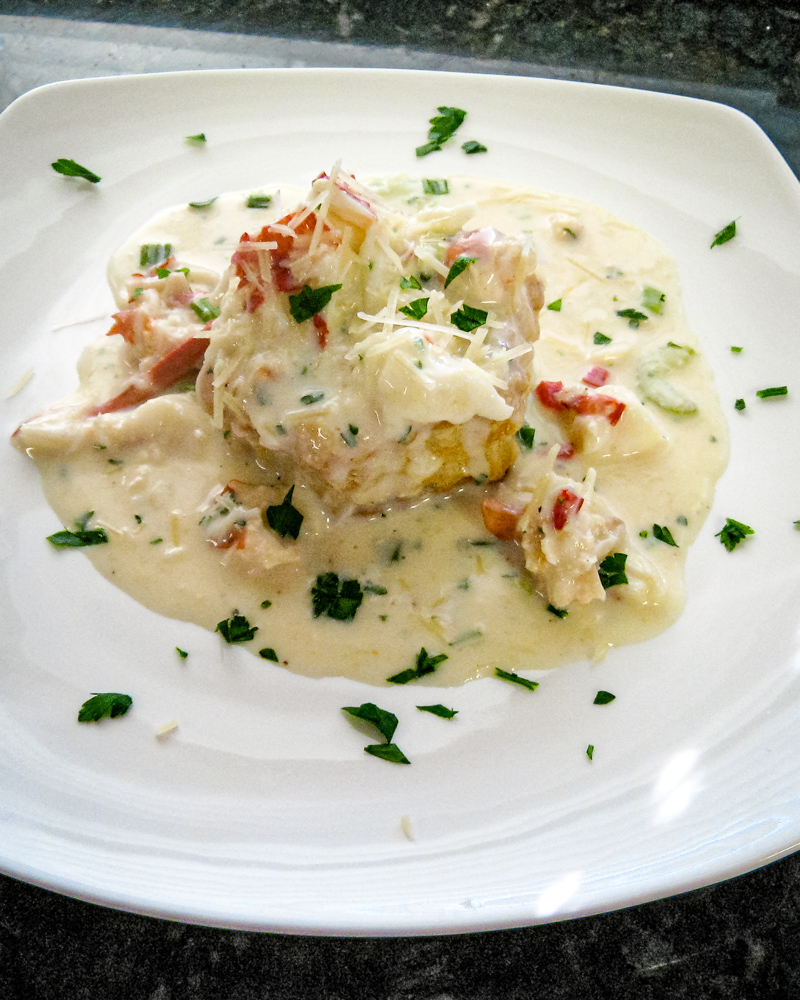
Lobster Newburg is a fantastic way to celebrate, but you don’t have to wait for a special occasion. Look for lobster when it is on sale, and enjoy this sublime creamy concoction over rice or toast points.

This post may contain affiliate links. See our Privacy Policy.
While it might sound like a fancy restaurant dish, Lobster Newburg is surprisingly easy to make at home. Tender, cooked lobster is folded into a silky cream sauce flavored with butter, sherry, paprika, and just a little nutmeg. It feels indulgent without requiring a long list of ingredients or complicated steps.
Lobster Newburg has been around since 1876 when the dish was brought to NYC’s Delmonico’s restaurant chef Charles Ranhofer by West Indies sea captain Ben Wenberg. The lobster Newburg was an instant hit, and one taste will tell you why. It has had a few names through the years, including “lobster a la Wenberg” and “lobster a la Delmonico,” but the or “Newburg” (at times, “Newberg”) stuck. The sauce, without the lobster, is often referred to as a Newburg sauce and is frequently used with other kinds of seafood, such as scallops, shrimp, and fish.
Look for lobster when it is on sale, and enjoy it over rice or toast points. The lobster and sauce are low-carb, too. If you are on a low-carb diet, serve it with zucchini or cauliflower rice. If lobster is too pricey or hard to come by in your area, make it with shrimp, scallops, or chunks of haddock or cod.
What You’ll Like About This Dish
Elegant but easy. Simple ingredients come together into a restaurant-style dish.
Rich and creamy. Egg yolks thicken the sauce into a velvety texture.
Perfect for special meals. A great option for holidays or date nights.
Ingredient Notes
- Lobsters: Three 1-pound lobsters give plenty of meat—claws, tails, and legs all contribute.
- Butter: Adds richness and helps flavor the lobster before finishing the sauce.
- Dry sherry: Essential for the classic Newburg flavor; slightly sweet and aromatic.
- Heavy cream: Forms the base of the sauce and reduces to thicken before adding the yolks.
- Nutmeg, paprika, cayenne: Add warmth, color, and just a hint of spice.
- Egg yolks: Thicken the sauce to a silky, custard-like consistency.
- Salt: Adjust to taste once the sauce is finished.
Steps to Make Creamy Lobster Newburg
- Boil the lobsters briefly and let them cool.
- Remove all the meat and cut into bite-size pieces.
- Melt butter and sauté the lobster gently.
- Remove lobster and deglaze the pan with sherry.
- Add cream and reduce the sauce until thickened.
- Add nutmeg, paprika, and cayenne.
- Temper the egg yolks with hot cream and return to the pan.
- Cook until the sauce coats the back of a spoon.
- Season and return the lobster to heat through.
- Serve over toast, rice, or puff pastry shells.
Tips for Lobster Newburg
- Don’t overcook the lobster—brief boiling keeps it tender.
- Temper the egg yolks slowly to avoid curdling.
- Keep the heat low once yolks are added to maintain a smooth sauce.
- Use good-quality sherry; it makes a noticeable difference.
Recipe Variations
- Shrimp or crab Newburg. Substitute shrimp or crab for a more budget-friendly version.
- Lighter sauce. Use half cream and half milk (sauce will be slightly thinner).
- Brandy finish. Add a splash of brandy for a deeper, more aromatic sauce.
- Herb twist. Add a little fresh tarragon or chives before serving.
- Spicier version. Add more cayenne or a pinch of white pepper.
Serving Suggestions
- Serve over puff pastry shells for a traditional presentation.
- Pair with buttered rice or toasted brioche.
- Add steamed asparagus or green beans on the side.
- Choose a simple salad to balance the richness.
- Top with reserved claw meat for a pretty garnish.
How to Store
Refrigerate: Store leftovers in an airtight container for up to 2 days.
Reheat: Warm gently over low heat; do not boil or the sauce may curdle.
Freeze: Not recommended—the cream and egg yolk sauce may separate.
Creamy Lobster Newburg
Ingredients
- 3 lobsters, about 1 pound each
- 5 tablespoons unsalted butter
- 3 tablespoons dry Sherry
- 1 ½ cups heavy cream
- Dash fresh grated nutmeg, or to taste
- ¼ teaspoon paprika
- Pinch cayenne pepper
- 4 large egg yolks
- ¼ teaspoon salt, or to taste
Instructions
- Bring a large kettle of salted water to a full boil. Quickly put the lobsters in the water head first. Cover the kettle. When the water returns to the boil, time the lobsters for 8 minutes. Remove them to a plate or cutting board and let them stand until they are cool enough to handle. Pull the legs and claws off and crack them; pull out the meat. Cut them down the underside and remove the meat from the body. Cut all of the meat into 1/2-inch pieces. Leave a few claw pieces larger for garnish if you like.
- Melt the butter in a heavy saucepan over medium-low heat. Add the chopped lobster and cook for about 2 minutes, stirring constantly. With a slotted spoon, remove the lobster to a plate or bowl and set aside.
- Add 2 tablespoons of Sherry to the pan and cook for about 2 minutes. Add the cream to the Sherry and butter mixture and bring to a boil. Boil over medium-low heat until reduced to about 1 cup. Whisk in the nutmeg, paprika, and cayenne pepper. Add the remaining 1 tablespoon of Sherry to the cream sauce.
- Whisk the egg yolks in a small bowl. Whisk about 1/3 cup of the hot cream mixture into the egg yolks. Return the egg yolk mixture to the saucepan and cook, whisking constantly, until it reaches 160 F, the minimum safe temperature for eggs. Continue cooking, whisking constantly, until the mixture coats the back of a spoon. To test, dip a spoon into the sauce. Run your finger down the back of the spoon. If the path you made does not fill in, it is done.
- Taste and add salt, as desired. Add the lobster to the sauce and heat through.
- Serve over rice, toast points, or puff pastry shells.
Nutrition
Disclaimer:
Our nutritional information is based on a third-party application that analyzes the ingredients list to determine the values. The information is meant to be helpful, but should be considered an estimate. Values may differ depending on measurements, brands, serving variations, and database availability.