Basic Clam Chowder
Bacon and clam juice add flavor to this easy, tasty, everyday clam chowder.

This post may contain affiliate links. See our Privacy Policy.
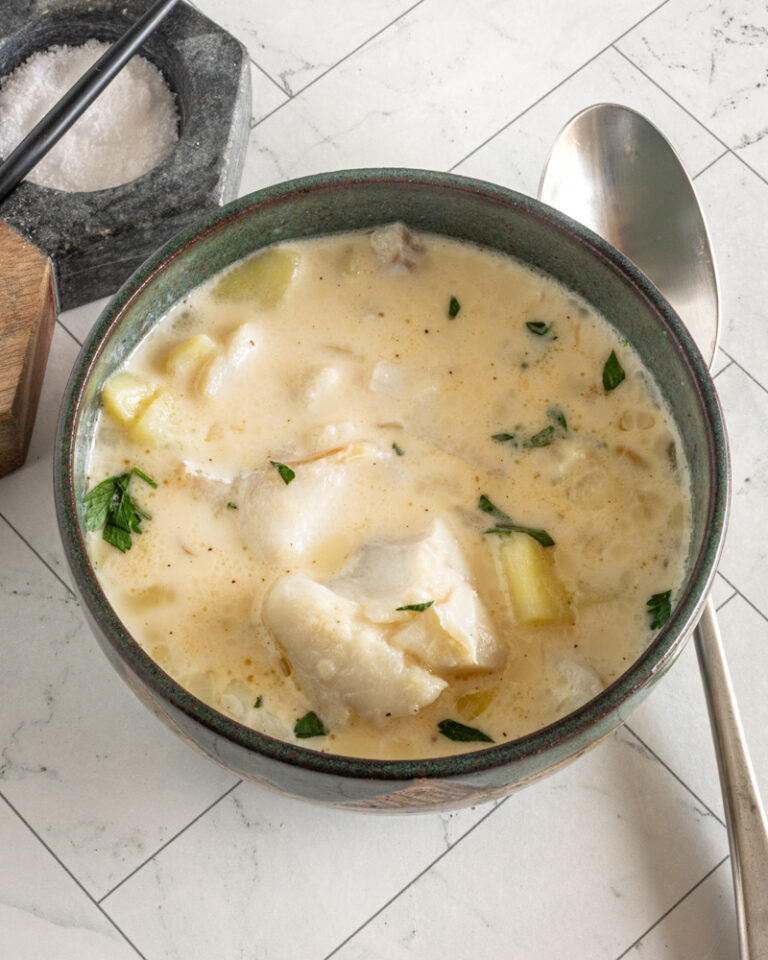
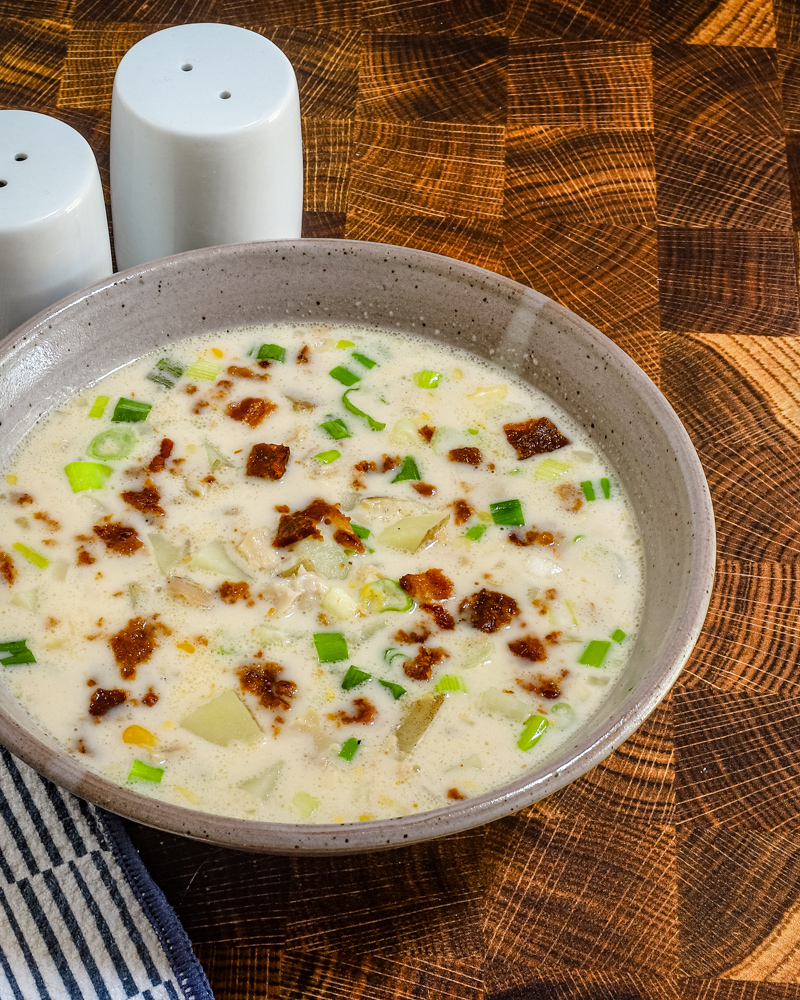
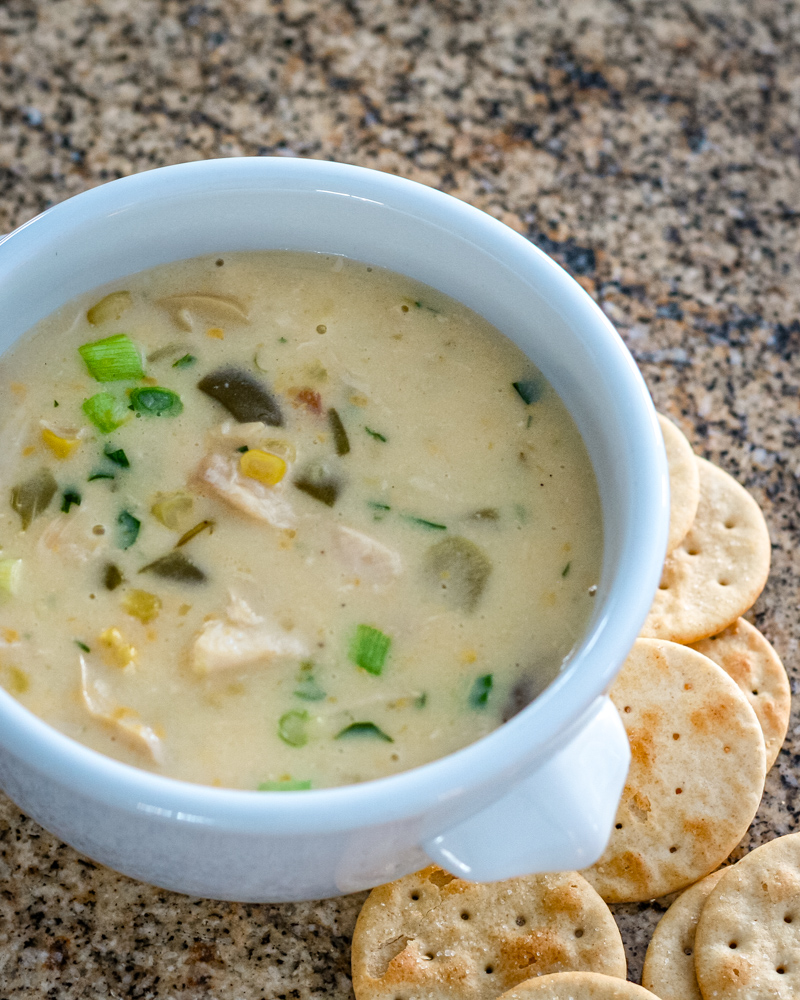
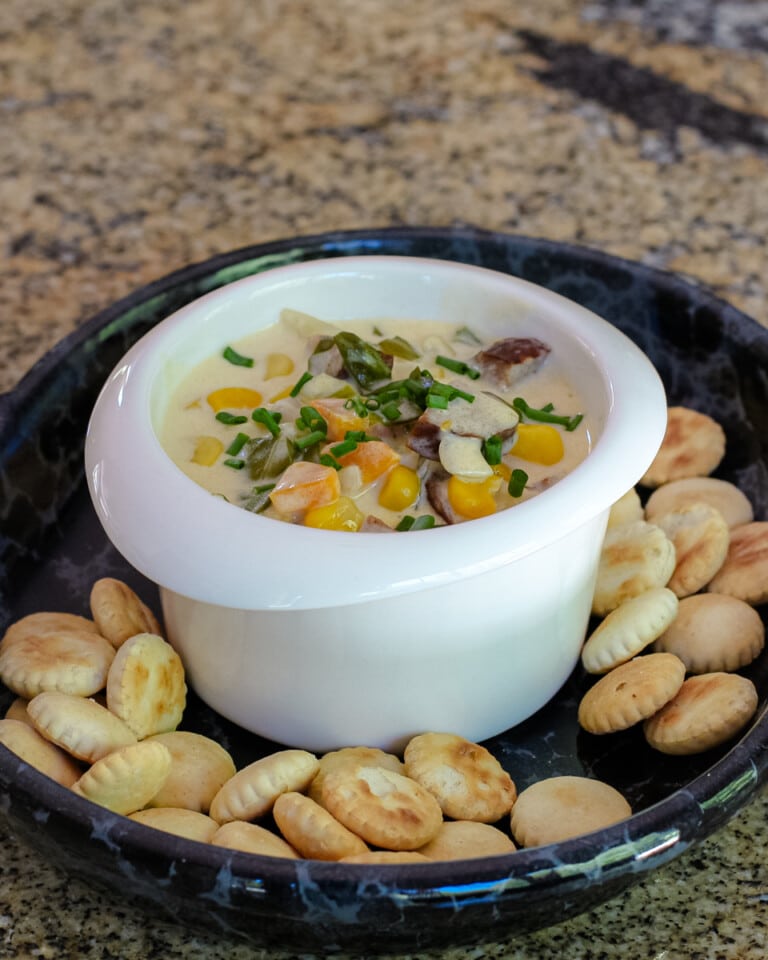
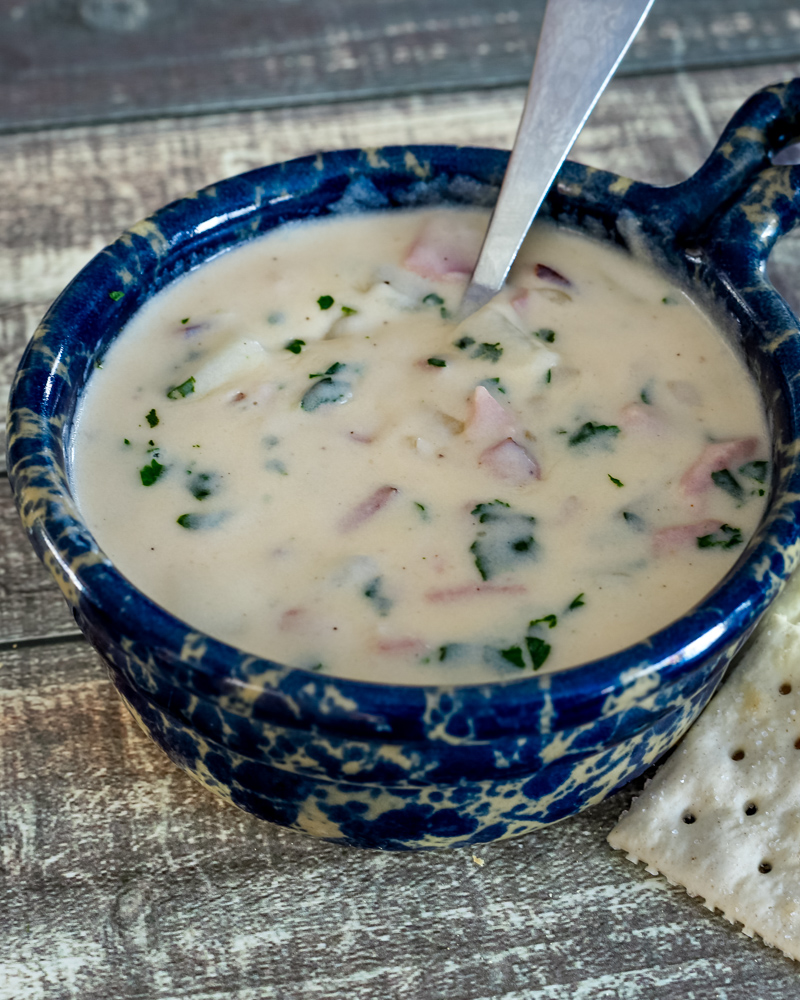
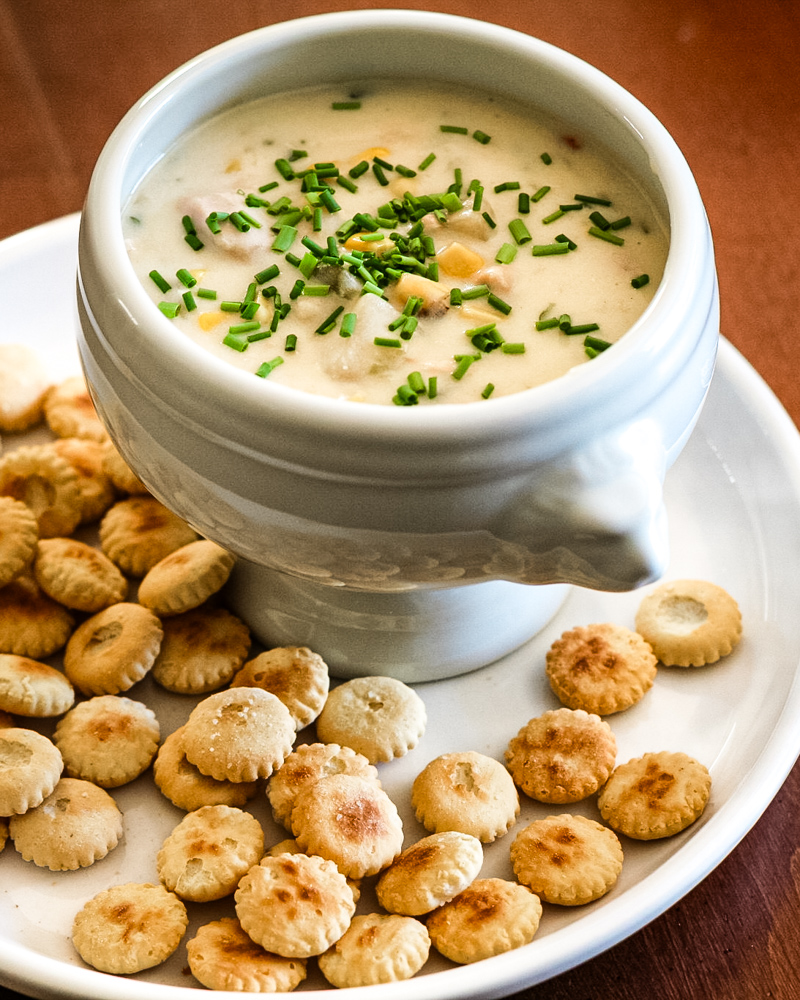
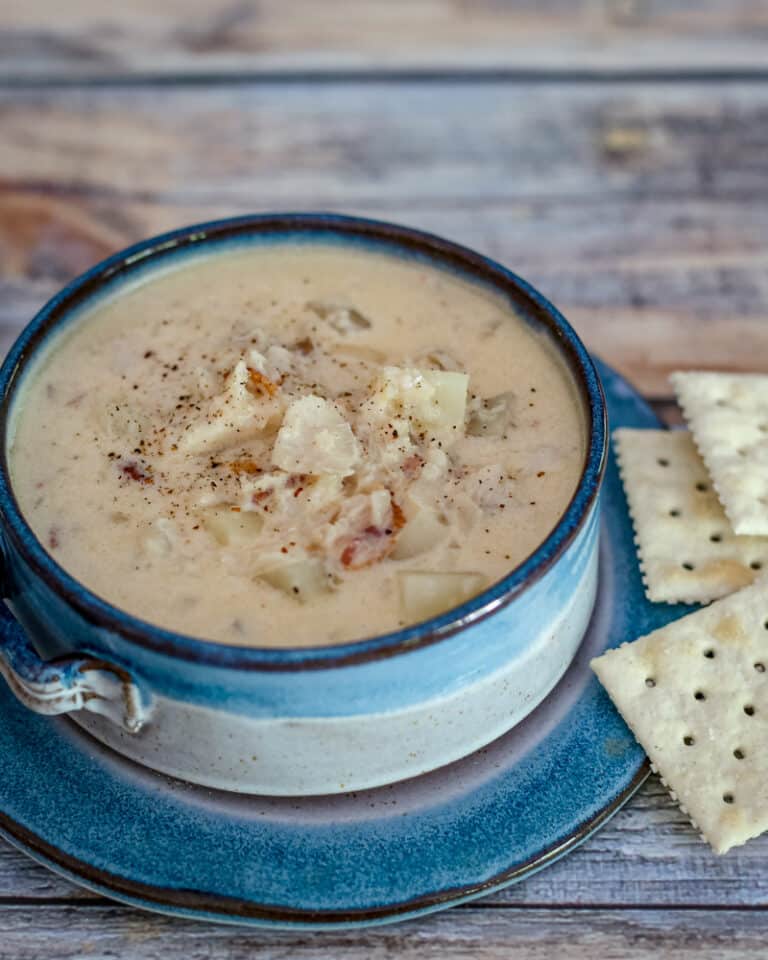
There’s something timeless about a bowl of clam chowder. It’s simple, cozy, and deeply satisfying in a way only classic recipes can be. This version keeps everything straightforward: smoky bacon for depth, plenty of tender potatoes, and enough cream to give the broth that silky texture everyone loves. The briny clam juice and minced clams bring all the coastal flavor without requiring any complicated steps, making this a chowder you can whip up on a weeknight or serve as a starter for a casual gathering.
What makes this chowder especially appealing is how it layers flavor with such minimal effort. Browning the bacon sets the stage, giving you a rich base to build on, and the chowder gently simmers until the potatoes are perfectly tender and the clams meld into the broth. It’s the kind of soup that feels familiar and comforting—something you’ve likely had many times before, yet it still feels special every time you ladle it into bowls. Whether you enjoy it with oyster crackers, crusty bread, or a sprinkle of herbs, this clam chowder promises a warm, hearty, uncomplicated meal you’ll want to make again and again.
What You’ll Like About This Recipe
Classic, coastal flavor. The combination of bottled clam juice and minced clams delivers a clean, briny taste that feels authentically New England without requiring fresh shellfish. The broth is gently layered so every spoonful tastes balanced and well-rounded.
Simple ingredients, big payoff. Nothing here is complicated or hard to find, yet the final chowder tastes like something slow-simmered from scratch. Bacon drippings build the base, onions add sweetness, and the cream smooths everything into a velvety finish.
Hearty and comforting. Tender potatoes and rich broth make this a filling meal on its own. It’s substantial without feeling heavy, and the textures—soft potatoes, silky broth, and small bites of clam—create a classic chowder feel.
Quick enough for weeknights. This recipe doesn’t require hours of simmering. Once the bacon is browned and the ingredients are combined, it comes together naturally while the potatoes cook, making it realistic for everyday meals.
Easy to customize. Add herbs, vegetables, or a touch of spice, or make it extra creamy depending on your preference. This recipe is a versatile base that adapts well to different tastes and occasions.
Ingredient Notes
- Bacon: The smoky, salty flavor of bacon builds the chowder’s foundation. Rendering the fat creates a deeply flavorful base that coats the onions and infuses the broth. Thick-cut bacon works nicely, but any style adds richness.
- Onion: A small chopped onion softens into the broth and quietly sweetens the chowder. Yellow onions are classic, but white onions work well if you prefer a cleaner, milder flavor.
- Clam juice: Bottled clam juice is the backbone of the chowder’s seafood flavor. It adds natural salinity and a clean brininess that mimics the taste of cooking fresh clams in their own liquor without the extra work.
- Minced clams: Canned clams are tender, convenient, and reliable year-round. Their small size distributes well throughout the soup so every bite includes clam flavor without the chewiness larger pieces sometimes have.
- Potatoes: Potatoes make the chowder hearty and help naturally thicken the broth as they simmer. Russets soften more and slightly break down, while Yukon Golds hold their shape better — either works, depending on your preferred texture.
- Water: Adding water keeps the chowder from becoming too heavy and allows the clam juice to shine. It also gives the potatoes room to cook properly before the cream is added.
- Butter: A small amount of butter enriches the broth and smooths the finish. It softens the edges of the briny flavors and contributes to the chowder’s velvety texture.
- Heavy cream: Heavy cream gives the chowder its signature luxurious body. It prevents the soup from feeling thin and balances the salt and smoke from the bacon and clam juice.
- Light cream or milk: Light cream (or milk, if preferred) brings the chowder to the perfect consistency without making it overly rich. It keeps the soup drinkably smooth while still indulgent.
- Salt and pepper: Needed only at the end — the bacon and clam juice contribute saltiness. Pepper adds warmth and gentle bite to round out the flavors.
How to Make It
- Cook the bacon in a Dutch oven or large saucepan until crisp, then remove and reserve.
- Leave some bacon drippings in the pan and add the onion, cooking until softened.
- Add the clam juice, clams, potatoes, and water, then simmer until the potatoes are tender.
- Stir in the butter and cream, heating gently until the chowder is hot.
- Season to taste and finish with the reserved bacon just before serving.
Pro Tips
- Don’t let the chowder boil after adding the cream, as high heat can cause the dairy to separate and affect the texture.
- Cut the potatoes into evenly sized pieces so they cook at the same rate and give the chowder a consistent texture.
- Taste before adding salt—between the bacon, clam juice, and clams, you may need very little additional seasoning.
- If you prefer a thicker chowder, gently mash a few potato pieces against the side of the pot and stir them back in.
Recipe Variations
- Add celery for extra aroma.
Diced celery sautéed with the onions brings a classic chowder depth and subtle herbal note. It softens into the broth and blends seamlessly with the potatoes. - Make it extra creamy.
Swap the light cream for more heavy cream or stir in a spoonful of crème fraîche. This gives the chowder a richer, more indulgent texture while still keeping the balance of flavors. - Add herbs for brightness.
A pinch of thyme or a sprinkle of fresh parsley can provide a gentle lift. Herbs keep the chowder from feeling too heavy and add a fresh contrast to the briny clams. - Include diced carrots for color and sweetness.
Carrots soften during cooking and lend a slight natural sweetness, adding more body and visual appeal to the soup. - Make a lighter version.
Use all milk instead of cream and swap half the potatoes for cauliflower florets. The chowder stays satisfying but becomes naturally lower in richness and carbohydrates.
Serving Suggestions
- Serve with crusty bread or oyster crackers to soak up the creamy broth.
- Add a simple green salad for contrast and freshness.
- Pair with a grilled cheese sandwich for a cozy, satisfying meal.
- Choose steamed clams or a light seafood appetizer if serving this as part of a larger menu.
How to Store
Refrigerate: Transfer cooled chowder to an airtight container and refrigerate for up to 3 days. Because it contains dairy and seafood, it’s best enjoyed within this window for safety and quality.
Freeze: Freezing is possible but may slightly change the texture due to the cream. If freezing, cool completely, pack in freezer-safe containers, and freeze for up to 2 months. Thaw overnight in the refrigerator.
Reheat: Warm gently on the stovetop over low heat, stirring frequently. Avoid boiling to prevent curdling. If reheating in the microwave, use short intervals, stirring between each burst to ensure even heating.
Frequently Asked Questions
Basic Clam Chowder
Ingredients
- 4 strips bacon
- 1 small onion, chopped
- 16 ounces clam juice, 8 ounces each clam juice
- 13 ounces clams, minced (2 6 1/2-oz cans)
- 12 to 16 ounces potatoes, diced
- 2 cups water
- 2 tablespoons butter
- 1 cups heavy whipping cream
- 1 cups light cream , or milk
- salt and pepper
Instructions
- Brown the bacon in a Dutch oven or large saucepan. Remove bacon with a slotted spoon; crumble and set aside. Leave 2 tablespoons of drippings in the pan.
- To the hot bacon drippings, add onion, clam juice, minced clams, potatoes, and water; simmer for about 25 to 30 minutes, or until potatoes are tender. Add butter, cream, and salt and pepper to taste; heat almost to boiling point.
- Sprinkle crumbled bacon over each serving.
Nutrition
Disclaimer:
Our nutritional information is based on a third-party application that analyzes the ingredients list to determine the values. The information is meant to be helpful, but should be considered an estimate. Values may differ depending on measurements, brands, serving variations, and database availability.