Chimichurri Recipe
Add vibrant color and flavor to food with this versatile chimichurri sauce recipe. Drizzle it on meat or vegetables for a sensational meal.

This post may contain affiliate links. See our Privacy Policy.
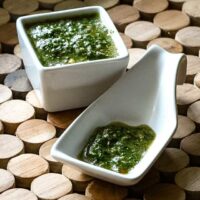
This Argentinian chimichurri sauce is bursting with fresh parsley, garlic, vinegar, and olive oil. It’s known for its bright, tangy flavor and stunning green color. Traditionally served with grilled steak, it’s also delicious on roasted vegetables, seafood, or even eggs.
Simple and quick to make, this chimichurri comes together in about 10 minutes and keeps beautifully in the fridge. Whether used as a marinade, drizzle, or dip, it’s a versatile staple that adds freshness and flair to any dish.
What You’ll Like About This Recipe
- Bright, bold flavor. Fresh parsley creates a clean, grassy foundation, while garlic, vinegar, and red pepper flakes add heat, tang, and complexity. Every spoonful enhances whatever it touches.
- Extremely versatile. Chimichurri is traditionally served with grilled beef, but it’s equally delicious on chicken, shrimp, roasted vegetables, grain bowls, potatoes, and sandwiches.
- Quick and no-cook. Everything blends together in minutes. No heating or simmering—just chopping, pulsing, and adjusting the texture with olive oil.
- Customizable across palates. You can increase garlic for sharper flavor, add extra vinegar for more tang, or reduce red pepper for a milder sauce. The core formula is flexible and forgiving.
- Great make-ahead sauce. Chimichurri improves as it rests, allowing the garlic and herbs to infuse the oil. It holds well in the refrigerator for several days.
Ingredient Notes
- Parsley – Use flat-leaf (Italian) parsley for the best flavor. Removing thicker stems keeps the sauce bright rather than grassy.
- Garlic – Fresh garlic adds pungency and depth. If you prefer a gentler sauce, soak the minced garlic in vinegar for a few minutes before blending.
- Red wine vinegar – Provides the acidity essential to classic chimichurri. Lemon juice can be used in part for a slightly fresher citrus note.
- Red pepper flakes – Add gentle heat and a bit of smokiness. Adjust the amount to suit your spice preference.
- Dried oregano – Gives the sauce an earthy undertone and ties the flavors together. A small pinch goes a long way.
- Olive oil – Extra-virgin oil adds richness and carries the flavors through the sauce. Choose a fruity, fresh-tasting oil for the best results.
- Salt and black pepper – Essential for balancing acidity and brightening the herbs.
How to Make It
- Add the chopped parsley, garlic, vinegar, water, salt, pepper, red pepper flakes, and oregano to a food processor or blender.
- Pulse until the herbs are finely chopped and the mixture begins to come together, keeping some texture visible.
- With the machine running, drizzle in the olive oil slowly so the sauce emulsifies slightly and develops a smooth, glossy consistency.
- Taste and adjust seasoning, adding more vinegar, oil, salt, or pepper depending on your preference.
- Transfer to a small bowl and serve immediately, or let the flavors meld for deeper complexity.
Pro Tips
- Pulse, don’t puree—chimichurri should have visible herb flecks and loose texture, not resemble a thick pesto.
- Use fresh parsley and avoid older leaves, which can turn the sauce bitter.
- Balance acidity by adjusting vinegar gradually; the ideal chimichurri has enough tang to cut through rich meats.
- Rest the sauce for at least 10 minutes before serving if possible; this allows the garlic and herbs to mellow.
- Stir before serving because the oil naturally separates during storage.
Recipe Variations
- Cilantro chimichurri. Replace half the parsley with cilantro for a more aromatic, Latin-inspired variation with citrusy notes.
- Chimichurri rojo. Add paprika or roasted red peppers for a reddish version with smoky undertones.
- Garlic-forward chimichurri. Increase garlic or use grated garlic for a sharper kick that stands up well to grilled steak.
- Lemon herb chimichurri. Add lemon zest and swap some vinegar for lemon juice to create a brighter, lighter sauce ideal for seafood.
- Spicy chimichurri. Add jalapeño or increase red pepper flakes for a hotter version.
Serving Suggestions
- Serve with grilled steak, chicken, pork, or lamb.
- Drizzle over roasted vegetables, rice bowls, or grain salads.
- Add to sandwiches or wraps for a zesty spread.
- Use as a marinade for beef, poultry, or tofu before grilling.
How to Store
- Refrigerate: Store in a covered jar or airtight container for up to 5 days. The flavors deepen as it rests, though the herbs may darken slightly.
- Freeze: Spoon chimichurri into ice cube trays, freeze, and transfer to a freezer bag. Use within 2 months for best color and flavor.
- Refresh: Stir in a splash of fresh vinegar or olive oil after refrigeration to revive the brightness and loosen the texture.
Chimichurri Recipe
Ingredients
- ¾ cup parsley, leaves and smallest stems only, chopped
- 1 tablespoon water
- 3 cloves garlic, minced
- 3 tablespoons red wine vinegar
- ½ teaspoon kosher salt
- ¼ teaspoon ground black pepper
- ½ teaspoon crushed red pepper flakes
- 1 teaspoon dried leaf oregano
- 4 tablespoons extra virgin olive oil
Instructions
- Chop: Put chopped parsley, water, minced garlic, vinegar, salt, pepper, red pepper flakes, and oregano in a food processor or blender. Pulse to chop finely.
- Process: Add the olive oil in a slow stream with the processor running.
- Serve: Transfer the chimichurri to a cup or small serving bowl or drizzle over meat or vegetables.
Nutrition
Disclaimer:
Our nutritional information is based on a third-party application that analyzes the ingredients list to determine the values. The information is meant to be helpful, but should be considered an estimate. Values may differ depending on measurements, brands, serving variations, and database availability.