Chicken Piccata
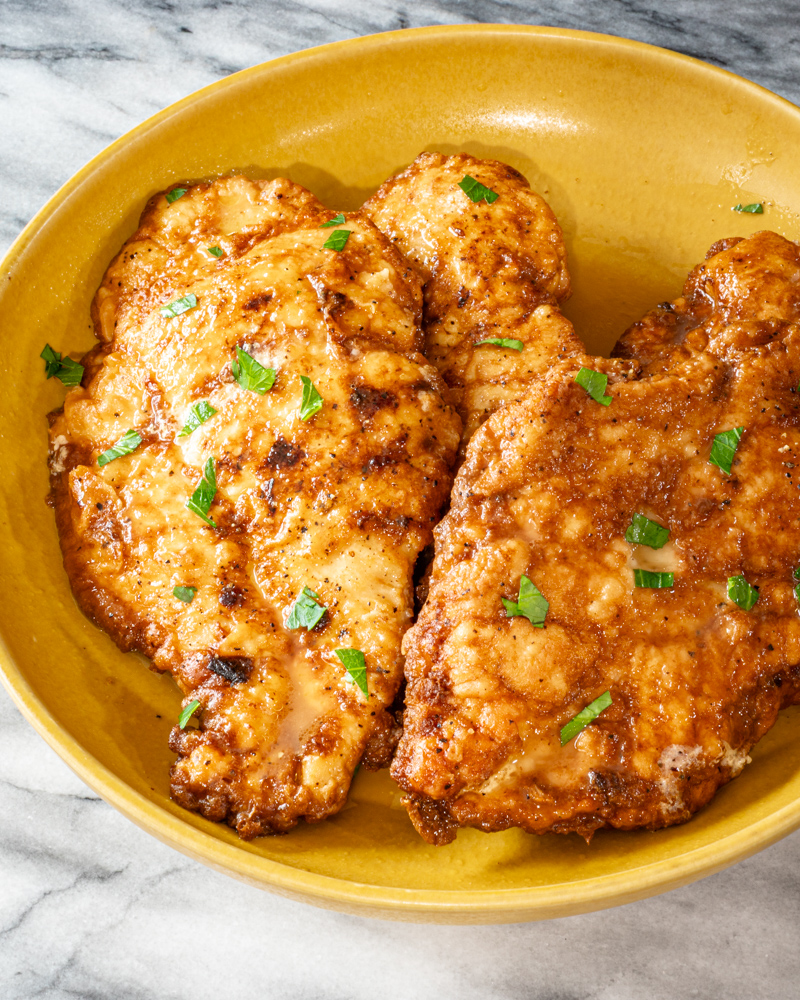
Make a savory and tangy Chicken Piccata dish with this simple recipe. Perfect for a weeknight meal or a special occasion.

This post may contain affiliate links. See our Privacy Policy.
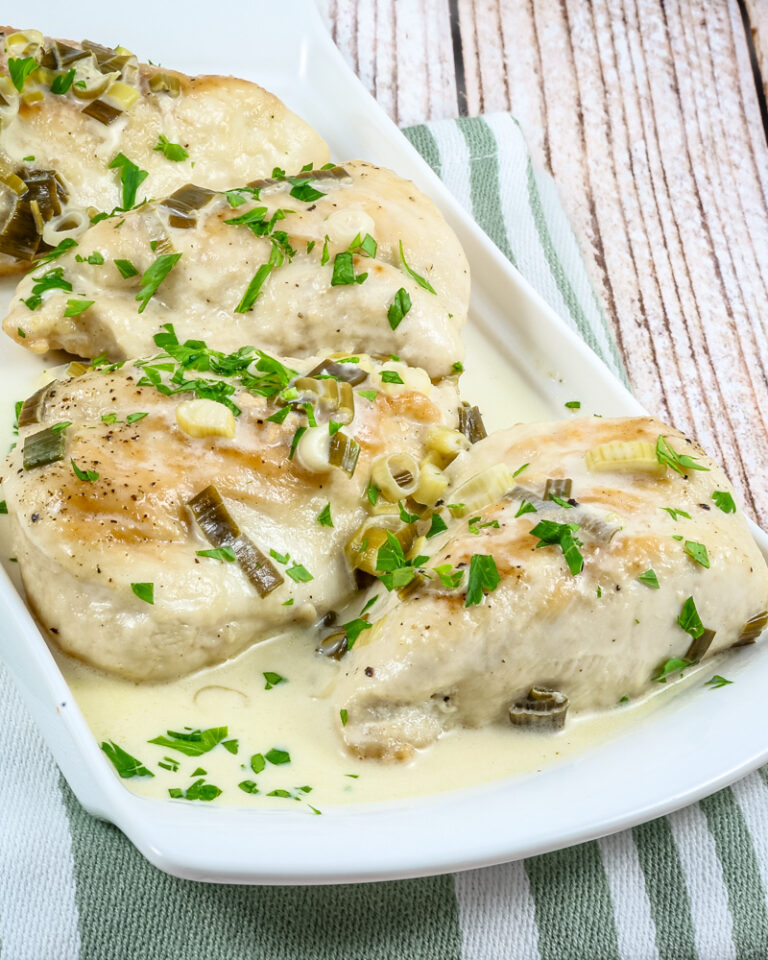
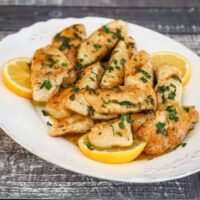
A bright lemony sauce and a buttery finish make chicken piccata a standout dish for any night of the week. Tender sautéed cutlets simmer in a sauce made with lemon juice, white wine, and briny capers—simple ingredients that come together in just minutes.
The cutlets cook quickly in two batches, while the pan sauce builds flavor with just a few minutes of reducing. The tangy chicken pairs nicely with roasted potatoes or pasta, or serve it with a simple Caesar salad.
What is Chicken Piccata?
A classic Italian-American dish, it features tender chicken breasts and a savory lemon butter sauce. Wine and capers add extra flavor and complexity to the dish.
What You’ll Like About This Recipe
- Bright, lemony flavor. Fresh lemon juice and capers give the sauce a punchy brightness that cuts through the richness of the butter and pan juices. Every bite tastes lively and fresh instead of heavy, even though the dish is fundamentally comfort food.
- Fast but elegant. Thin cutlets cook in just a few minutes per side, and the sauce comes together in the same pan, using the browned bits left behind. You get an “I ordered this at a bistro” feeling on a timeline that fits a busy night.
- Flexible serving options. This chicken is right at home over pasta, creamy mashed potatoes, polenta, or even a simple bed of sautéed greens. You can keep the meal light or indulgent just by what you put on the plate beside it.
Ingredient Notes
- Chicken – Thin pieces of chicken are key to quick, even cooking. If you’re using small chicken breasts, pounding them to an even thickness helps them cook at the same rate and stay tender without drying out. You want them thin enough to cook through on the stovetop without overbrowning the crust.
- Flour – A light coating of flour helps the chicken brown nicely and gives the sauce some gentle body when you deglaze the pan. Shake off the excess; you want a thin, even layer rather than a heavy breading.
- Olive oil – Using oil for the initial sear lets you cook over higher heat without burning the fat. It helps the chicken develop that golden, lightly crisp exterior that stands up to the sauce.
- Dry white wine – The wine dissolves the browned bits on the bottom of the pan and adds acidity and complexity to the sauce. A dry, crisp wine like Pinot Grigio, Sauvignon Blanc, or an uncomplicated Chardonnay works well. If you prefer not to cook with wine, extra chicken stock with a tiny splash of vinegar or lemon can stand in.
- Chicken stock – Stock extends the sauce and adds savory depth, so it tastes more like a pan gravy and less like straight lemon juice. A low-sodium stock is ideal so you can control the seasoning.
- Fresh lemon juice – Freshly squeezed juice is non-negotiable here. It delivers bright, clean citrus flavor that lifts the whole dish. Bottled juice can taste flat or harsh in comparison.
- Capers – These briny little buds bring a salty, tangy punch that’s classic in piccata. Draining them keeps the sauce from becoming too salty. You can rinse them briefly if you want a softer brine flavor.
- Butter – Softened butter stirred in at the end emulsifies with the reduced pan juices to thicken and gloss the sauce. This gives that velvety texture and rounds off the acidity so the sauce tastes balanced instead of sharp.
- Parsley – Fresh chopped parsley adds a final pop of color and a mild herbal note. It also brings a bit of freshness to each bite and makes the finished dish look more vibrant on the plate.
How to Make It
- Prepare the chicken by seasoning it lightly and, if needed, pounding small breasts so they’re evenly thin and cook at the same rate.
- Dredge the chicken pieces in flour, shaking off the excess so they have a light, even coating that will brown quickly in the skillet.
- Heat the oil in a large skillet until it’s hot and shimmering, then sear the chicken in batches, turning once, until the pieces are golden on both sides and just cooked through. Transfer them to an oven-safe dish to stay warm in a low oven while you make the sauce.
- Pour off any excess fat from the skillet, leaving just a thin film and all the browned bits behind. Return the pan to the heat.
- Deglaze the skillet with the wine, scraping up the browned bits with a wooden spoon, and let it reduce until only a small amount of concentrated liquid remains.
- Add the stock, lemon juice, and capers to the pan and bring the mixture to a steady simmer, allowing it to reduce until the flavors are concentrated and the sauce coats the back of a spoon.
- Remove the skillet from the heat and stir in the butter a little at a time, letting it melt and emulsify into the sauce until it becomes slightly thicker and glossy.
- Stir in the parsley, taste the sauce, and adjust seasoning if needed, then spoon it over the warm chicken cutlets just before serving.
Pro Tips
- Pound the chicken evenly so you don’t end up with pieces that are overcooked at the edges and underdone in the center. Even thickness equals even cooking.
- Avoid crowding the pan. Sear the chicken in batches so it browns instead of steaming; proper browning builds flavor for both the meat and the sauce.
- Let the wine reduce enough that it loses its harsh alcohol edge. You should smell a more mellow, savory aroma before adding the stock and lemon juice.
- Swirl the butter in off the heat so it melts gently into the sauce. If the pan is too hot, the butter can separate and the sauce may look oily instead of smooth.
Recipe Variations
- Chicken piccata with garlic and herbs. Add a small amount of finely minced garlic to the pan just after deglazing and stir in extra fresh herbs like basil or chives with the parsley. This builds more aromatic layers without losing the classic lemon-caper profile.
- Creamy piccata sauce. After reducing the stock and lemon juice, stir in a splash of cream before adding the butter. This gives the sauce a slightly richer, silkier texture and softens the acidity for those who like a milder lemon flavor.
- Artichoke piccata. Add drained, quartered artichoke hearts to the sauce with the capers. They soak up the lemony, buttery flavors and add a pleasant, tender texture that pairs beautifully with the chicken.
- Fish or pork piccata. Use thin fish fillets (like sole or flounder) or thin pork cutlets instead of chicken. Adjust the cooking time to suit the protein—fish will cook very quickly, while pork may need a bit longer.
Serving Suggestions
- Include a simple salad or Caesar to round out the meal.
- Serve over angel hair pasta, spaghetti, spaetzle, or egg noodles.
- Pair with mashed potatoes or garlic-roasted baby potatoes.
- Add a green vegetable—sautéed spinach, broccolini, or green beans work well.
How to Store
- Refrigerate: Let leftover chicken piccata cool to room temperature, then transfer the chicken and sauce to an airtight container. Refrigerate for up to 3 days. Because the sauce is lemon-based, it’s best enjoyed within that window while the flavors are still bright.
- Reheat: Reheat gently in a skillet over low heat, adding a splash of stock or water to loosen the sauce as it warms. Avoid high heat so the chicken stays tender and the butter-based sauce doesn’t separate. You can also reheat briefly in the microwave at reduced power, checking and stirring the sauce as needed.
- Freeze: Freezing is possible, but the texture of the sauce may change slightly when thawed. If you do freeze it, cool completely, place in an airtight container, and freeze for up to about 2 months. Thaw overnight in the refrigerator and reheat gently, adding a bit of fresh lemon and a small knob of butter to refresh the sauce if it seems dull or separated.
Frequently Asked Questions
Chicken Piccata
Ingredients
- 6 chicken cutlets, or 6 small boneless chicken breasts (2 pounds)
- Salt, to taste
- Freshly ground black pepper, to taste
- ½ cup flour
- 4 tablespoons olive oil
- ¼ cup dry white wine
- ½ cup chicken stock
- 6 tablespoons lemon juice, freshly squeezed
- 2 tablespoons capers, drained
- 4 tablespoons butter, cold, cut into small pieces
- 2 tablespoons parsley, chopped
Instructions
- Heat the oven to 200°F. This is to keep the chicken warm as you make the sauce.
- Sprinkle the chicken cutlets on all sides with salt and pepper. If using small chicken breasts pound them gently between sheets of plastic until 1/4-inch thick.
- Put the flour in a small bowl or plate and dredge the chicken, coating all sides. Shake off excess flour.
- Heat 2 tablespoons of olive oil in a large, heavy skillet. When the oil is hot and shimmering but not smoking, add 3 of the chicken cutlets and cook for 2 to 3 minutes on each side. Remove to an oven-safe platter or pan and place in the oven to keep warm. Repeat with the remaining olive oil and chicken cutlets.
- Pour off any excess oil but don't wipe the skillet. Add the wine to the skillet and place it back over medium heat. Cook, scraping up any browned bits, for 1 to 2 minutes or until it has reduced to a tablespoon or two. Add the chicken stock, lemon juice, and capers and bring to a simmer. Cook until the sauce is reduced and flavors are concentrated. Taste and adjust the seasonings.
- Remove the pan from the heat and add the butter a little at a time, stirring until it has melted and blended into the sauce a bit. Add the parsley and spoon the sauce over the chicken.
- Serve hot with pasta or mashed potatoes.
Nutrition
Disclaimer:
Our nutritional information is based on a third-party application that analyzes the ingredients list to determine the values. The information is meant to be helpful, but should be considered an estimate. Values may differ depending on measurements, brands, serving variations, and database availability.