Pâte Brisée (All Butter Pie Crust)
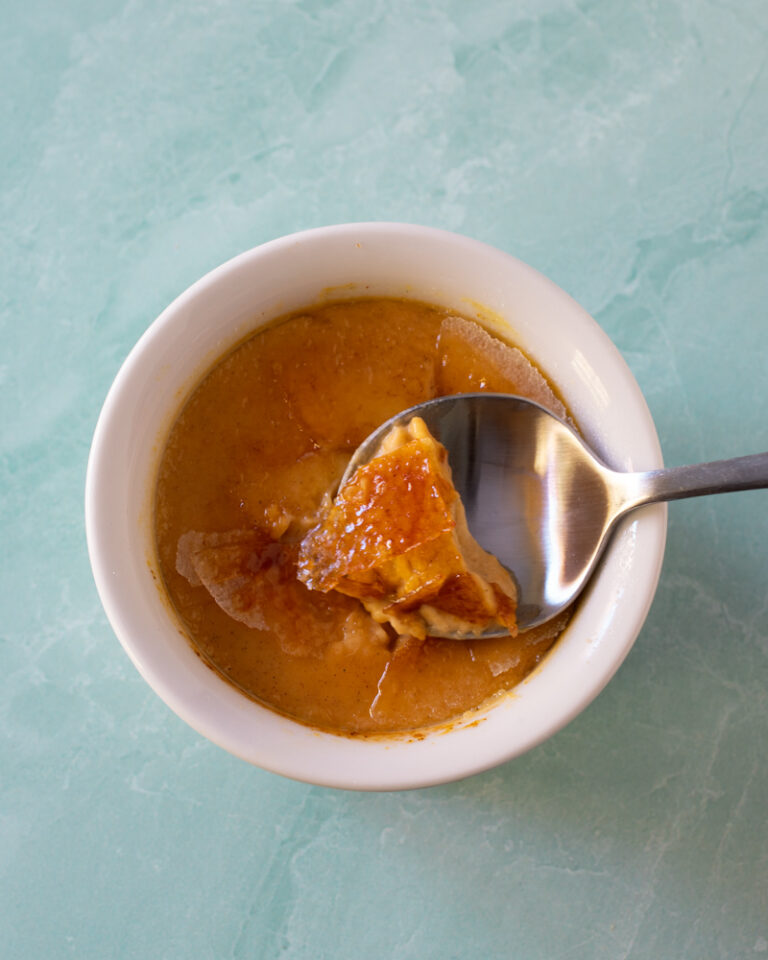
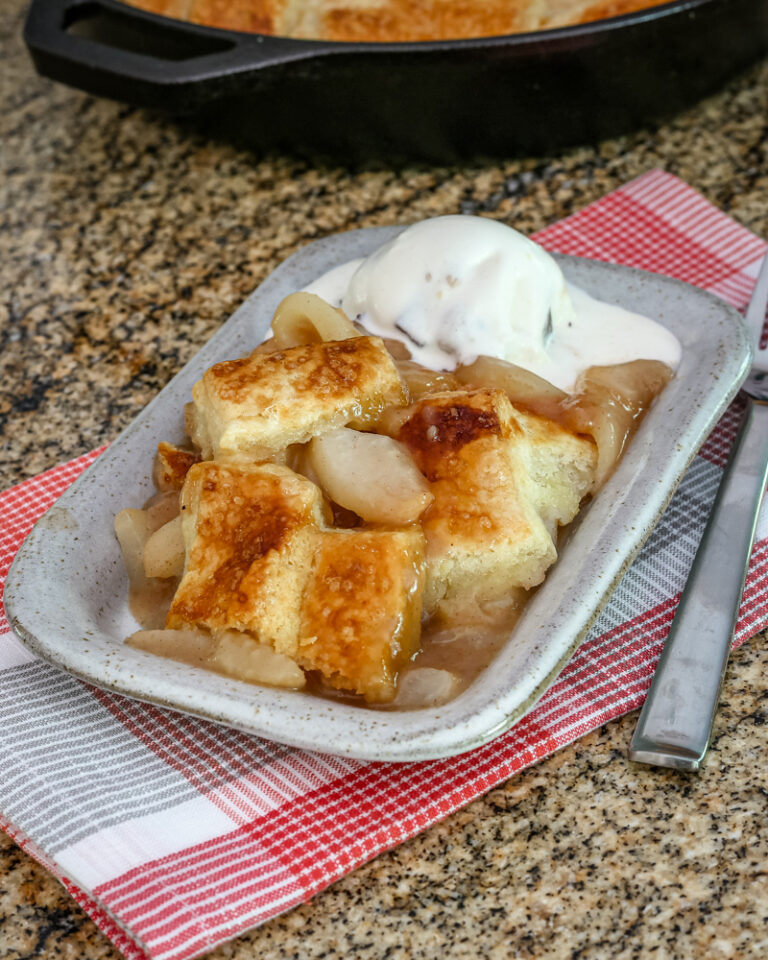
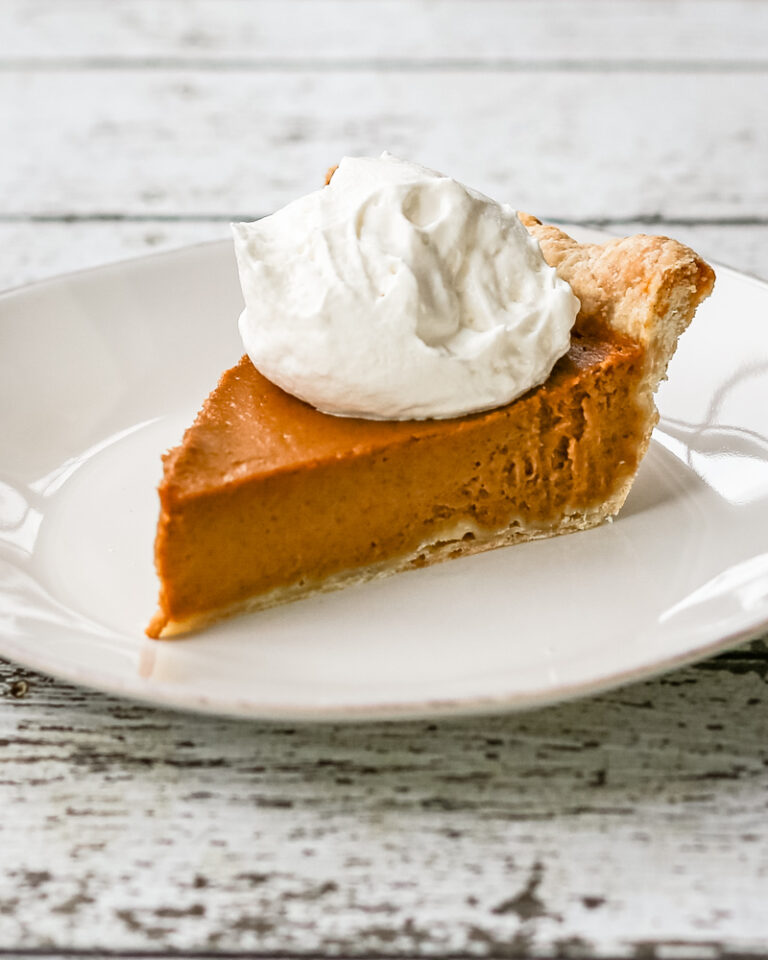
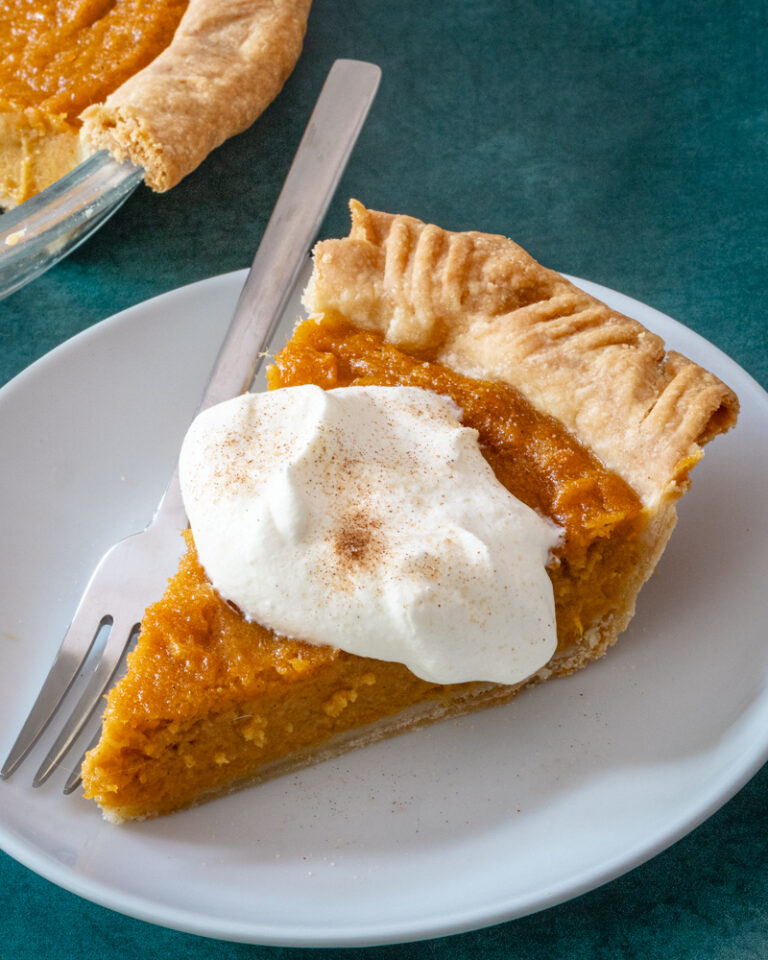
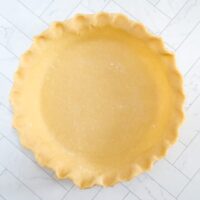
Pâte brisée is light, flaky, all butter pie crust with a tender texture that makes it perfect for all your sweet or savory fillings. Give it a try, and you’ll see why it’s a staple in French cuisine!

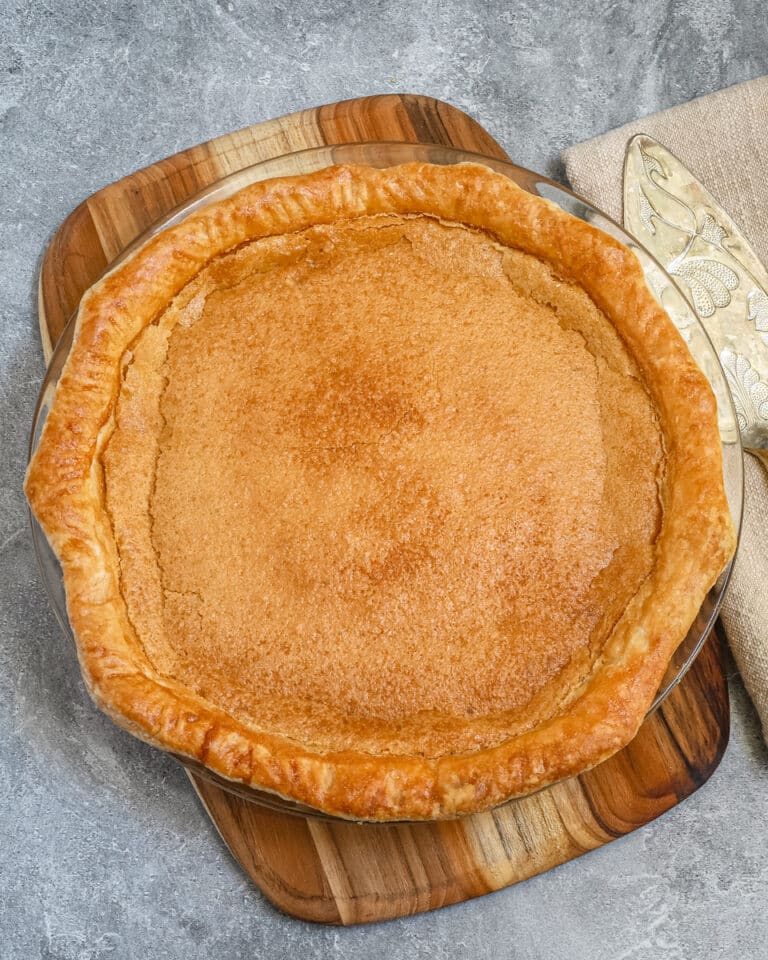
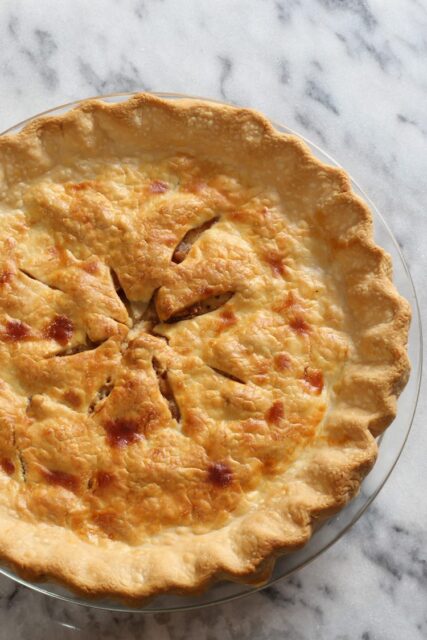
Pâte brisée is the classic French all-butter pie dough—a simple mixture of flour, salt, and cold butter brought together with just enough ice water to form a tender, flaky crust. Unlike sweeter or enriched doughs, pâte brisée is extremely versatile. Its clean, buttery flavor works beautifully with both sweet and savory pies, and it’s sturdy enough for rustic galettes while still delicate enough for elegant tarts. Visible flecks of cold butter throughout the dough ensure crisp, flaky layers that bake up golden and flavorful.
This dough comes together quickly in the food processor, making it an excellent choice for both beginners and experienced bakers. A brief rest in the refrigerator allows the gluten to relax and the butter to firm back up, ensuring the dough rolls out smoothly and bakes evenly. Whether you’re preparing a fruit pie, quiche, custard tart, or holiday dessert, pâte brisée is a reliable, go-to crust that never disappoints.
What You’ll Like About This Dish
Classic French technique. Produces a flaky, all-butter crust perfect for pies, quiches, and tarts.
Easy to work with. The food processor makes mixing quick and consistent, even for novice bakers.
Versatile flavor. Works equally well for sweet and savory dishes, with optional sugar for desserts.
Beautifully flaky texture. Visible pieces of butter in the dough create crisp, delicate layers in the oven.
Ingredient Notes
- All-purpose flour: Provides structure while remaining tender enough for a delicate crust.
- Fine sea salt: Enhances flavor; adjust the amount for sweet or savory uses.
- Sugar (optional): Adds a hint of sweetness and browning—ideal for dessert pies.
- Unsalted butter: Must be cold and cut small so it stays solid as the dough mixes, creating flaky layers.
- Ice water: Added gradually to bring the dough together without over-hydrating it.
Steps to Make Pâte Brisée
- Combine the flour, salt, and sugar in a food processor and pulse to blend.
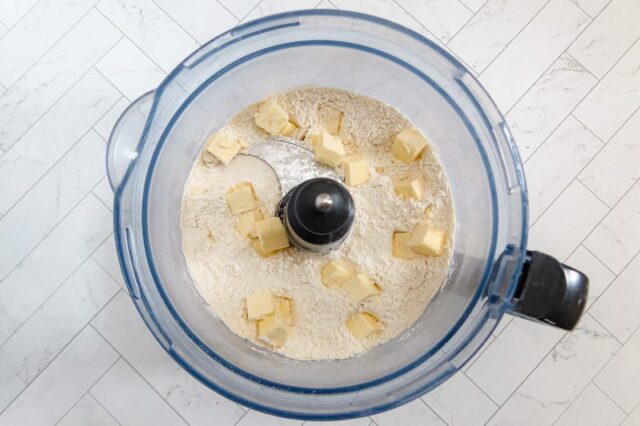
- Add half the cold butter and pulse several times.
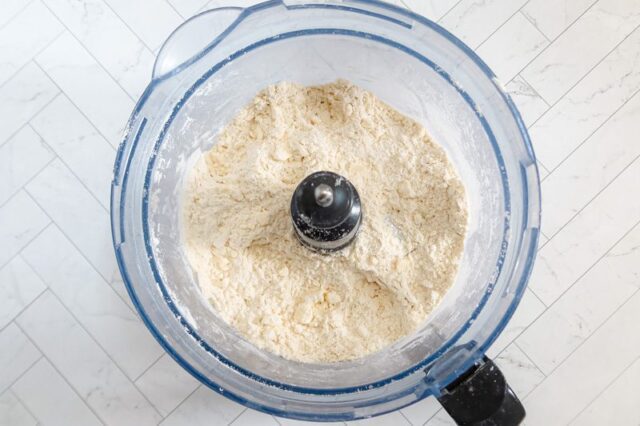
- Add the remaining butter and pulse again until the mixture resembles coarse meal with pea-sized pieces.
- Add 2 tablespoons of ice water and pulse; add more water as needed until the dough holds together when pinched.
- Turn the dough onto a lightly floured surface and gently press it into a cohesive disk.
- Wrap the disk and refrigerate for at least 1 hour.
- Let the dough sit briefly at room temperature before rolling.
- Roll to a 12-inch circle between lightly floured surfaces or parchment.
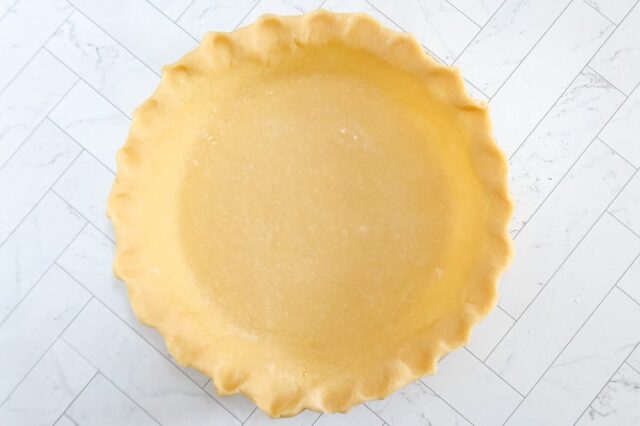
- Transfer to a pie plate, press into shape without stretching, and trim and crimp edges as desired.
- Chill until ready to blind-bake or fill, following your specific pie recipe for baking instructions.
Tips for Pâte Brisée
- Keep all ingredients cold to prevent the butter from melting into the flour, which ensures a flaky crust.
- Pulse the mixture rather than running the processor continuously to avoid overworking the dough.
- Add water gradually; over-hydrating makes the dough tough and sticky.
- Chill the dough for at least an hour to relax gluten and firm the butter.
- Dust lightly with flour when rolling and rotate the dough often to prevent sticking.
- Do not stretch the dough when fitting it into the pie plate—stretching causes shrinkage during baking.
- Chill the shaped crust before baking to help it retain its shape.
Recipe Variations
- Sweet pâte brisée. Increase the sugar to 1–2 tablespoons for dessert tarts and fruit pies.
- Herb crust. Add chopped fresh herbs (thyme, rosemary, parsley) for savory pies and quiches.
- Nut-enhanced crust. Replace a small amount of flour with finely ground almonds, pecans, or hazelnuts for added richness.
- Spiced crust. Add cinnamon or cardamom for apple, pear, or pumpkin pies.
- Vodka crust method. Replace part of the ice water with chilled vodka for a dough that’s easier to roll and less prone to over-developing gluten.
- Galette-ready dough. Add an extra tablespoon of butter and leave the dough slightly more rustic for free-form galettes.
What to Serve With Pâte Brisée
- Serve as the base for fruit pies, custards, quiches, savory tarts, or hand pies.
- Pair with fillings like apples, berries, citrus curds, pumpkin, mushrooms, caramelized onions, or roasted vegetables.
- Add decorative lattice or cut-out shapes for a more elegant presentation.
- Choose this dough for any recipe where buttery, flaky structure is essential.
How to Store Pâte Brisée
Refrigerate: Wrap the dough tightly and store it in the fridge for up to 3 days.
Freeze: Freeze the wrapped disk for up to 2 months. Thaw in the refrigerator before rolling.
Make ahead: Prepare the dough in advance and chill until ready to use; it becomes easier to handle after resting.
Pâte Brisée (All Butter Pie Dough)
Ingredients
- 1 1/4 cups all-purpose flour, 163 grams, plus extra for rolling
- 1/2 teaspoon salt
- 1 teaspoon sugar, optional
- 1/2 cup unsalted butter, 113 grams, chilled and cut into 1/2-inch cubes
- 3 to 5 tablespoons ice water
Instructions
- Combine the flour, salt, and sugar in the bowl of a food processor. Pulse to combine.

- Add half of the chilled diced butter and pulse 8 times.
- Add the remaining butter and pulse 8 to 10 more times. The mixture should look like a coarse meal with pea-size pieces.
- Add 2 tablespoons of the ice water and pulse several times. Add another tablespoon and pulse 4 to 5 times.
- Slowly add 1 to 2 more tablespoons of ice water, about 1 teaspoon at a time, until you can pinch a portion of the mixture it and it holds together.
- Turn the dough out onto a lightly floured surface and use your hands to press and flatten it until it holds together. Shape the dough into a disk and wrap it in plastic wrap. Refrigerate the disk for at least 1 hour.
- Take the disk out of the fridge and let it stand for 10 minutes.
- Unwrap the disk and place it on a lightly floured surface. Dust the dough with flour and place a sheet of wax paper or parchment paper on it. Roll it out to a 12-inch circle—it should be about 1 inch larger than your upside-down pie plate. The visible bits of butter ensure a flaky crust.
- Carefully fold the rolled crust in half and place it in a 9-inch pie plate with the fold in the center of the plate. Unfold the dough in the pie plate and press it—avoid stretching—to line the dish.
- Trim the overhanging dough to about 1/2 to 3/4 inch.
- Crimp the edge as desired by using your fingers to make a fluted edge, or press it all around with the tines of a fork.
- Refrigerate the crust until you are ready to blind-bake it or bake it with a filling. At this point follow your pie instructions for oven temperature and timing.

Nutrition
Disclaimer:
Our nutritional information is based on a third-party application that analyzes the ingredients list to determine the values. The information is meant to be helpful, but should be considered an estimate. Values may differ depending on measurements, brands, serving variations, and database availability.