Angel Biscuits
Try angel biscuits for a perfect blend of fluffy dinner rolls and buttery Southern biscuits. Easy to make and delicious!

This post may contain affiliate links. See our Privacy Policy.
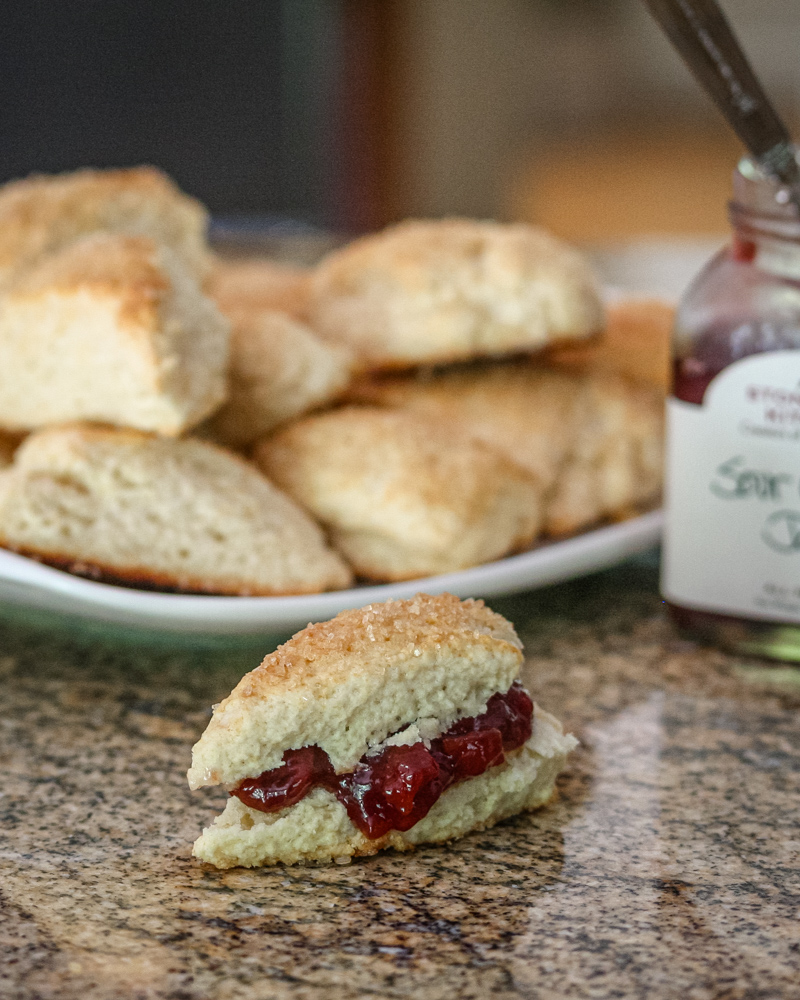
Angel biscuits are the best of both biscuit and roll worlds—soft and fluffy like yeast rolls, but rich and tender like a classic Southern biscuit. Thanks to a trifecta of leaveners (yeast, baking powder, and baking soda), these biscuits puff up beautifully and bake to a golden, pillowy finish.
I like to mix the dough in a food processor for speed, then bake it in a cast-iron skillet for a crisp bottom and soft interior. But they’re just as good baked on a parchment-lined baking sheet. Either way, they’re easy, versatile, and guaranteed to be devoured.
What You’ll Like About This Recipe
- Tender, lofty texture. Angel biscuits combine three leavening methods—yeast, baking powder, and baking soda—to achieve a remarkably airy crumb. This gives them the lift of yeast rolls without the lengthy kneading or extended proofing time, making them reliably light and fluffy every time.
- Easy, food-processor method. Using a food processor keeps the butter cold and cuts it into the flour quickly. This method is ideal for biscuits because it prevents overworking the dough while still ensuring the butter distributes evenly, creating soft layers during baking.
- Excellent make-ahead potential. The dough can be mixed and refrigerated overnight before cutting and rising. This flexibility is especially helpful for holidays or busy mornings when you want freshly baked biscuits but don’t have time to start from scratch.
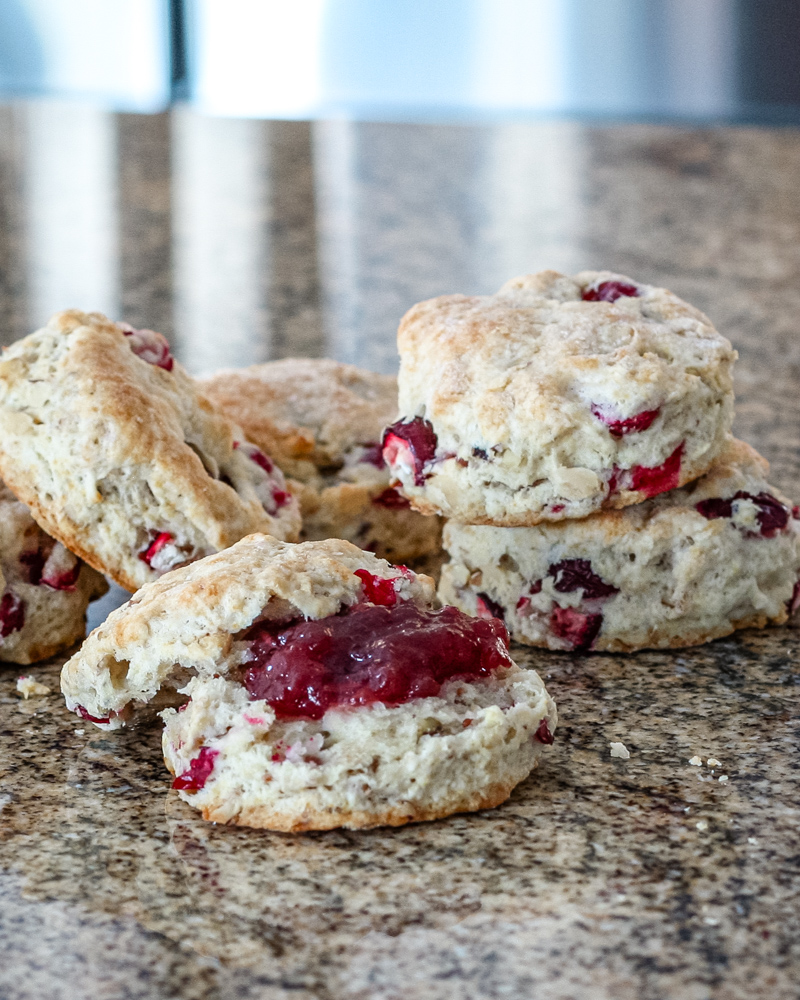
- Perfect for sweet or savory pairings. Angel biscuits are mild and buttery, making them equally suited for honey, jam, and fruit as they are for salty ham, hearty stews, or fried chicken. They adapt to whatever you serve alongside them.
- Beginner-friendly results. Because of the multiple leaveners, the recipe is more forgiving than traditional biscuits. Even if your butter isn’t perfectly cold or your rolling is a little uneven, the biscuits still rise beautifully and bake up tender.
Ingredient Notes
- Active dry yeast — Provides additional lift and creates a lighter, fluffier interior. Blooming it in warm water ensures it activates properly.
- Warm water — Helps dissolve and activate the yeast. Aim for warm but not hot to prevent killing the yeast.
- All-purpose flour — Forms the base structure of the biscuit. King Arthur or Gold Medal both work well, with consistent protein levels for predictable rise.
- Granulated sugar — Adds a touch of sweetness and helps feed the yeast, contributing to browning and tenderness.
- Baking powder and baking soda — Work with the buttermilk to create rapid lift. The combination ensures the biscuits rise high even if the yeast is slow.
- Salt — Enhances flavor. Fine sea salt blends more evenly into dry ingredients, but table salt may be substituted at a slightly reduced amount.
- Cold unsalted butter — Essential for flakiness. Keep it very cold so it forms pockets of steam during baking. Use high-quality butter for the best flavor.
- Cold buttermilk — Adds acidity, tenderness, and moisture. Lower-fat buttermilk works, but full-fat gives a richer biscuit.
- Heavy cream or melted butter — Used to brush the tops, aiding browning and giving the biscuits a glossy, golden finish.
How to Make It
- Start by blending the dry ingredients in the food processor so the leaveners are evenly distributed. This step ensures the biscuits rise uniformly and prevents uneven pockets of baking powder or salt.
- Add the cold butter and pulse just enough to create coarse crumbs. Keeping visible bits of butter helps form those classic flaky layers when the biscuits bake.
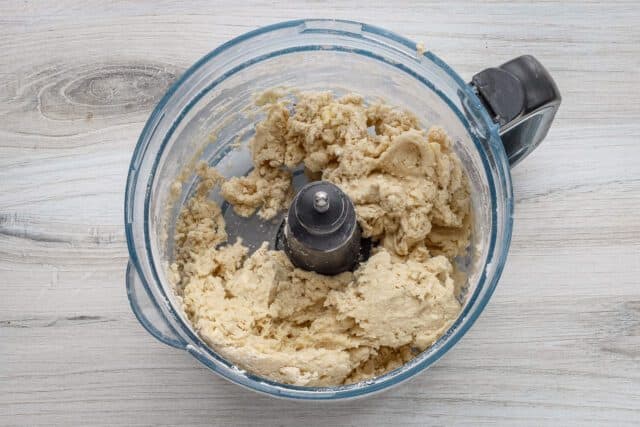
- Mix in the buttermilk and yeast mixture only until the dough comes together. Overmixing can lead to toughness, so stop as soon as clumps form.
- Turn the dough onto a lightly floured surface and gently bring it together. A light hand helps maintain a tender texture. Rolling the dough thick ensures tall, substantial biscuits.
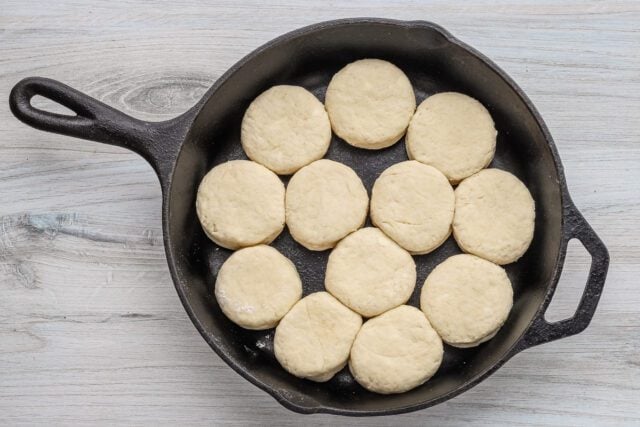
- Cut the biscuits straight down without twisting to preserve clean edges and avoid sealing the layers. Nestling them closely in the skillet helps them rise upward rather than outward.
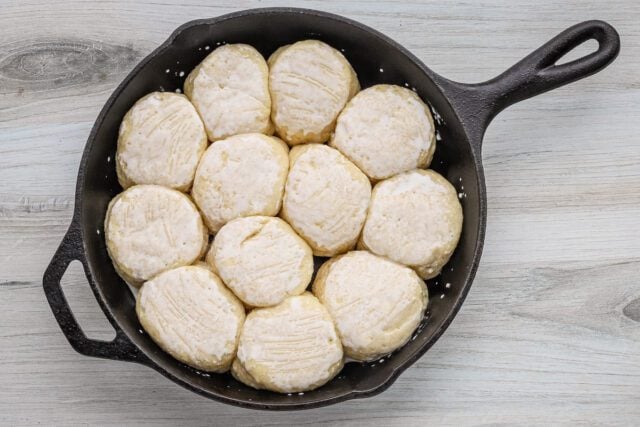
- Allow the biscuits to rise so the yeast has time to do its work. This step creates a softer, pillowy interior and makes the biscuits extra airy.
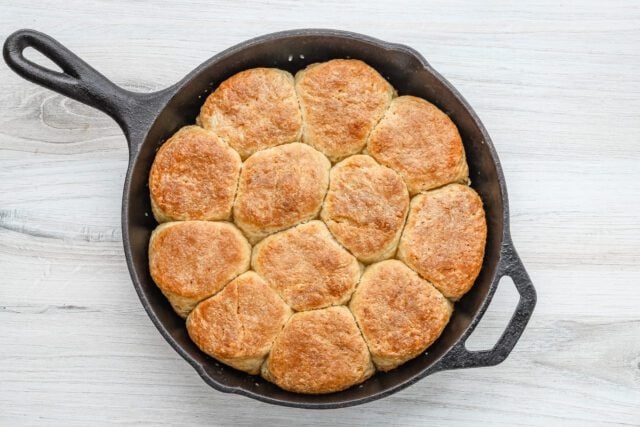
- Brush with cream or butter before baking to develop a deeply golden, flavorful exterior. Let them cool slightly so the crumb can set before serving.
Pro Tips
- Chill the dough if it warms up during mixing to maintain flaky layers and prevent spreading.
- Proof the yeast properly so the biscuits achieve their signature lift and softness.
- Cut the biscuits without twisting the cutter to keep the sides from sealing.
- Nestle the biscuits close together so they rise taller rather than spreading outward.
- Brush the tops generously for a glossy, browned finish that enhances both flavor and appearance.
Recipe Variations
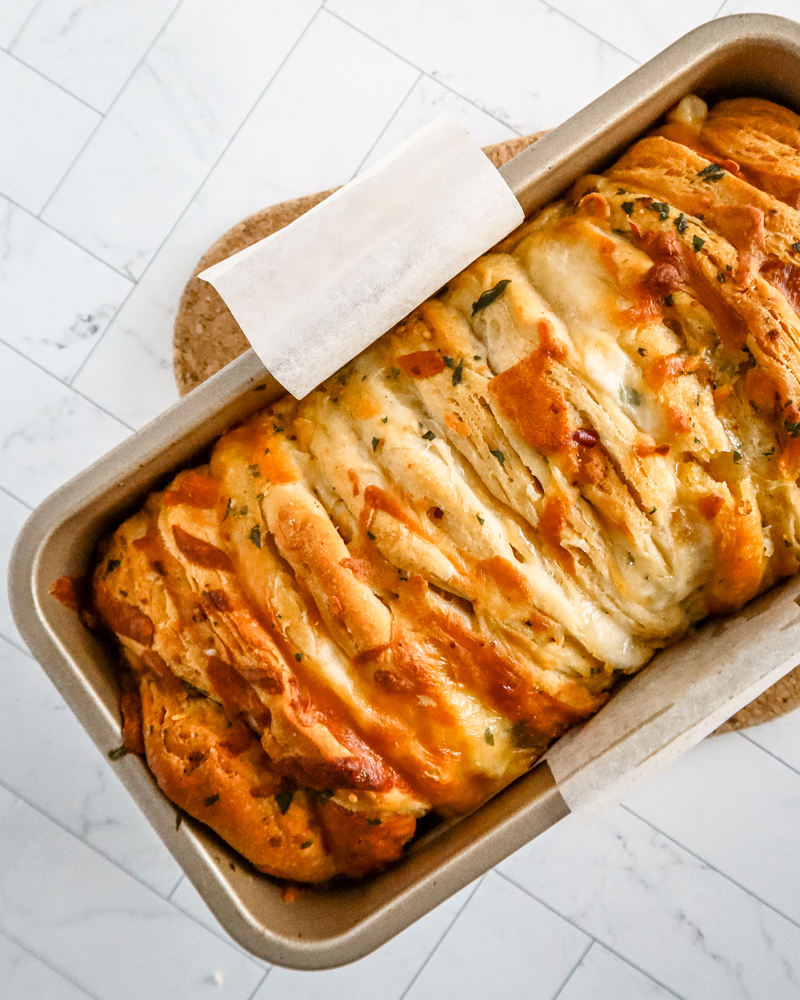
- Make them cheesy. Add shredded cheddar, Gruyère, or pepper Jack to the dry ingredients before mixing. The cheese melts into the layers, creating savory, golden biscuits perfect for breakfast sandwiches.
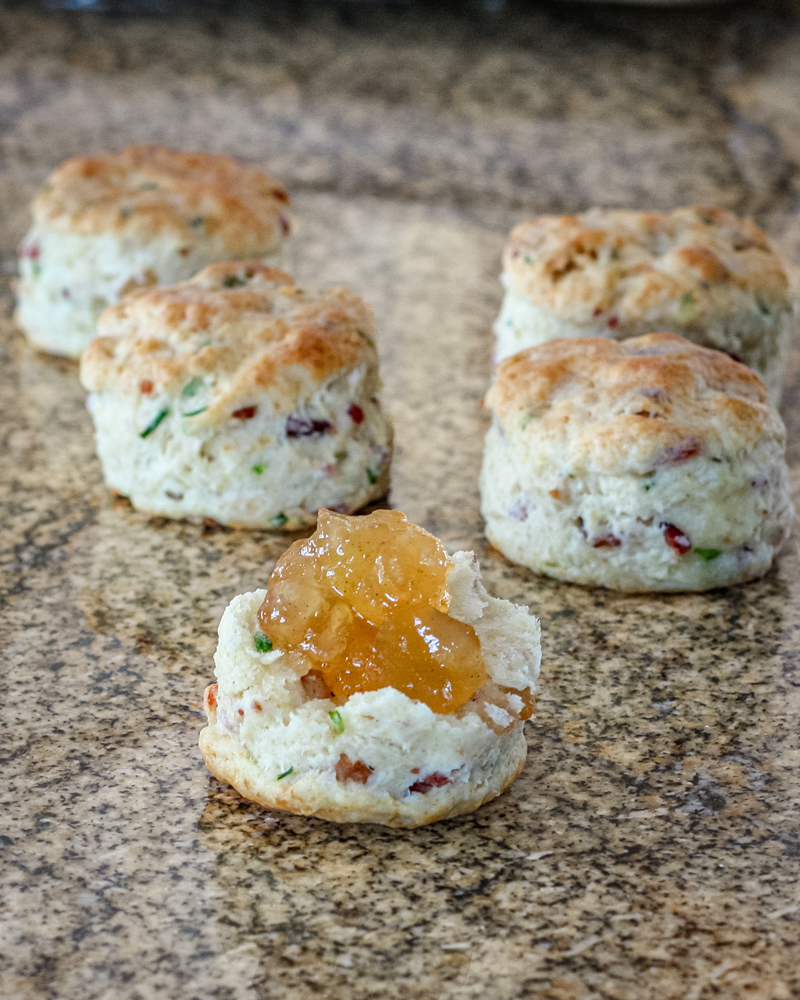
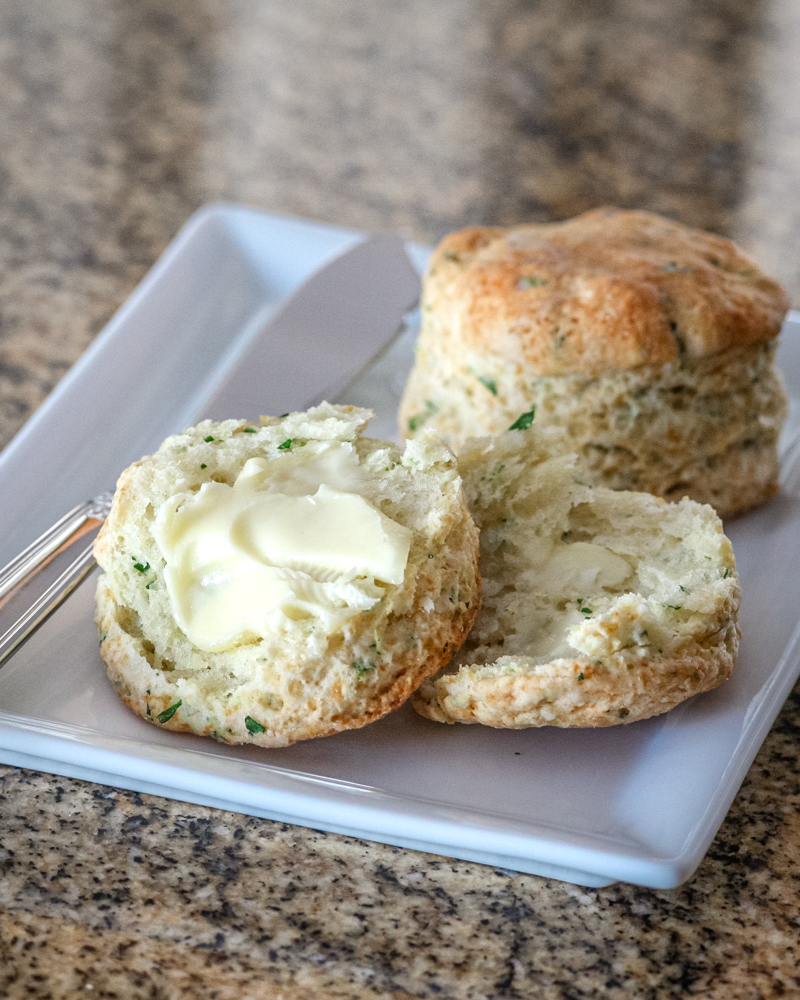
- Add herbs for flavor. Mix in finely chopped chives, parsley, or rosemary for an aromatic variation. Herbs pair beautifully with ham, chicken, and holiday dishes.
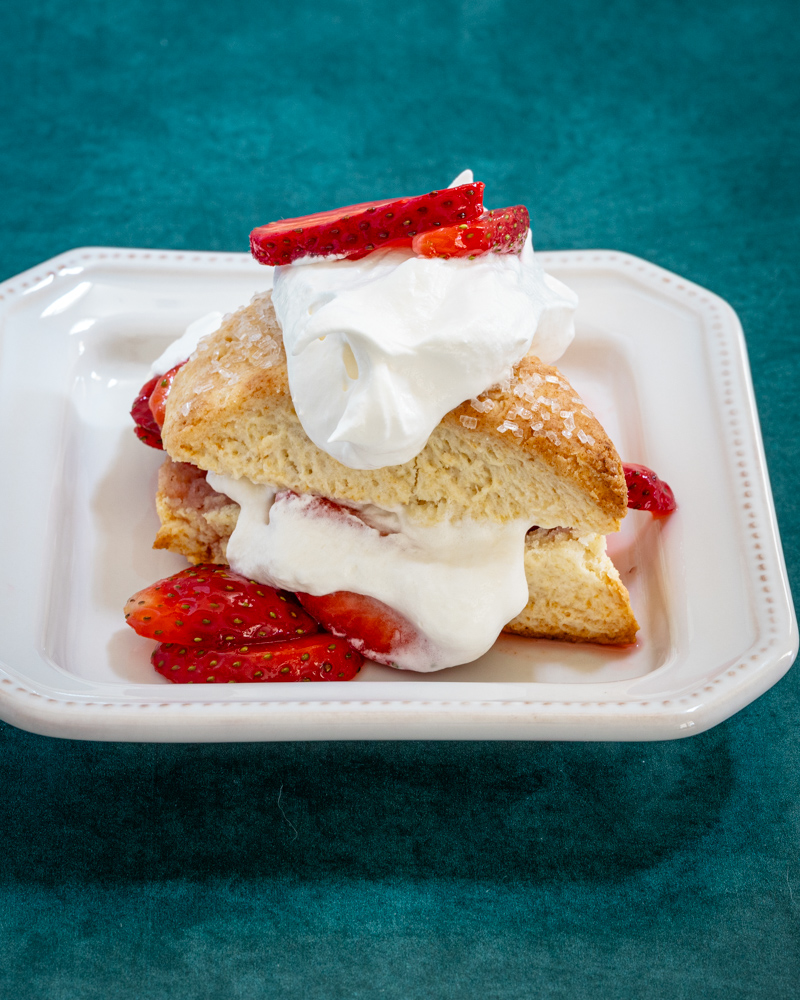
- Create a sweeter biscuit. Increase the sugar slightly and brush the tops with melted butter and a sprinkle of coarse sugar. These make wonderful accompaniments to fruit or jam.
- Swap the fat. Substitute some of the butter with cold shortening for a biscuit that rises even higher, with a slightly lighter crumb.
- Make mini biscuits. Use a smaller cutter for bite-sized versions ideal for party trays or sliders. Reduce the baking time slightly to prevent overbrowning.
Serving Suggestions
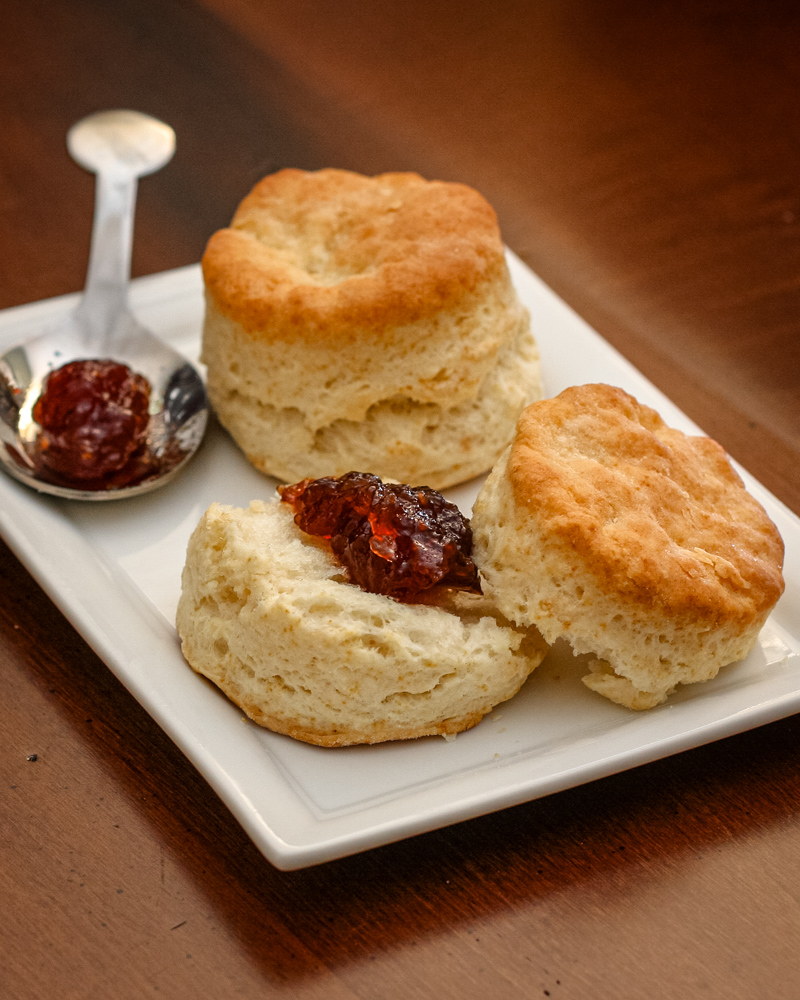
- Serve warm with butter, honey, apple butter, or your favorite jam for breakfast or brunch.
- Breakfast Sandwiches: Slice biscuits in half and stuff them with eggs, cheese, and sausage or bacon. Wrap in foil and reheat in the oven or toaster oven.
- Add slices of ham, turkey, or fried chicken for hearty sandwiches.
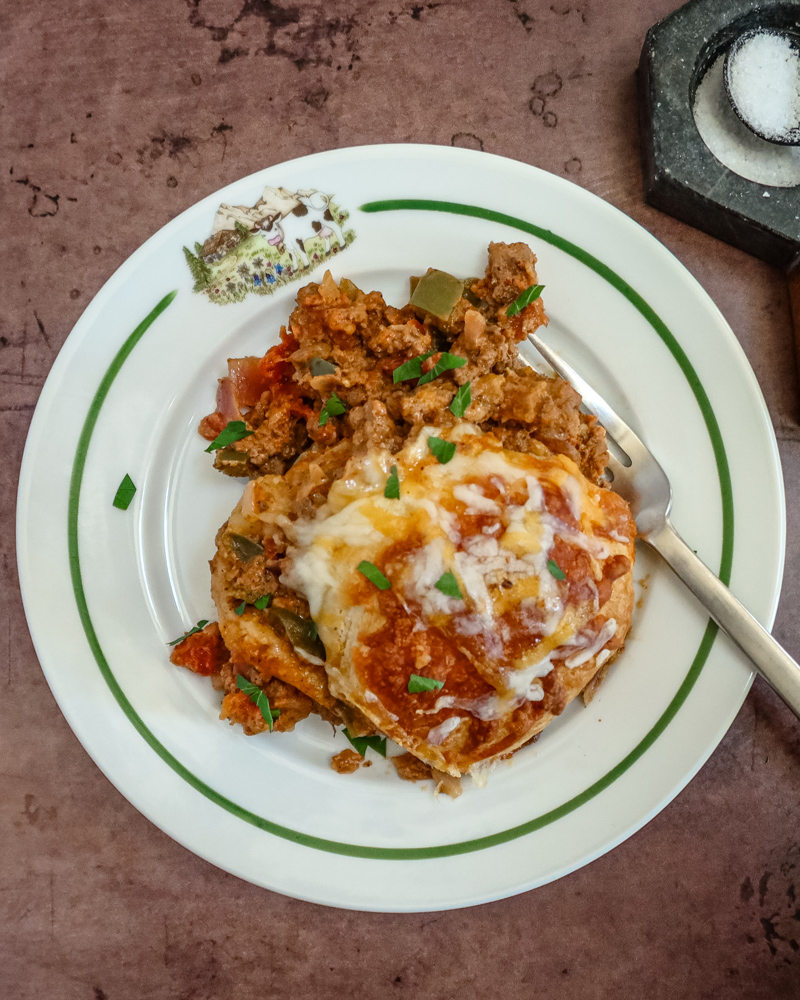
- Pair with soups, stews, or chili to soak up the broth and add a comforting, homemade touch.
- Biscuit Cobbler Topping: Crumble biscuits over fruit (like peaches or berries), add a sprinkle of sugar, and bake until bubbling and golden.
- Mini Biscuit Sliders: Use small biscuits for pulled pork, fried chicken, or ham sliders.
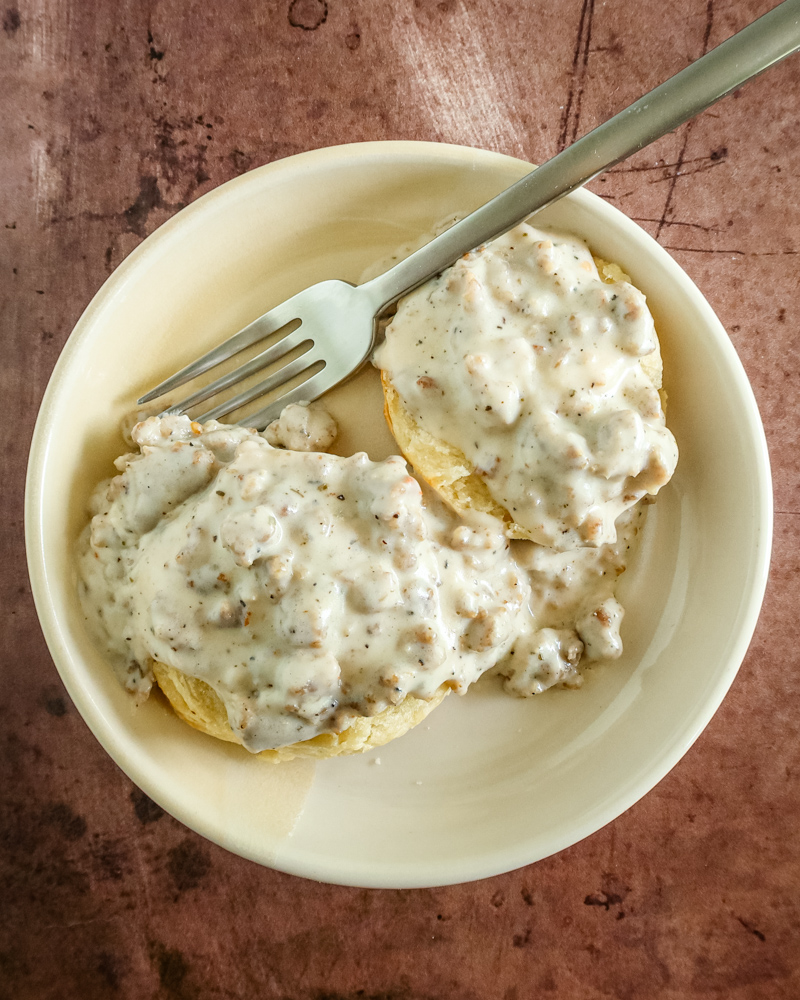
- Biscuit & Gravy Bake: Chop biscuits into pieces and layer in a baking dish with sausage gravy. Bake until bubbly and hot.
How to Store
- Refrigerate: Store leftover biscuits in an airtight container for up to 4 days. Keeping them sealed prevents them from drying out and preserves their tender texture.
- Freeze: Freeze baked biscuits for up to 2 months. Wrap each biscuit individually before placing them in a freezer-safe bag to protect them from freezer burn.
- Reheat: Warm biscuits in the oven until heated through and lightly crisp on the edges. The microwave works for a quick reheat, though it softens the exterior.
Angel Biscuits
Ingredients
- 1 package active dry yeast, 2 1/4 teaspoons
- 2 tablespoons warm water, around 105 to 110 F
- 2 ¾ cups all-purpose flour, (348 grams), plus extra for dusting
- 2 tablespoons granulated sugar
- 1 ½ teaspoons baking powder
- ½ teaspoon baking soda
- 1 teaspoon salt, I use fine sea salt
- 5 ounces unsalted butter, cold, cut into cubes
- 1 cup buttermilk, cold
- 1 tablespoon heavy cream, or melted butter
Instructions
- Dissolve the yeast: In a small bowl, dissolve the yeast in the warm water and let stand for 5 minutes, until foamy.
- Combine the dry ingredients: In the bowl of the food processor, add the flour, sugar, baking powder, baking soda, and salt. Pulse a few times to mix.If you don’t have a food processor, whisk the dry ingredients in a bowl, cut in the butter with a pastry blender or fork, then stir in the liquids just until combined.
- Add the butter: Scatter the cold cubed butter over the flour mixture. Pulse in short bursts—about 8 to 10 times—until the mixture resembles coarse crumbs. Be careful not to over-process; visible small bits of butter are what you want.
- Add liquids: Pour in the cold buttermilk and the dissolved yeast mixture. Pulse just until the dough starts to come together and form clumps.

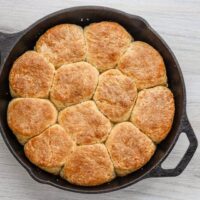
- Roll the dough and cut the biscuits: Turn out onto a floured surface and knead gently a few times until it comes together. Roll the dough to 1 inch thick and cut using a 2 to 2 1/2-inch round cutter. Place the biscuits close together in a 10-inch skillet or on a parchment-lined baking sheet.
- Let rise: Cover with a towel and let them rise in a warm place for 1 hour. Preheat oven to 400°F. Brush the tops with cream or melted butter.
- Bake: Transfer to the oven and bake for 10 to 12 minutes or until golden brown.
Equipment
Nutrition
Disclaimer:
Our nutritional information is based on a third-party application that analyzes the ingredients list to determine the values. The information is meant to be helpful, but should be considered an estimate. Values may differ depending on measurements, brands, serving variations, and database availability.