

This post may contain affiliate links. See our Privacy Policy.
I love the complexity of a Bolognese sauce. There’s a lot going on in this classic sauce, but preparation isn’t complicated at all. Just cook the pancetta, vegetables, and ground meat, then add the milk, wine, tomatoes, and liquids and let the sauce simmer. Seasonings are simple: salt, pepper, a little nutmeg, and a bay leaf. The sauce freezes beautifully, too, so make a bigger batch!
For pasta, Bolognese is traditionally served with pappardelle or tagliatelle, but spaghetti, linguine, and fettuccine work just fine. Rigatoni and penne are also excellent with a Bolognese sauce.
What You’ll Like About This Recipe
- Deep flavor. Bolognese gains its complexity from time, not fuss. As the sauce simmers, the aromatics and milk melt into the meat, the wine reduces, and the tomatoes mellow, creating a rich, balanced ragu.
- Traditional technique, simplified. This recipe uses authentic steps—rendered pancetta, finely chopped aromatics, and the gentle incorporation of milk, wine, and tomatoes—but avoids unnecessary complication. It’s classic Italian cooking made intuitive.
- A balanced blend of meats. Mixing ground beef with pork or Italian sausage creates a richer, more rounded flavor than either meat alone. The combination gives the sauce both depth and tenderness.
- Perfect for make-ahead meals. Bolognese tastes even better the next day as the flavors continue to meld. It’s a recipe that rewards patience and offers excellent leftovers for weeknights or meal prep.
Ingredient Notes
- Pancetta – Pancetta is traditional, providing the salty, savory foundation of flavor.
- Onion, carrot, and celery (soffritto) – Finely dicing these vegetables helps them soften and disappear into the sauce, releasing sweetness and building complexity.
- Ground beef and pork – The combination creates a richer sauce with a tender texture. Italian sausage adds extra seasoning if you prefer a slightly spicier or more robust profile.
- Milk – Milk is a traditional component added to the meat.
- White wine – Helps deglaze the pot and adds acidity and depth. If you don’t have a dry white wine, red works well, too.
- Tomato paste – Concentrated tomato flavor that caramelizes with the meat, giving the sauce a deeper, richer taste.
- Whole tomatoes – Crushing the drained whole tomatoes by hand adds a rustic texture.
Steps to Make Classic Bolognese Sauce
- Prepare the aromatics—soffritto—by finely chopping onion, carrot, and celery, ensuring even, small pieces so they soften properly into the sauce. This foundational step builds flavor from the very start.
- Render the pancetta in a heavy pot until most of the fat has melted. This adds a rich, savory base that flavors the vegetables and meat as they cook.
- Add the chopped vegetables and cook gently until they soften and become fragrant. Slow cooking helps concentrate their natural sweetness and reduces harshness.
- Incorporate the ground beef and pork, breaking the meat into small, even pieces. Cook until fully browned and no longer pink, allowing some moisture to evaporate for a deeper, more robust flavor.
- Add the milk and simmer gently until it has disappeared into the meat.
- Pour in the wine and scrape up the browned bits from the bottom of the pot. Let the wine reduce until nearly evaporated.
- Stir in the tomato paste, drained, hand-crushed tomatoes, beef stock, and bay leaf. Bring the mixture to a gentle simmer. Cook over low heat for 2 to 3 hours. This allows the flavors to develop slowly.
- Taste and adjust seasoning with nutmeg, salt, and pepper. The flavors should be rich, savory, and well-balanced.
Pro Tips
- Don’t rush the wine reduction—letting it evaporate until nearly dry intensifies the flavor.
- Simmer gently, not at a boil. Low heat is essential for achieving a smooth, cohesive ragù.
- Use whole drained tomatoes rather than crushed or diced for better texture control.
Recipe Variations
- Sausage-forward Bolognese. Use spicy or sweet Italian sausage in place of the pork for added seasoning and a slightly heartier flavor.
- Mushroom Bolognese. Add finely chopped mushrooms to the soffritto for deeper umami and a more robust, earthy flavor.
- Bolognese bianco. Omit the tomatoes entirely and use broth, wine, and cream for a white ragù that is silky and richly savory.
Serving Suggestions
- Bread: Focaccia is wonderful with a pasta meal, or serve the dish with garlic bread, a baguette, or crusty Italian loaf.
- Salad: Add a tossed salad to your menu and serve it with this tangy homemade Italian dressing. Or make a creamy Caesar salad.
- Vegetables: Steamed green beans, asparagus, or broccoli can add bright color and flavor to the meal.
- Caprese Salad: Drizzle sliced fresh tomatoes, mozzarella cheese, and fresh basil leaves with olive oil or balsamic glaze for a burst of fresh flavor.
How to Store
- Refrigerate: Store leftovers in an airtight container for up to 4 days. The flavors deepen and improve over time.
- Reheat: Warm gently on the stovetop, adding a splash of water, stock, or milk if needed to loosen the sauce.
- Freeze: Freeze in containers or freezer bags for up to 3 months. Thaw in the refrigerator overnight before reheating.
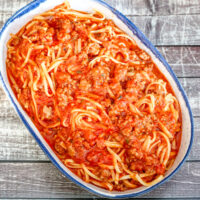
Classic Bolognese Sauce
Ingredients
- 1 medium onion
- 1 medium carrot
- 2 ribs celery
- 4 strips pancetta, diced
- 1 pound lean ground beef
- ½ pound ground pork
- Kosher salt, to taste
- ½ cup whole milk
- ½ cup dry white wine
- 3 tbsp tomato paste
- 1 (28-oz) can whole tomatoes, drained and crushed with your hands
- 1 cup low sodium beef stock, or more as needed
- 1 large bay leaf
- Freshly ground black pepper, to taste
- Hot cooked tagliatelle or pappardelle, for serving
- Grated Parmigiano Reggiano cheese, for serving
- 1 pinch grated nutmeg
Recommended Equipment
- Large sauté pan
Instructions
- Chop the onion, carrot, and celery into 1/4-inch dice.1 medium onion | 1 medium carrot | 2 ribs celery
- Arrange the pancetta in a large, heavy sauté pan and cook over medium heat for 5 to 7 minutes or until most of the fat is rendered. Add the diced vegetables and cook over low heat until the vegetables are softened and the onion is translucent.4 strips pancetta, diced
- Add the ground beef and pork to the pan with the vegetables and pancetta. Break the meat into very small pieces with a wooden spoon. Cook over medium heat, stirring frequently, for 8 to 10 minutes until the meat is deeply browned and any water it has released has evaporated. You want it to sizzle and take on color, not steam. Season lightly with kosher salt here to help draw out moisture.1 pound lean ground beef | 1/2 pound ground pork | Kosher salt
- Pour in the milk and bring to a gentle simmer. Reduce the heat to low and cook, stirring occasionally, for 10 to 12 minutes, or until the milk is completely absorbed by the meat and the pot looks dry again. This step tenderizes the meat and keeps it from turning grainy once the tomatoes are added.1/2 cup whole milk
- Add the wine and raise the heat to medium. Scrape up any browned bits from the bottom of the pan. Simmer for 5 to 7 minutes until the wine has almost completely evaporated. The alcohol should be gone and the pot should look fairly dry again before you add the remaining sauce ingredients.1/2 cup dry white wine
- Add the tomato paste, drained hand-crushed tomatoes, beef stock, and bay leaf.3 tbsp tomato paste | 1 (28-oz) can whole tomatoes, drained and crushed with your hands | 1 cup low sodium beef stock, or more as needed | 1 large bay leaf
- Reduce the heat to low and simmer uncovered for 2 to 3 hours. If the sauce is thin, continue cooking, uncovered, for 30 minutes more or until thickened. Add extra warm stock 1/4 cup at a time only if it looks dry.
- Taste and season with a pinch of nutmeg, kosher salt, and freshly ground black pepper, to taste.Kosher salt | Freshly ground black pepper | 1 pinch grated nutmeg
- Remove the bay leaf and serve with hot cooked pasta and Parmigiano Reggiano.Hot cooked tagliatelle or pappardelle | Grated Parmigiano Reggiano cheese
Nutrition
Disclaimer:
Our nutritional information is based on a third-party application that analyzes the ingredients list to determine the values. The information is meant to be helpful, but should be considered an estimate. Values may differ depending on measurements, brands, serving variations, and database availability.